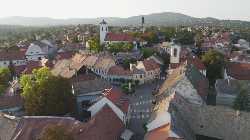
Szentendre is one of Hungary’s most picturesque and charming towns, located on the banks of the Danube River just north of Budapest. Known for its colorful Baroque architecture, narrow cobbled streets, vibrant art scene, and Mediterranean atmosphere, Szentendre is a popular destination for both Hungarian and international visitors. Its rich cultural heritage and beautiful riverside setting make it one of the most attractive towns in the country. The heart of Szentendre is its historic Old Town, where visitors can wander through winding streets lined with pastel-colored houses, galleries, cafés, and small boutiques. The town's unique character reflects its multicultural history, influenced by Hungarian, Serbian, Greek, and other Balkan communities that settled here over the centuries. The central square, Fő tér (Main Square), is surrounded by beautiful Baroque buildings and serves as the focal point of the town. Here visitors can enjoy outdoor cafés, admire historic architecture, and experience the relaxed atmosphere that makes Szentendre so popular. One of the town’s most distinctive features is its collection of historic churches. The Serbian Orthodox churches, with their elegant towers and rich interiors, reflect the important Serbian heritage of the region. The Blagovestenska Church and other religious landmarks contribute to the town’s unique skyline and cultural identity. Szentendre is often called Hungary’s artists’ town. Numerous galleries, studios, and exhibition spaces showcase the work of local and national artists. Visitors can explore artistic workshops and discover paintings, sculptures, ceramics, and handcrafted souvenirs throughout the town. A favorite attraction for families is the Szamos Marzipan Exhibition and Confectionery, where visitors can admire intricate marzipan creations and enjoy traditional Hungarian sweets. Another popular destination is the Open-Air Ethnographic Museum, known as Skanzen, one of the largest open-air museums in Central Europe. It presents traditional Hungarian village life through historic buildings, crafts, and cultural demonstrations. The Danube promenade offers beautiful views of the river and surrounding hills. Visitors can enjoy peaceful walks along the waterfront, relax at riverside cafés, or take boat trips connecting Szentendre with Budapest and other Danube towns. Nature lovers can explore the nearby Pilis and Visegrád Hills, which offer hiking trails, forests, scenic viewpoints, and opportunities for outdoor recreation. The surrounding countryside provides a pleasant contrast to the historic urban center. Throughout the year, Szentendre hosts cultural festivals, art events, concerts, and traditional celebrations that attract visitors from across Hungary and beyond. Its lively cultural calendar adds to the town’s appeal and vibrant atmosphere. With its charming old town, artistic heritage, historic churches, riverside scenery, and nearby natural beauty, Szentendre offers a unique and memorable travel experience. Whether exploring its cobbled streets, enjoying local cuisine, or admiring its artistic treasures, visitors will discover one of Hungary’s most enchanting destinations.
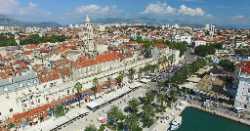
Split is the second-largest city in Croatia and one of the most fascinating destinations on the Adriatic coast. Located in central Dalmatia, the city combines more than 1,700 years of history with a vibrant Mediterranean atmosphere. Its remarkable cultural heritage, beautiful waterfront, and historic architecture attract visitors from around the world. The heart of Split is Diocletian's Palace, one of the best-preserved monuments of the Roman Empire and a UNESCO World Heritage Site. Built at the beginning of the 4th century as the retirement residence of Emperor Diocletian, the palace forms the historic core of the city. Within its ancient walls are narrow streets, lively squares, shops, restaurants, and historic buildings that continue to serve as part of everyday life. One of the most important religious landmarks in the city is the Cathedral of Saint Domnius, considered one of the oldest Catholic cathedrals in the world still in use in its original structure. Originally constructed as Diocletian's mausoleum, it was later converted into a cathedral and remains a symbol of Split. Nearby stands the Bell Tower of Saint Domnius, offering spectacular views over the city and the Adriatic Sea. Split is home to several outstanding museums. The Archaeological Museum in Split is the oldest museum in Croatia and houses an extensive collection of artifacts from prehistoric, Greek, Roman, and early Christian periods. The Split City Museum, located within the historic Papalić Palace, presents the development of the city from ancient times to the present day. Art enthusiasts can visit the Gallery of Fine Arts, which contains works by many prominent Croatian artists. Another important institution is the Croatian Maritime Museum, which explores the region's long connection with the sea. Historic landmarks are found throughout the city. Peristyle Square, the ceremonial courtyard of Diocletian's Palace, remains one of Split's most iconic gathering places. The Golden Gate, Silver Gate, Iron Gate, and Bronze Gate served as the main entrances to the ancient palace complex and continue to impress visitors today. The Temple of Jupiter, a remarkably preserved Roman structure, reflects the grandeur of the imperial era. Just west of the old town rises Marjan Hill, a protected park known for its walking trails, viewpoints, historic chapels, and pine forests. The Riva promenade, stretching along the waterfront, serves as the social heart of the city and offers magnificent views of the harbor. Today, Split successfully blends its Roman heritage, medieval traditions, and modern lifestyle. With its museums, cathedral, historic landmarks, and magnificent palace, the city offers visitors an unforgettable journey through more than seventeen centuries of European history.
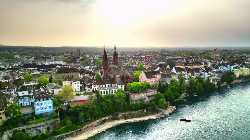
Basel is one of Switzerland’s most important cultural and economic cities, located on the Rhine River where Switzerland, France, and Germany meet. Known for its medieval old town, world-class museums, vibrant art scene, and historic landmarks, Basel is widely regarded as the country’s cultural capital. The city combines centuries of history with modern creativity and international influence. The Old Town of Basel is one of the best preserved in Europe. Its narrow cobbled streets, colorful guild houses, and lively squares create a unique historic atmosphere. One of the city’s most important landmarks is Basel Minster, a striking Gothic cathedral built from red sandstone. Its twin towers dominate the skyline, and visitors can climb them for panoramic views over the Rhine and the old town. The cathedral also contains the tomb of Erasmus of Rotterdam, an important Renaissance scholar. Basel is home to several outstanding museums. The Kunstmuseum Basel is the oldest public art collection in the world and features masterpieces from the Middle Ages to contemporary art, including works by Holbein, Picasso, and Van Gogh. The Fondation Beyeler, located just outside the city in Riehen, is one of Switzerland’s most visited art museums, showcasing modern and classical masterpieces in a beautifully designed building surrounded by nature. The Museum Tinguely presents the kinetic sculptures of Swiss artist Jean Tinguely and is famous for its playful, mechanical artworks. Another important institution is the Basel Historical Museum, which displays the city’s cultural history, medieval artifacts, and decorative arts. One of Basel’s most important historic buildings is the Rathaus Basel, or Town Hall. Located on the Marktplatz, this striking red sandstone building features richly decorated façades and a beautiful inner courtyard. It remains the seat of the cantonal government and is one of the most recognizable buildings in the city. Although Basel does not have a large royal palace or medieval castle within the city center, nearby Schloss Bottmingen is a notable moated castle located just outside Basel. This elegant 13th-century castle is surrounded by water and gardens and is one of the most picturesque historic residences in the region. Among Basel’s most famous landmarks is the Mittlere Brücke, one of the oldest Rhine crossings in Europe. Originally built in the Middle Ages, it played a key role in the city’s development and remains a symbol of Basel today. Another important landmark is the Spalentor, a well-preserved medieval city gate that once formed part of Basel’s defensive walls. Visitors also enjoy the Rhine promenade, where locals and tourists relax by the river and watch traditional ferry boats cross without engines, guided only by the current. Basel is also internationally known for Art Basel, one of the world’s most important contemporary art fairs, attracting artists, collectors, and galleries from around the globe. With its outstanding museums, Gothic cathedral, historic town hall, medieval gate, and riverside charm, Basel offers a perfect blend of history, culture, and modern creativity. It is one of Switzerland’s most dynamic and culturally rich cities, offering visitors an unforgettable experience on the Rhine.
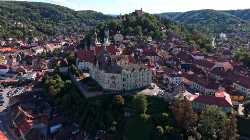
Sighișoara is one of Romania’s most beautiful and best-preserved medieval towns. Located in the historic region of Transylvania, the city is famous for its colorful houses, cobbled streets, defensive towers, and centuries-old fortifications. Its remarkably preserved historic center has earned recognition as a UNESCO World Heritage Site and attracts visitors from around the world. The heart of the city is the Sighișoara Citadel, a fortified medieval settlement that still serves as a living historic district. Built by Transylvanian Saxons during the Middle Ages, the citadel is surrounded by defensive walls and towers that once protected the town from invaders. Among its most famous landmarks is the Clock Tower, the symbol of Sighișoara. Rising above the historic center, the tower offers panoramic views of the town and surrounding countryside. One of the city's most important religious monuments is the Church on the Hill, a Gothic church dating from the 14th century. Visitors can reach it by climbing the Covered Staircase, a historic wooden passageway built to protect students and churchgoers from harsh weather. Another notable religious site is the Monastery Church, located near the Clock Tower and known for its historic architecture and valuable interior decorations. Museum enthusiasts will find several interesting attractions within the citadel. The History Museum, housed inside the Clock Tower, presents exhibits on the city's medieval past and local heritage. The Medieval Weapons Collection displays historic arms and armor used throughout the region's history. Visitors can also explore the Torture Room Museum, which presents information about medieval justice and punishment. Sighișoara is also known as the birthplace of Vlad Dracul, the father of Vlad the Impaler, the historical figure often associated with the Dracula legend. The house where Vlad Dracul is believed to have lived remains one of the town’s most visited landmarks. Walking through Sighișoara feels like stepping back in time. Historic towers such as the Tailors' Tower, Shoemakers' Tower, and Tinsmiths' Tower still stand as reminders of the powerful guilds that once shaped the town. Combined with its museums, churches, medieval architecture, and unique atmosphere, Sighișoara remains one of the most fascinating historic destinations in Eastern Europe.
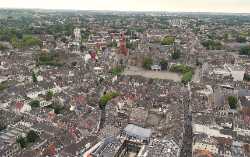
Maastricht stands as a unique gateway where the borders of the Netherlands, Belgium, and Germany meet, creating a city that feels both deeply Dutch and unmistakably European. Its story began over two thousand years ago when the Romans established a settlement called Mosa Trajectum, meaning "crossing at the Meuse." They built the first permanent bridge over the river, securing the site as a vital military and trade link. Today, visitors can still see the foundations of Roman walls and artifacts tucked away in hotel cellars and museum displays, marking Maastricht as one of the oldest continuously inhabited cities in the country. As the Roman Empire faded, the city transformed into a major religious hub. In the fourth century, Saint Servatius, the first Bishop of the Netherlands, was buried here, turning the city into a site of pilgrimage. The Basilica of Saint Servatius, which stands over his grave, is a masterpiece of Romanesque architecture and remains the oldest church in the nation. This religious influence shaped the medieval city, leading to the construction of grand squares like the Vrijthof, which remains the heart of social life today, surrounded by historic buildings and outdoor cafes. Because of its strategic location, Maastricht spent centuries as a coveted fortress. It was a site of constant conflict, besieged by Spanish and French forces, including a famous assault led by the musketeer d’Artagnan, who died at the city gates. To defend itself, the city developed a massive network of underground fortifications. These tunnels, known as the Casemates, stretch for miles beneath the streets and were used by soldiers to surprise enemies or by citizens to hide during air raids in later wars. The Helpoort, a heavy stone gate built in 1229, still stands as the oldest surviving city gate in the Netherlands, a silent witness to this turbulent military past. In modern times, Maastricht transitioned from a garrison town to a symbol of unity. In 1992, world leaders gathered here to sign the Treaty of Maastricht, which officially created the European Union and paved the way for the Euro currency. This international legacy continues today through its world-renowned university and a vibrant, multicultural population. The city is famous for its "joie de vivre," a southern Dutch lifestyle focused on fine dining, art fairs like TEFAF, and the colorful celebration of Carnival, ensuring that its ancient streets remain as lively today as they were during the time of the Romans.
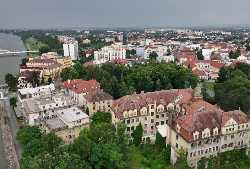
Piešťany is one of the most popular spa towns in Slovakia, located on the banks of the Váh River in the western part of the country. It is internationally known for its thermal mineral springs and healing mud treatments, which have attracted visitors for centuries. Today, Piešťany combines wellness tourism with cultural attractions, museums, parks, and elegant architecture. The heart of the town is Spa Island (Kúpeľný ostrov), a peaceful green area surrounded by the Váh River. This is where most of the spa facilities are located, including historic spa buildings, hotels, and wellness centres. The island is connected to the town by the famous Colonnade Bridge, decorated with striking sculptures symbolizing health and well-being. Walking across the bridge is one of the most iconic experiences in Piešťany. One of the most important cultural institutions is the Balneological Museum Imrich Winter. This museum presents the history of spa treatments, archaeology of the region, ethnography, and natural sciences. It is one of the most unique museums in Slovakia because it focuses on the development of healing therapies and the cultural importance of Piešťany as a spa destination. Another notable attraction is the town’s elegant spa architecture. Many of the spa buildings on Spa Island and in the town centre resemble grand palaces, reflecting the golden age of European spa tourism in the 19th and early 20th centuries. The Thermia Palace Hotel and Irma Spa House are among the most famous examples, offering luxurious interiors and historic charm. Although Piešťany does not have a medieval castle within the city, visitors can explore nearby historic sites such as Čachtice Castle, located a short distance away. This dramatic castle ruin is associated with legends of the “Bloody Lady” Elisabeth Báthory and offers panoramic views of the surrounding countryside. The town also features several cultural landmarks, including the House of Arts (Dom umenia), a modernist building that hosts concerts, exhibitions, and performances throughout the year. Another interesting site is the Military History Museum in nearby areas, which showcases aviation and military technology. Piešťany is also known for its parks and green spaces. The Municipal Park and Spa Park provide beautiful walking paths, sculptures, and peaceful areas for relaxation. These parks contribute to the town’s reputation as a place of health, rest, and natural beauty. With its world-famous spa tradition, elegant palace-like spa buildings, museums, nearby castles, and cultural venues, Piešťany offers visitors a perfect combination of relaxation and sightseeing. It remains one of the most attractive wellness destinations in Central Europe, where history, health, and beauty come together.
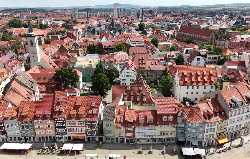
Erfurt, the capital of Thuringia, is one of Germany’s most charming and best-preserved medieval cities. Located at the crossroads of ancient European trade routes, it has been a significant cultural and commercial centre for more than 1,200 years. Today, visitors are drawn to its beautifully restored old town, impressive churches and relaxed Central-European atmosphere. The heart of Erfurt is the Domplatz, one of the largest and most picturesque squares in Germany. Towering above it are Erfurt Cathedral (Dom St. Marien) and the Severikirche, two monumental structures standing side by side on a dramatic staircase. The cathedral’s Gothic interior showcases stunning stained-glass windows and the medieval Gloriosa bell, the largest free-swinging bell of its kind in the world. A short walk leads into the maze of narrow streets and timber-framed houses that give the city its unique charm. The most iconic sight is the Krämerbrücke, a medieval bridge lined with half-timbered buildings. Still inhabited and filled with artisan shops, studios and cafés, it feels like stepping into a living historical postcard. It is one of the few bridges in Europe built entirely with houses across its full length. Erfurt is also well known for its religious heritage. In the 16th century, Martin Luther lived and studied here at the University of Erfurt and took his vows in the Augustinian Monastery. This beautifully preserved complex offers guided tours that trace Luther’s life and the spiritual history of the city. Beyond its medieval appeal, Erfurt features modern cultural highlights. The egapark, one of Germany’s largest horticultural parks, offers themed gardens, exhibitions and panoramic views from the Cyriaksburg fortress. Families enjoy the Zoopark Erfurt, one of the biggest zoological gardens in the country. With its mix of vibrant squares, peaceful riverbanks along the Gera and a lively café culture, Erfurt blends history with an easy-going lifestyle. Whether you come for its architecture, its connection to Luther, or simply its warm atmosphere, Erfurt offers a memorable journey into the heart of medieval Germany.
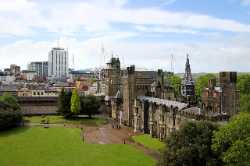
Cardiff, the vibrant capital of Wales, is a city where ancient history and modern life blend seamlessly. Once a small town, Cardiff grew rapidly during the 19th century thanks to its docks, which became a vital hub for exporting coal from the Welsh valleys. Today, it stands as a lively cultural, political, and sporting center, attracting millions of visitors each year. One of Cardiff’s most striking landmarks is Cardiff Castle, a fortress with Roman origins that was later transformed into a lavish Gothic Revival mansion. Within its walls, visitors can wander through medieval chambers, climb the Norman keep for panoramic views, and admire the eccentric interiors designed by architect William Burges. Not far away, the grand Civic Centre and National Museum Cardiff highlight the city’s cultural and educational importance. Cardiff also boasts a strong sporting reputation. The Principality Stadium, right in the city center, is home to Welsh rugby and has hosted everything from international matches to major concerts. On match days, the streets come alive with music, color, and an infectious sense of national pride. For those who enjoy the outdoors, Bute Park, one of the UK’s largest urban parks, offers a peaceful escape with riverside walks, woodlands, and gardens just steps away from the bustling city. Meanwhile, Cardiff Bay represents the city’s modern face. Once an industrial dockland, it has been transformed into a waterfront leisure and cultural district, featuring the striking Wales Millennium Centre, a landmark of Welsh performing arts. The city is also known for its shopping and dining. St David’s Shopping Centre provides a modern retail experience, while the historic Victorian arcades are filled with independent boutiques, cafés, and quirky shops that give Cardiff its unique character. Food lovers can sample Welsh specialties like bara brith and Welsh rarebit alongside an array of international cuisine. Cardiff is a gateway to wider South Wales as well. Within a short journey, visitors can reach the Brecon Beacons National Park, the Vale of Glamorgan coast, or the heritage sites of the Welsh valleys. Compact yet dynamic, Cardiff offers something for everyone—history, culture, nature, and sport—making it an unforgettable destination for any traveler exploring Wales.
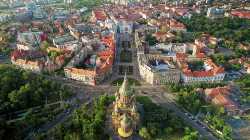
Timișoara is one of Romania’s most vibrant and multicultural cities, located in the western part of the country near the borders with Serbia and Hungary. Often called "Little Vienna" because of its elegant architecture and wide boulevards, the city has played an important role in the history of the Banat region. Timișoara is also known as the place where the Romanian Revolution of 1989 began, making it a city of great historical significance. The city's historic center is filled with beautiful squares, Baroque buildings, and important monuments. Victory Square is one of the most recognizable locations in Timișoara and is surrounded by impressive architecture. At one end stands the Metropolitan Cathedral, a magnificent Orthodox cathedral completed in 1946. Its distinctive towers and colorful tiled roof make it one of the city's most famous landmarks. Timișoara offers a rich cultural experience through its museums. The National Museum of Banat, housed in Huniade Castle, presents the history and archaeology of the region. Art enthusiasts can visit the Timișoara Art Museum, located in the Baroque Palace in Union Square, where collections of Romanian and European art are displayed. Another important institution is the Banat Village Museum, an open-air museum showcasing traditional houses, churches, and rural life from the Banat region. One of the city's most important historic buildings is Huniade Castle, the oldest surviving building in Timișoara. Originally constructed in the 14th century and later rebuilt several times, the castle remains a symbol of the city's medieval past. The elegant Baroque Palace, another architectural treasure, reflects the influence of the Habsburg Empire on the city's development. Union Square is considered one of the most beautiful public spaces in Romania. Surrounded by colorful Baroque buildings, it contains several notable landmarks, including the Holy Trinity Column and Saint George's Roman Catholic Cathedral. Nearby, Liberty Square features historic military buildings and monuments linked to the city's long and diverse history. Visitors interested in recent history often visit the Memorial of the Revolution, which commemorates the events of December 1989 that contributed to the fall of Romania's communist regime. This important landmark helps preserve the memory of a defining moment in the nation's history. With its impressive museums, historic castle, grand cathedral, elegant squares, and rich cultural heritage, Timișoara offers a fascinating blend of history, architecture, and modern urban life. Its unique character and historical importance make it one of Romania's most rewarding destinations.
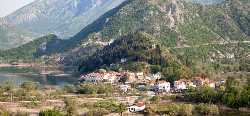
Virpazar is a picturesque lakeside town in southern Montenegro, best known as the gateway to Lake Skadar National Park. Surrounded by mountains, wetlands, and vineyards, this small settlement has long been an important trading center and strategic crossroads. Today, it attracts visitors with its rich cultural heritage, historic architecture, and outstanding natural beauty. One of the town's most prominent landmarks is Besac Fortress, a well-preserved Ottoman fortress built in the 15th century on a hill overlooking Virpazar. Carefully restored in recent years, the fortress offers magnificent panoramic views of Lake Skadar, the surrounding mountains, and the old town. It is one of the area's most visited historical sites and provides insight into the region's military past. Although Virpazar itself is a small town, several museums nearby help visitors explore the history and culture of the region. The King Nikola Museum in Bar presents exhibits dedicated to Montenegro's royal history and the Petrović-Njegoš dynasty. The Homeland Museum of Bar displays archaeological discoveries, ethnographic collections, and historical artifacts from the surrounding area. Visitors can also explore the Natural History Museum of Montenegro in Podgorica, where exhibitions explain the country's diverse wildlife, geology, and ecosystems, including those found around Lake Skadar. Virpazar is home to the Church of St. Nicholas, an important Orthodox church that serves as one of the town's principal religious landmarks. Nearby, visitors can discover numerous medieval monasteries on islands scattered across Lake Skadar, including Beška Monastery and Starčevo Monastery, both reflecting centuries of Orthodox tradition and artistic heritage. Another remarkable historic landmark is the Old Stone Bridge in Virpazar, an elegant Ottoman-era bridge that once formed part of the main trade route through the region. Combined with the charming waterfront, traditional stone houses, and bustling market square, it creates a memorable setting for exploring the town. Today, Virpazar is a favorite destination for nature lovers and history enthusiasts alike. Boat cruises across Lake Skadar reveal hidden monasteries, birdlife, and peaceful fishing villages, while local wineries introduce visitors to Montenegro's renowned wines. With its impressive fortress, nearby museums, historic churches, and spectacular natural surroundings, Virpazar offers an authentic experience that combines cultural heritage with one of the most beautiful landscapes in the Balkans.
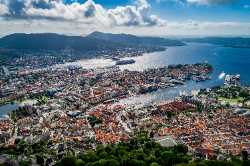
Bergen is widely regarded as one of the most beautiful and atmospheric cities in Northern Europe, serving as the cultural and historical gateway to the world-famous Norwegian fjords. Nestled along the rugged coastline of western Norway and famously surrounded by seven majestic mountains, the city offers a unique blend of ancient maritime heritage and vibrant modern life. As you walk through the heart of the city, the first thing that captures your attention is the iconic Bryggen, a row of colorful wooden merchant houses that have stood as a symbol of Bergen’s trade power since the days of the Hanseatic League. This UNESCO World Heritage site is a maze of narrow, crooked alleyways and hidden workshops where the smell of old timber and the sea still lingers, transporting visitors back to a time when Bergen was the most important commercial hub in the North. The city’s geography is deeply intertwined with its identity, as the mountains provide a dramatic backdrop to every street corner. For a breathtaking perspective of the urban landscape, most visitors take the Fløibanen funicular, which climbs steeply from the city center to the top of Mount Fløyen. From the summit, the view stretches across the red-tiled rooftops and the bustling harbor, where massive cruise ships and small fishing boats share the deep blue waters of the fjord. For those seeking even higher peaks, the Ulriken cable car offers access to the tallest of the seven mountains, providing a gateway to vast hiking trails that showcase the raw, untouched wilderness of Norway just minutes from the city's paved streets. Culturally, Bergen is a powerhouse that balances its medieval roots with a cutting-edge arts scene. The city is the birthplace of the world-renowned composer Edvard Grieg, and his former home, Troldhaugen, remains a place of musical pilgrimage. Around the central Lille Lungegårdsvann lake, the KODE museums house one of the largest collections of art and design in the Nordic region, including masterpieces by Edvard Munch. Meanwhile, the lively Fish Market at the harbor offers a taste of the sea, serving fresh catches that have been the lifeblood of the local economy for nearly a thousand years. Despite its reputation as one of the rainiest cities in Europe, the locals embrace the weather with a warmth and spirit that makes Bergen feel welcoming in any season. It is a city where history is lived on every cobblestone street and where the next great adventure into the fjords is always just a boat ride away.
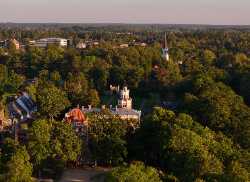
Located in the heart of Gauja National Park, Sigulda is one of Latvia’s most popular tourist destinations. Known as the “Switzerland of Latvia” because of its hills, forests, and river valleys, Sigulda attracts visitors with its natural beauty, medieval castles, outdoor activities, and cultural attractions. Situated about 50 kilometers from Riga, the town is especially famous for autumn landscapes when the forests turn bright shades of red, orange, and gold. One of the city’s main attractions is the impressive Sigulda Medieval Castle, built by the Livonian Order in the 13th century. Visitors can walk through ancient stone ruins, climb the towers, and enjoy panoramic views over the Gauja River valley. Next to the medieval ruins stands the elegant Sigulda New Castle, a manor-style residence from the 19th century that now serves as a cultural and exhibition center. Another famous historical site nearby is Turaida Castle, one of the most visited castles in Latvia. Built from red brick in 1214, the castle overlooks the beautiful Gauja valley and contains museum exhibitions about medieval history. The surrounding Turaida Museum Reserve includes historical buildings, sculptures, folk architecture, and the legendary Rose of Turaida memorial, connected with one of Latvia’s best-known romantic legends. Sigulda is also famous for adventure tourism and outdoor activities. Visitors can ride the aerial cable car across the Gauja valley, offering spectacular views of forests, cliffs, and castles. Hiking and cycling trails throughout Gauja National Park lead to caves, sandstone formations, and scenic viewpoints. One of the most popular natural attractions is Gutmanis Cave, the largest cave in the Baltic States, known for its spring water and ancient inscriptions carved into the sandstone walls. For those interested in winter sports, Sigulda is Latvia’s leading center for bobsleigh, luge, and skeleton competitions. The Sigulda Bobsleigh Track is one of the few active tracks in Europe and offers visitors the chance to experience high-speed rides with professional athletes. The town also has museums, art galleries, parks, and cozy cafés that create a welcoming atmosphere throughout the year. Cultural festivals, concerts, and outdoor events are regularly held in the castle grounds and town center. With its combination of medieval castles, museums, dramatic landscapes, and adventure activities, Sigulda offers something for every traveler. Whether exploring ancient ruins, hiking through forests, or enjoying panoramic views of the Gauja valley, visitors discover why Sigulda is considered one of Latvia’s most beautiful and exciting destinations.
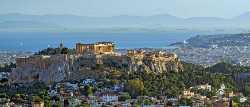
Athens, a city whose very name conjures images of ancient philosophers and iconic temples, is far more than a historical monument. It’s a vibrant, modern metropolis built upon millennia of civilization, a place where the echoes of antiquity resonate through the bustling streets of today. Consider this: Athens is one of the oldest continuously inhabited cities in the world, with evidence of settlement dating back over 5,000 years. Imagine the countless generations who have walked the same ground, their lives shaping the very stones beneath your feet. This incredible longevity imbues the city with a unique sense of timelessness, a palpable connection to the distant past that few other urban centers can claim. Intriguingly, Athens wasn't always Greece's sole capital. For a brief period in the 19th century, after the Greek War of Independence, the charming coastal town of Nafplio held the honor. It was Athens' profound historical and cultural significance that ultimately led to its reinstatement as the nation's heart, a testament to its enduring symbolic power. Another fascinating aspect of Athens lies in its surprising number of hills. While the Acropolis, meaning "high city," is the most famous, the city is also dotted with other significant elevations like Lycabettus Hill, offering panoramic vistas, and the Areopagus, the ancient court of appeal. This varied topography provides a dynamic urban landscape and numerous vantage points from which to admire the city's sprawl and the surrounding mountains. Beyond its well-known ancient sites, Athens boasts a thriving contemporary arts scene. The streets of neighborhoods like Psiri and Exarcheia are alive with street art, independent galleries, and a rebellious energy that provides a stark yet compelling contrast to the classical grandeur. This modern creative pulse demonstrates that Athens is not just a city of the past, but a living, breathing cultural hub. Furthermore, the construction of the Athens Metro system unexpectedly unearthed a wealth of archaeological treasures. During the digging process, numerous artifacts from the city's long history were discovered, and many of these finds are now displayed within the metro stations themselves, offering commuters a unique glimpse into Athens' rich past as they go about their daily lives. Finally, the very name of Athens is steeped in mythology. Legend tells of a contest between the goddess Athena and the sea god Poseidon to become the city's patron. Athena's gift of the olive tree, symbolizing peace and prosperity, was chosen over Poseidon's saltwater spring, forever linking the city to the goddess of wisdom and strategic warfare. To walk through Athens is to walk in a city named by the gods, a place where myth and history are inextricably intertwined, offering a profound sense of connection to the very foundations of Western civilization.
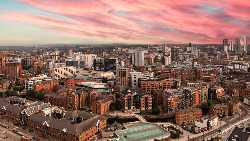
Leeds is one of those cities that grabs you and doesn’t let go. It has a palpable energy that comes from a long history of industry and a bold, forward-looking spirit. It’s a place that’s always reinventing itself, a city that wears its past on its sleeve while sprinting toward the future. You can feel it in the air—the buzz of a thriving metropolis with the soul of a friendly northern town. The city’s story is etched into its very foundations. Look up at the magnificent Victorian buildings and grand industrial warehouses, and you’ll see the legacy of its textile and manufacturing past. But what makes Leeds so special is how it has brought these old bones back to life. The beautiful Victorian arcades, once bustling with trade, now house independent boutiques, trendy cafes, and unique shops, creating a magical, covered streetscape that feels worlds away from the high street. The old industrial mills have been transformed into chic apartments, creative studios, and vibrant food halls, blending history with contemporary style. Beyond its architecture, Leeds is a city of creative pulse. From the music venues that have launched some of the UK’s biggest bands to the thriving independent food scene, there’s always something new to discover. The city’s markets, particularly Kirkgate Market, are a feast for the senses, overflowing with local produce, artisanal goods, and the genuine warmth and wit of the people who call Leeds home. This is where you experience the famous Yorkshire friendliness firsthand—a down-to-earth charm that makes every visitor feel welcome. And while Leeds is a major urban center, it is blessed with a surprising amount of green space. You can easily escape the hustle and bustle in Roundhay Park, one of the largest city parks in Europe, or take a short trip to the stunning scenery of the Yorkshire Dales National Park. The proximity to nature gives the city a refreshing balance, allowing residents and visitors alike to enjoy the best of both worlds. In essence, Leeds is a city that never stands still. It is a place of endless curiosity and constant evolution, where every street corner tells a story. Whether you’re drawn by the history, the culture, the nightlife, or simply the infectious energy of a city that knows who it is, Leeds offers an experience that is both authentic and unforgettable. It's not just a place to visit; it’s a place to feel.
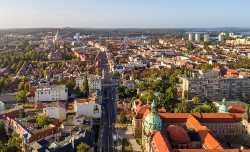
Potsdam is more than just a beautiful collection of parks and palaces; it's a profound journey through German history, where the splendor of Prussian royalty and the gravity of Cold War politics intertwine. Often nicknamed the "Prussian Versailles," this city, located just southwest of Berlin, is a sprawling cultural landscape recognized as a vast UNESCO World Heritage Site. The heart of Potsdam's fame rests in its role as the second royal residence of the Prussian Kings, most notably under Frederick the Great. It was he who commissioned the iconic Sanssouci Palace, a masterpiece of German Rococo. Meaning "without a care" in French, the palace was Frederick's intimate summer retreat, set upon sun-drenched vineyard terraces. The surrounding Sanssouci Park is a breathtaking ensemble of architecture and nature, featuring the grander, more imposing New Palace, the charming Chinese Tea House, and the Roman Baths. Beyond Sanssouci, the city’s multifaceted heritage is revealed in its distinct quarters. The charming Dutch Quarter (Holländisches Viertel), built in the 18th century to attract Dutch craftsmen, stands out with its red-brick houses, gabled facades, and cozy courtyards, giving Potsdam a unique, almost Amsterdam-like feel. Another fascinating stop is the Russian Colony Alexandrowka, a picturesque settlement of wooden houses built for Russian singers in 1826. Potsdam’s narrative leaps from royal playground to a pivotal moment in global history at the Cecilienhof Palace. This grand, English Tudor-style country house in the New Garden hosted the Potsdam Conference in 1945, where Allied leaders Truman, Churchill, and Stalin met to decide the post-World War II order. A short distance away is the infamous Glienicke Bridge, known during the Cold War as the "Bridge of Spies," the eerie location for high-profile agent exchanges between East and West. Today, Potsdam is a vibrant blend of its royal past and modern life. It’s not just a city of historical monuments but also a thriving center for science, education, and film, home to the historic Babelsberg Film Studio. To walk through Potsdam is to step through centuries—from the refined elegance of Frederick the Great's world to the dramatic tension of a divided Europe—all set within a landscape meticulously designed as an enduring work of art.
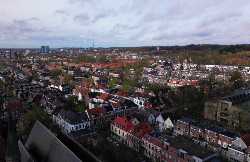
Arnhem, the capital of the province of Gelderland, is a city defined by its landscape and its remarkable resilience. Unlike the flat, canal-crossed cities of the western Netherlands, Arnhem sits on the edge of the Veluwe moraine, offering a rolling, wooded terrain that feels distinctively different from the rest of the country. Its position on the banks of the Nederrijn has made it a strategic prize for centuries, leading to a history that is both grand and deeply poignant. For many, the name Arnhem is forever linked to the events of September 1944. The John Frost Bridge remains the city’s most iconic landmark, serving as the site of one of the most intense battles of World War II. During Operation Market Garden, Allied paratroopers fought a heroic but tragic battle to secure this crossing in an effort to end the war early. Though the mission famously became a "bridge too far," the spirit of those days is preserved with great dignity at the Airborne Museum Hartenstein and through the many monuments that line the riverfront. The city was largely destroyed during the conflict, but its reconstruction has created a fascinating mix of historic restoration and bold, modern architecture. Beyond its wartime past, Arnhem is widely celebrated as the "Green City on the Rhine." It is surrounded by an incredible amount of nature, starting with Sonsbeek Park just behind the central station. This park is a masterpiece of 19th-century landscape design, featuring waterfalls, a historic white villa, and sprawling lawns that serve as the city’s outdoor living room. A short journey to the north leads to the Hoge Veluwe National Park, a vast expanse of heathland and forest where visitors can use free white bicycles to reach the Kröller-Müller Museum, which houses the world’s second-largest collection of Van Gogh paintings. Arnhem also serves as a major cultural hub for the eastern Netherlands. The Netherlands Open Air Museum brings Dutch history to life with authentic farmsteads and windmills moved here from every corner of the nation, while Royal Burgers’ Zoo is famous for its pioneering indoor ecosystems. In recent decades, the city has also reinvented itself as a center for high fashion and design. Home to the prestigious ArtEZ University of the Arts, Arnhem pulses with a creative energy visible in the trendy shops of the Fashion District. This blend of deep historical roots, vast natural spaces, and a forward-looking creative scene makes Arnhem one of the most sophisticated and multifaceted destinations in the country.
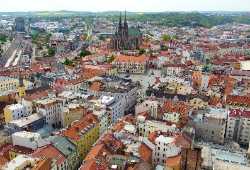
Brno is the second largest city in the Czech Republic and one of the most beautiful cities in the historical region of Moravia. Located in the south-eastern part of the country, Brno is famous for its rich history, impressive architecture, museums, castles, and lively cultural atmosphere. The city is also an important university center with thousands of students, giving Brno a modern and energetic character. One of the most visited landmarks in Brno is Špilberk Castle. Built in the 13th century by the Czech kings, the castle originally served as a royal residence and later became a powerful fortress and military prison. Today the castle houses the Brno City Museum, historical exhibitions, underground casemates, and observation points with excellent views over the city. Another symbol of Brno is the Cathedral of St. Peter and Paul located on Petrov Hill. This impressive Gothic cathedral dominates the city skyline and is one of the most photographed buildings in Brno. Visitors can explore the beautiful interior, towers, and nearby historic streets. Brno is also known for its many museums. The Moravian Museum is one of the oldest museums in the Czech Republic and offers collections focused on archaeology, natural history, science, and culture. The Technical Museum in Brno presents exhibitions about transport, engineering, aviation, and industrial technology. Art lovers can visit the Moravian Gallery, which contains important Czech and European artworks. A unique attraction is Villa Tugendhat, a UNESCO World Heritage Site. Designed by the famous architect Ludwig Mies van der Rohe, the villa is considered one of the greatest examples of modern architecture in Europe. The historic center of Brno is full of charming squares, churches, cafés, and old buildings. Freedom Square is the heart of the city and a popular meeting place surrounded by historical architecture and restaurants. Visitors can also see the Old Town Hall with its famous dragon legend and explore the underground labyrinth beneath the city center. Nature lovers can relax in Lužánky Park, the oldest public park in the Czech Republic, or visit the Brno Reservoir, a popular place for swimming, boating, and walking during summer. Brno is also famous for its theatres, music festivals, and vibrant nightlife. With its combination of castles, museums, churches, modern architecture, and cultural life, Brno offers visitors a fascinating mix of history and modern Czech culture.
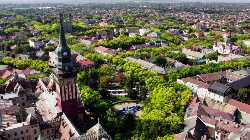
Subotica is one of Serbia's most elegant cities, located near the Hungarian border in the northern province of Vojvodina. Renowned for its remarkable Art Nouveau architecture, multicultural heritage and welcoming atmosphere, the city offers visitors a unique blend of Serbian, Hungarian and Central European influences. Wide boulevards, colourful façades and lively squares make Subotica one of the country's most distinctive urban destinations. The city's architectural masterpiece is the Subotica City Hall, an impressive Art Nouveau palace completed in 1912. Its richly decorated façade, stained-glass windows and panoramic tower are among the city's most photographed attractions. Nearby stands the magnificent Cathedral of St. Teresa of Avila, an eighteenth-century Roman Catholic cathedral with an elegant Baroque design that dominates the historic centre. Another notable landmark is the Raichle Palace, one of the finest examples of Hungarian Secession architecture, admired for its colourful ceramic decoration and elaborate details. Subotica is home to several fascinating museums. The Subotica City Museum introduces visitors to the history, archaeology, ethnography and artistic heritage of the region through a diverse collection of permanent and temporary exhibitions. Art enthusiasts should visit the Modern Art Gallery Likovni Susret, which displays works by prominent Serbian and international artists. Another interesting cultural institution is the Dr. Vinko Perčić Memorial Collection, preserving historical documents, artworks and objects connected with the city's cultural development. A short drive from the city centre lies the remarkable Palić Castle, a picturesque historic building within Palić Park. Together with the nearby Water Tower, Grand Terrace and the beautiful lakeside promenade, it forms one of the region's most popular excursion destinations. The elegant Subotica Synagogue, considered one of Europe's finest Art Nouveau synagogues, is another architectural treasure that reflects the city's rich multicultural history. Visitors can relax in Ferenc Rajhl Park or spend time at nearby Palić Lake, enjoying walking paths, gardens and recreational activities. Combining exceptional museums, magnificent palaces, historic religious buildings and outstanding examples of Art Nouveau architecture, Subotica offers a memorable cultural experience and remains one of the most beautiful cities in Serbia.
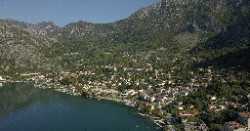
Risan is one of the oldest settlements on the Adriatic coast and a hidden historical treasure of Montenegro. Located in the peaceful northern part of the Bay of Kotor, this charming town has a history stretching back more than two thousand years. Once an important Illyrian stronghold and later a prosperous Roman settlement, Risan offers visitors an impressive collection of archaeological sites, cultural landmarks, and scenic waterfront views. The town's most famous attraction is the Roman Mosaics, discovered within the remains of a luxurious Roman villa dating from the 2nd century AD. These exceptionally well-preserved mosaics, including the rare depiction of the god Hypnos, rank among the finest examples of Roman art in the Balkans. Another important cultural institution is the Risan Local Heritage Collection, which displays archaeological finds, historical documents, and artifacts illustrating the development of the town through different civilizations. Visitors interested in the wider history of the region can also explore the Maritime Museum of Montenegro in nearby Kotor, whose collections provide valuable insight into the maritime traditions of the Bay of Kotor. Although Risan does not have a castle, the nearby Buća Palace stands as an elegant example of historic noble architecture connected with the bay's prosperous maritime families. The town is also home to the Church of St. Peter and St. Paul, one of its most recognizable religious landmarks, while numerous historic chapels and churches reflect centuries of Christian tradition. One of the most significant historical landmarks is Gradina Hill, where the remains of the ancient Illyrian fortress of Rhizon overlook the town and the bay. The site offers spectacular panoramic views while preserving traces of the settlement that once served as the capital of the Illyrian Kingdom under Queen Teuta. Walking through the archaeological remains provides a unique glimpse into the region's ancient past. Today, Risan combines historical heritage with a relaxed coastal atmosphere. Visitors can stroll along the waterfront promenade, enjoy local seafood restaurants, or use the town as a peaceful base for exploring the Bay of Kotor. Its remarkable archaeological discoveries, fascinating history, and beautiful natural surroundings make Risan an ideal destination for travelers seeking both culture and tranquility in one of Montenegro's most picturesque settings.
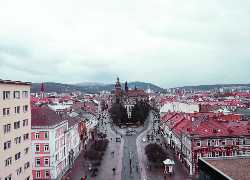
Košice is the second-largest city in Slovakia and one of the country's most beautiful and historically significant destinations. Located in eastern Slovakia, the city boasts a rich heritage, impressive architecture, museums, palaces, and vibrant cultural life. Its well-preserved historic centre makes Košice a popular destination for visitors from across Europe. The heart of the city is Hlavná Street, one of the largest historic pedestrian zones in Slovakia. Lined with elegant buildings, cafés, fountains, and monuments, it forms the centre of city life. Dominating the square is St. Elisabeth Cathedral, the largest church in Slovakia and a masterpiece of Gothic architecture. Visitors can climb its tower for panoramic views of the city. Košice is home to several fascinating museums. The East Slovak Museum is one of the oldest museums in Slovakia and houses extensive collections of archaeology, history, art, and the famous Košice Gold Treasure. Another important institution is the Slovak Technical Museum, which presents exhibitions on science, technology, transport, and industry. Art enthusiasts can also visit the East Slovak Gallery, showcasing works by Slovak and international artists. One of the city's most notable historical buildings is the Mikluš Prison, a former medieval prison complex that now serves as a museum. Nearby, visitors can explore the Executioner's Bastion, one of the surviving parts of the city's historic fortifications. Although Košice does not have a large medieval castle within the city centre, several castle ruins and fortresses can be found nearby. The city itself is famous for its magnificent palaces and aristocratic residences. The Jakab Palace is among the most beautiful buildings in Košice. Built in a Neo-Gothic style at the end of the 19th century, it resembles a small fairy-tale castle and is one of the city's most photographed landmarks. Another important attraction is the State Theatre, an elegant Neo-Baroque building located in the centre of the historic district. Its richly decorated interior hosts opera, ballet, and theatrical performances throughout the year. Visitors can also enjoy the Singing Fountain and the Bell Chime, popular attractions located between the cathedral and theatre. For relaxation, City Park offers green spaces, walking paths, and recreational facilities close to the historic centre. Košice was named the European Capital of Culture in 2013, reflecting its importance as a centre of art, music, and cultural events. Today, the city successfully combines medieval heritage with modern creativity and vibrant urban life. With its museums, historic palaces, Gothic cathedral, theatres, and charming old town, Košice offers one of the richest cultural experiences in Slovakia. It is an ideal destination for travellers interested in history, architecture, and Central European culture.
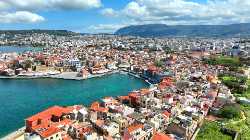
Chania, on the northwestern coast of Crete, is one of Greece's most captivating destinations, where Venetian, Ottoman and Greek influences blend into a city rich in history and culture. Its picturesque Old Town, narrow stone streets and lively harbor create an unforgettable atmosphere, while centuries of architectural heritage tell the story of the civilizations that shaped the island. The city's cultural wealth is reflected in its excellent museums. The Archaeological Museum of Chania presents remarkable artifacts from the Minoan, Hellenistic and Roman periods, offering insight into thousands of years of Cretan history. The Maritime Museum of Crete explores the island's strong connection with the sea through ship models, naval relics and historical exhibits. Art enthusiasts can visit the Municipal Art Gallery of Chania, which hosts exhibitions featuring modern Greek artists alongside works inspired by Crete's traditions and landscapes. One of Chania's most recognizable landmarks is the Firkas Fortress, a Venetian stronghold guarding the entrance to the old harbor. Built during the 16th century, it once protected the city from pirate attacks and invading fleets. Today, visitors can walk along its walls and enjoy sweeping views of the Venetian Harbor and the lighthouse. Religious architecture also plays an important role in Chania's identity. The Cathedral of the Presentation of the Virgin Mary, located in the heart of the Old Town, is the city's principal Orthodox cathedral. Its elegant interior, impressive icons and peaceful surroundings make it one of Chania's most significant places of worship. Among the city's historic landmarks, the Venetian Harbor remains the symbol of Chania. Lined with colorful waterfront buildings, traditional tavernas and historic warehouses, it is one of the best-preserved Venetian ports in the Mediterranean. Nearby stands the iconic Chania Lighthouse, originally constructed by the Venetians and later rebuilt during the Egyptian administration. Visitors can also explore the restored Neoria, the impressive Venetian Arsenals where warships were once built and repaired, as well as the atmospheric district of Splantzia with its historic churches and Ottoman monuments. Combining fascinating museums, remarkable fortifications, beautiful religious buildings and a vibrant waterfront, Chania offers an authentic journey through more than four thousand years of Cretan history. Whether exploring ancient artifacts, admiring Venetian architecture or enjoying the charm of its historic streets, visitors discover a city where every corner reveals another chapter of Greece's remarkable cultural heritage.
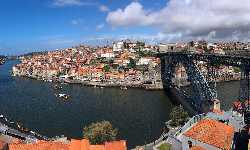
Porto, Portugal’s second-largest city, is a place of deep history, strong character, and dramatic scenery. Set along the steep banks of the Douro River in northern Portugal, Porto has played a crucial role in the country’s development for centuries, from Roman times through the Age of Discoveries and into the modern era. The historic center of Porto, known as Ribeira, is a UNESCO World Heritage Site famous for its narrow streets, colorful houses, and riverfront atmosphere. Medieval walls, Baroque churches, and tiled façades reflect the layers of history that shaped the city. One of Porto’s most iconic landmarks is the Dom Luís I Bridge, a 19th-century iron structure designed by a student of Gustave Eiffel, linking Porto with Vila Nova de Gaia across the river. Porto is inseparable from port wine, the fortified wine that carries the city’s name. For centuries, barrels of wine were transported down the Douro from inland vineyards to the cellars of Vila Nova de Gaia, where they were aged and shipped worldwide. Today, these wine lodges are open to visitors, offering tastings and insights into a tradition that remains central to the region’s identity. Culturally, Porto balances tradition with creativity. Landmarks such as São Bento Railway Station, famous for its blue-and-white azulejo tile panels, and the ornate Clerigos Tower showcase the city’s artistic heritage. At the same time, contemporary galleries, renovated industrial spaces, and a lively student population give Porto a youthful energy. Despite its growing popularity, Porto retains an authentic, working-city feel. Its residents are known for their resilience and straightforward nature, qualities shaped by centuries of trade, labor, and connection to the Atlantic. With its historic charm, river landscapes, and strong cultural roots, Porto offers a powerful and memorable experience of Portugal’s past and present.
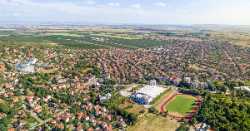
Vršac is one of the most attractive historic towns in the Banat region of northeastern Serbia, located near the Romanian border and surrounded by the vineyards of the Vršac Mountains. With a history stretching back to Roman times, the town is renowned for its medieval heritage, elegant architecture, wine tradition and diverse cultural influences shaped by Serbian, Hungarian, German and Romanian communities. Dominating the landscape above the town is the Vršac Castle, a well-preserved medieval fortress built in the 15th century. Standing on a hill overlooking the surrounding plains, the castle offers spectacular panoramic views and remains the city's most recognizable landmark. In the historic center, visitors can admire the magnificent Cathedral of St. Nicholas, one of the largest Serbian Orthodox churches in Banat, noted for its impressive iconostasis and elegant architecture. Another important religious monument is the Roman Catholic Cathedral of St. Gerard, whose striking twin towers form a distinctive feature of the town skyline. Vršac is home to several fascinating museums. The City Museum Vršac preserves archaeological finds, historical documents, ethnographic collections and fine art illustrating the development of the region from prehistoric times to the present day. The Paja Jovanović Memorial Museum celebrates the life and work of Serbia's renowned realist painter, displaying original paintings, personal belongings and documents connected with the artist. Visitors interested in local heritage can also explore the Pharmacy on the Stairs Museum, one of Serbia's oldest preserved pharmacies, where historic medical instruments, furniture and pharmaceutical equipment provide an insight into healthcare during the 18th and 19th centuries. One of the city's best-known landmarks is the Bishop's Palace, the historic residence of the Serbian Orthodox Diocese of Banat. Its elegant architecture and beautifully maintained grounds make it an important symbol of Vršac's religious and cultural heritage. The nearby Freedom Square, lined with historic buildings, cafés and monuments, serves as the heart of the town and hosts many festivals and public events throughout the year. Today, Vršac combines centuries of history with a lively cultural scene, excellent wineries and beautiful natural surroundings. Whether exploring the medieval Vršac Castle, visiting the City Museum Vršac, the Paja Jovanović Memorial Museum and the Pharmacy on the Stairs Museum, admiring the Cathedral of St. Nicholas, the Cathedral of St. Gerard and the Bishop's Palace, or strolling through Freedom Square, visitors discover one of Serbia's most charming and historically rich destinations.
Gjilan, located in eastern Kosovo near the border with Serbia and North Macedonia, is one of the country's most important regional centres. Known for its lively atmosphere, traditional markets and surrounding countryside, the city combines Ottoman heritage with modern urban development. Gjilan serves as a cultural hub for the Anamorava region and offers visitors a mix of historical landmarks, religious architecture and local traditions. A good starting point for exploring the city is the Gjilan City Museum, which presents archaeological finds, ethnographic objects and historical documents related to the development of the region. Another interesting institution is the Museum of the Anamorava Region, focusing on local customs, traditional clothing and rural life in eastern Kosovo. Visitors interested in more recent history can also explore the Memorial Museum of the Kosovo Liberation War in Gjilan, which documents the events that shaped the area during the late 20th century. One of the most notable historic structures connected with the city is the Gjilan Clock Tower, a landmark dating from the Ottoman period that remains an important symbol of the old town. Although Gjilan does not have a large medieval castle within the city centre, visitors can make a short excursion to the nearby Pogragja Fortress, a hilltop defensive site overlooking the surrounding valley and representing the medieval heritage of the region. Religious architecture is another highlight of Gjilan. The Cathedral of St. Nicholas is an important Serbian Orthodox church known for its traditional design and historical significance. The city also features the Church of St. George, while the Sultan Murad Mosque reflects the long Ottoman influence on local culture and architecture. Among the most recognizable landmarks is the central pedestrian area around Agim Ramadani Square, where cafés, shops and public events create a vibrant atmosphere throughout the year. The nearby Mirusha River promenade offers pleasant walking routes, and the surrounding Karadak Mountains provide opportunities for nature excursions and panoramic views of the region. Gjilan's appeal lies in its combination of museums, historic religious buildings, Ottoman-era landmarks and nearby medieval fortifications. While it may not be as famous as some larger Balkan cities, it offers visitors an authentic glimpse into the cultural diversity and historical layers that characterize eastern Kosovo.
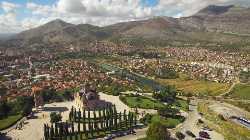
Trebinje is the southernmost city in Bosnia and Herzegovina, beautifully located on the banks of the Trebišnjica River and surrounded by vineyards, mountains, and Mediterranean landscapes. With its sunny climate, charming Old Town, and centuries of history, Trebinje is considered one of the country's most attractive destinations for visitors seeking culture, architecture, and natural beauty. The city's rich heritage is preserved in several fascinating museums. The Museum of Herzegovina is the most important, featuring archaeological artifacts, ethnographic collections, historical documents, and exhibitions that trace the development of eastern Herzegovina from prehistoric times to the modern era. Art lovers can visit the Jovan Dučić Museum, dedicated to the famous Serbian poet and diplomat who was born in Trebinje. The museum displays manuscripts, personal belongings, books, and works of art connected with his life. Another interesting attraction is the Gallery of the Academy of Fine Arts Trebinje, which hosts exhibitions by established and emerging artists while promoting the region's contemporary cultural scene. Dominating the historic center is the Old Town of Kastel, a well-preserved fortified quarter built during the Ottoman period. Surrounded by sturdy stone walls, narrow streets, and lively squares, it remains one of Trebinje's most recognizable landmarks and is filled with cafés, restaurants, and traditional stone buildings. Nearby stands the Cathedral of the Holy Transfiguration of the Lord, an elegant Serbian Orthodox cathedral that serves as one of the city's principal religious landmarks. A short drive above the city leads to Hercegovačka Gračanica, a magnificent hilltop monastery and church inspired by the famous Gračanica Monastery in Kosovo. Besides its beautiful frescoes and architecture, it offers spectacular panoramic views over Trebinje and the surrounding countryside. Another notable landmark is Arslanagić Bridge, a remarkable 16th-century Ottoman stone bridge that was carefully relocated and reconstructed after the creation of a nearby reservoir, preserving one of Herzegovina's finest examples of historic bridge engineering. The riverside promenade, shaded by centuries-old plane trees, creates a relaxed atmosphere perfect for exploring the city's cafés and historic squares. Visitors can also enjoy nearby wineries, monasteries, and excursions into the surrounding Herzegovina region. Combining fascinating museums, historic fortifications, impressive churches, Ottoman landmarks, and beautiful natural scenery, Trebinje offers an unforgettable introduction to the cultural and historical treasures of southern Bosnia and Herzegovina.
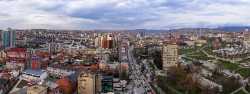
Pristina, the dynamic capital of Kosovo, stands as a testament to resilience and a youthful energy that belies its long and often turbulent history. It wasn't always the undisputed heart of the region; for centuries, other settlements held strategic importance within the historical lands of Dardania, a detail highlighting the shifting power dynamics of the Balkans. Yet, Pristina's central location and its eventual role as the administrative and cultural hub solidified its modern prominence. Consider this: Pristina is home to the Newborn monument, a striking typographic sculpture unveiled on the day Kosovo declared its independence in 2008. Initially painted bright yellow, it is repainted annually with themes reflecting the country's progress and aspirations, serving as a powerful and ever-evolving symbol of Kosovo's newfound sovereignty and its forward-looking spirit. This public artwork has quickly become an iconic landmark of the city. Intriguingly, Pristina boasts a vibrant and thriving cafe culture, with countless coffee shops lining its streets, often buzzing with young people and lively conversations. This deep-seated tradition reflects a strong social fabric and a central role for coffee houses as meeting places, discussion forums, and integral parts of daily life, reminiscent of other Balkan and Mediterranean cultures. Another fascinating aspect of Pristina lies in its surprisingly diverse architectural landscape, a visual representation of its layered history. Ottoman-era mosques and traditional houses stand alongside more modern structures, including the controversial National Library of Kosovo, a Brutalist design that has sparked both admiration and criticism for its unique and imposing form. This architectural mix offers a tangible glimpse into the various periods that have shaped the city's identity. Beyond its modern monuments and social scene, Pristina holds a significant historical connection to Mother Teresa. Born Anjezë Gonxhe Bojaxhiu in Skopje (now the capital of North Macedonia), her family had roots in Kosovo, and she spent a period of her early life in the region. Pristina Airport is named in her honor, a testament to the deep respect and pride Kosovo holds for this Nobel Peace Prize laureate. Furthermore, Pristina is home to the Ethnographic Museum, housed in a beautifully preserved 18th-century Ottoman-era complex. This museum offers a fascinating insight into the traditional life, customs, and crafts of Kosovo's various ethnic communities, providing a valuable window into the region's rich cultural heritage and its diverse influences. Finally, for those with an interest in contemporary art, Pristina has a burgeoning art scene, with numerous galleries and independent cultural spaces showcasing the work of young Kosovan artists. Despite the challenges the country has faced, a vibrant creative energy is palpable, reflecting a desire for expression and a dynamic engagement with the modern world. To explore Pristina is to encounter a city where a symbol of new beginnings is repainted annually, a strong cafe culture fuels social life, diverse architectural styles tell tales of the past, and the legacy of a global humanitarian is proudly embraced, all contributing to its unique and resilient character.
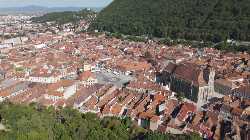
Brașov is one of Romania’s most beautiful historic cities, located in the heart of Transylvania and surrounded by the Carpathian Mountains. Founded by Saxon settlers in the 13th century, the city is known for its medieval architecture, vibrant squares, and impressive landmarks that attract visitors from around the world. The heart of Brașov is Council Square, a lively historic center lined with colorful buildings, cafés, and restaurants. Overlooking the square is the Old Town Hall, which today houses the Brașov History Museum. Another popular attraction is the First Romanian School Museum, located in the historic Șcheii Brașovului district, where visitors can learn about the origins of Romanian-language education. Art lovers can also visit the Brașov Art Museum, which displays works by prominent Romanian artists. One of the city's most famous landmarks is the Black Church, the largest Gothic church in Romania. Built between the 14th and 15th centuries, it is renowned for its impressive architecture, valuable collection of Anatolian carpets, and historic pipe organ. Nearby, visitors can explore Catherine’s Gate, the only surviving original city gate from Brașov’s medieval fortifications. Although not located directly in the city center, the magnificent Bran Castle is only a short drive from Brașov and is one of the most visited attractions in Romania. Often associated with the Dracula legend, the castle offers a fascinating glimpse into the region’s history and medieval architecture. Brașov is also famous for its well-preserved defensive structures. The White Tower and Black Tower stand on the slopes above the old town, offering panoramic views of the city and surrounding mountains. The Weaver’s Bastion, part of the former city walls, is another reminder of Brașov’s medieval past. Nature enthusiasts can take a cable car or hike up Mount Tâmpa, which rises above the city and provides spectacular views of the historic center. Combining rich history, remarkable architecture, fascinating museums, and beautiful mountain scenery, Brașov remains one of Romania’s most rewarding destinations for travelers seeking culture and adventure.
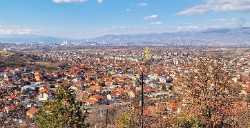
Strumica is a vibrant city in southeastern North Macedonia, surrounded by fertile valleys and mountains that have supported settlements since ancient times. Throughout its long history, the city has been influenced by the Romans, Byzantines, Bulgarians, Serbians and Ottomans, creating a rich cultural heritage reflected in its historic landmarks, museums and religious monuments. Today, Strumica is well known for its lively carnival, welcoming atmosphere and excellent access to archaeological and natural attractions. The city's principal museum is the Institute for Protection of Monuments of Culture and Museum – Strumica, which houses archaeological, historical and ethnographic collections illustrating the development of the region from prehistoric times to the modern era. Visitors interested in ancient history can also explore the archaeological exhibitions at the archaeological site of Tsar's Towers, where artifacts uncovered during excavations help explain the importance of this fortified settlement. Another notable cultural venue is the Strumica Art Gallery, which hosts exhibitions by Macedonian artists and presents a varied programme of contemporary and traditional art throughout the year. One of Strumica's most recognizable landmarks is Tsar's Towers, a medieval fortress built on a hill overlooking the city. The remains of defensive walls and towers provide magnificent views across the Strumica Valley and recall the settlement's strategic importance during the Byzantine and medieval periods. Walking trails leading to the fortress make it one of the city's most popular historic attractions. Among Strumica's religious monuments, the Cathedral of the Dormition of the Virgin Mary is one of the city's most important Orthodox churches. Its elegant architecture, richly decorated interior and significant role in local religious life make it a landmark worth visiting. Just outside the city lies the Monastery of Veljusa, officially dedicated to the Holy Mother of God Eleusa, an outstanding 11th-century Byzantine monastery renowned for its remarkably preserved architecture and historic frescoes. The nearby Monastery of Vodoča, dedicated to Saints Leontius and Maurice, is another important medieval religious site with archaeological remains dating back many centuries. Other historic landmarks include the ancient Roman Baths of Bansko, located a short drive from Strumica, where visitors can see the remains of a Roman thermal complex. The city centre also features pleasant pedestrian streets, traditional squares and monuments celebrating its long cultural history. Combining fascinating museums, the impressive Tsar's Towers fortress, beautiful cathedrals and monasteries, and remarkable archaeological sites, Strumica offers visitors an engaging introduction to the diverse history of southeastern North Macedonia while serving as an excellent base for exploring the surrounding region.
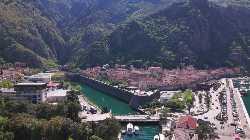
Tivat is a modern coastal town situated in the Bay of Kotor in Montenegro, combining beautiful Adriatic scenery with a rich cultural heritage. Although often known for its luxury marina and waterfront promenade, Tivat also preserves traces of its medieval and maritime past. Surrounded by mountains and crystal-clear waters, the town serves as an excellent base for exploring the natural beauty and historic settlements of Boka Bay. One of Tivat's most important historical landmarks is the Renaissance Summer House Buća, also known as the Buća-Luković Palace. Built by noble families from Kotor, this elegant stone complex has been carefully restored and today functions as a cultural centre hosting exhibitions, concerts and artistic events. The palace remains one of the finest examples of Renaissance architecture in the region and is open to visitors throughout the year. Tivat is home to several museums that introduce visitors to the area's history and maritime traditions. The Maritime Heritage Collection preserves naval artefacts, historic photographs, ship models and equipment from the former Yugoslav Navy, offering insight into the region's long connection with the sea. The Buća-Luković Museum presents historical exhibitions inside the palace complex, while the Museum and Gallery Tivat showcases local history, archaeology, traditional culture and rotating art exhibitions that highlight the development of the municipality through the centuries. Religious architecture also forms an important part of the town's heritage. The Church of Saint Sava is one of Tivat's best-known churches, while the nearby Church of Saint Anthony reflects the town's Catholic traditions. Just outside the town centre, visitors can explore the Island of Flowers with the Monastery of Archangel Michael, an important Orthodox spiritual site surrounded by peaceful gardens and coastal scenery. Modern attractions blend naturally with Tivat's historic character. Porto Montenegro has transformed the former naval base into an elegant marina lined with restaurants, boutiques and waterfront promenades while still preserving elements of the site's maritime history. Nearby Gornja Lastva, a traditional stone village on the slopes above Tivat, offers panoramic views across the Bay of Kotor and provides a glimpse into the area's rural heritage. With its museums, historic palace, churches, coastal landmarks and beautiful bay setting, Tivat offers visitors an appealing mix of history, culture and contemporary Mediterranean lifestyle, making it one of Montenegro's most attractive destinations.
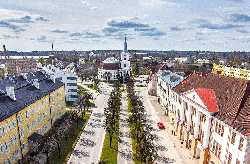
Situated in southern Estonia on the border with Latvia, Valga is a unique town known for its international atmosphere, rich history, and cultural heritage. Together with the neighboring Latvian town of Valka, Valga forms a rare cross-border twin city where visitors can easily walk between two countries. This special location has shaped the town’s identity for centuries and makes it an interesting destination for travelers exploring the Baltic region. Valga has long been an important transport and trade center because of its railway connections and border position. The town developed rapidly during the 19th century, and many historical buildings from that period can still be seen today. Walking through the center, visitors will find elegant old wooden houses, churches, and public squares that reflect the town’s multicultural past. One of the most important attractions is the Valga Museum, which introduces the history of the region through archaeological exhibits, historical photographs, military collections, and displays about local traditions. The museum gives visitors a good overview of life in southern Estonia and the importance of the border area throughout history. Railway enthusiasts may enjoy visiting the historic Valga railway station area, which played a major role during the Russian Empire and later in independent Estonia. The station remains one of the country’s most important railway junctions and symbolizes the city’s connection between Estonia and Latvia. Although Valga does not have a large medieval castle today, the region contains historical manor estates and old defensive sites connected with the Livonian era. Nearby travelers can explore several beautiful countryside manors surrounded by parks and forests. The town itself is more famous for its border culture and historical architecture than for castles or fortresses. A major religious landmark is St. John’s Church, a striking church known for its tall tower and Neo-Gothic architecture. Another interesting building is the Roman Catholic Church of the Holy Spirit, reflecting the diverse cultural influences that shaped the town over centuries. For outdoor activities, visitors can relax in the town parks and along the Pedeli River recreation area, which offers walking and cycling paths. The cross-border pedestrian routes between Valga and Valka are especially popular because tourists can experience two countries in one trip without border controls. Valga is also known for cultural festivals, local markets, and sporting events that bring together Estonians and Latvians. Its peaceful atmosphere, historical buildings, museums, and international character make it a fascinating destination for visitors interested in Baltic history and border culture. While smaller than Estonia’s major tourist cities, Valga offers a unique combination of history, culture, and cross-border charm that cannot be found anywhere else in the country.
Braga is one of Portugal’s oldest and most fascinating cities, often referred to as the “Rome of Portugal” because of its deep religious heritage and remarkable concentration of historic churches and sanctuaries. Founded over 2,000 years ago by the Romans as Bracara Augusta, Braga has continuously evolved while preserving its strong spiritual, cultural, and architectural identity. At the heart of the city lies a beautifully preserved historic center where narrow streets, elegant squares, and Baroque façades create an inviting atmosphere. The Sé de Braga (Braga Cathedral), begun in the 11th century, stands as the oldest cathedral in Portugal and remains a powerful symbol of the city’s religious importance. Nearby, charming plazas such as Largo do Paço and Avenida Central offer cafés, shops, and a lively local ambiance. One of Braga’s most iconic landmarks is the hilltop sanctuary of Bom Jesus do Monte, famous for its monumental Baroque staircase adorned with chapels, statues, and fountains representing the Stations of the Cross. Visitors can climb the steps or ride the historic funicular, enjoying breathtaking views over the city. Another major pilgrimage site is Sanctuary of Our Lady of Sameiro, a peaceful neoclassical basilica offering panoramic scenery and quiet reflection. Braga is also a youthful and dynamic city, thanks to its large student population and vibrant cultural scene. Museums, theaters, and contemporary art spaces complement the historic monuments, while festivals and religious celebrations—especially during Holy Week—fill the streets with color and tradition. Food lovers will appreciate Braga’s rich Minho cuisine, featuring hearty dishes such as rojões (pork), bacalhau (salt cod), and regional pastries. Combined with friendly locals and a relaxed pace of life, the city offers an authentic northern Portuguese experience. Blending ancient roots with modern energy, Braga is a destination that rewards visitors with history, spirituality, culture, and warm hospitality—making it an essential stop on any journey through Portugal.
Biržai is a charming town in northern Lithuania near the border with Latvia, famous for its historic castle, beautiful lakes and unique natural landscapes. The town has a long history connected with the powerful Radziwiłł noble family and was once an important defensive centre of the Grand Duchy of Lithuania. Today Biržai is known for its peaceful atmosphere, cultural heritage and interesting geological features. The main landmark of the town is the impressive Biržai Castle, a restored bastion-style fortress originally built in the 16th century by the Radziwiłł family. The castle played an important military role during wars between Lithuania, Sweden and Russia. Today the castle complex houses the Biržai Regional Museum “Sėla”, where visitors can explore exhibitions about local history, archaeology, traditional culture and the famous Biržai brewing traditions. The castle is surrounded by moats, defensive walls and scenic parkland, making it one of the most beautiful historical sites in northern Lithuania. Biržai is also famous for Lake Širvėna, the oldest artificial lake in Lithuania. A long pedestrian bridge crossing the lake offers wonderful views and is one of the favourite walking spots for both locals and tourists. Nearby parks and green areas create a calm and relaxing atmosphere. Nature lovers are attracted by the unique geological phenomena around Biržai. The region is known for its sinkholes formed by underground gypsum erosion. One of the most famous is the Cow Cave, a large natural sinkhole surrounded by local legends and stories. The surrounding Biržai Regional Park protects forests, lakes and karst landscapes unique in Lithuania. The town also has several historical churches and cultural sites. Church of St. John the Baptist is an important religious landmark with traditional architecture and local historical significance. Visitors can also discover local cafes, small museums and traditional Lithuanian cuisine. Biržai is well known for its long brewing traditions, and local beer is an important part of regional culture. Small traditional breweries and local restaurants give visitors a chance to experience authentic northern Lithuanian hospitality. Today Biržai combines history, nature and culture in a unique way. With its impressive castle, museum, lakes and unusual karst landscapes, the town offers visitors one of the most distinctive travel experiences in Lithuania.
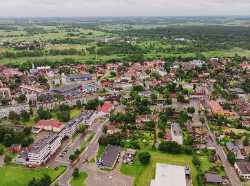
Located in western Latvia in the historical region of Courland, Tukums is a charming small city known for its historic old town, gardens, museums, and scenic surroundings. Situated about 65 kilometers from Riga and close to the Gulf of Riga coast, Tukums serves as an important cultural and tourism center of the region. The city combines medieval history, traditional Latvian architecture, and peaceful natural landscapes, making it a pleasant destination for visitors exploring western Latvia. Tukums first developed during the Middle Ages as a settlement near a Livonian Order castle. Although the original medieval fortress no longer survives completely, the remains of the Tukums Castle Tower still reflect the city’s early history. The restored tower is one of the town’s most recognizable landmarks and offers visitors panoramic views over the rooftops and surrounding countryside. One of the main cultural attractions is the Tukums Museum, which consists of several branches across the city and region. The museum presents exhibitions about local history, traditional life, art, and ethnography. Visitors can learn about the development of Tukums from medieval times to the modern period while exploring historical objects, photographs, and cultural collections. Art lovers often visit the Tukums Art Museum, which features Latvian paintings, exhibitions, and works connected with the cultural heritage of Courland. The city is known for supporting local artists and preserving traditional Latvian crafts. The historic center of Tukums is filled with cobbled streets, colorful houses, cafés, and small public squares. Walking through the old town allows visitors to enjoy the relaxed atmosphere and admire architecture from different historical periods. One important religious landmark is Tukums Lutheran Church, a historic church with a tall tower visible from many parts of the city. Tukums is also famous for its beautiful gardens and surrounding nature. The city is often called the “town of roses” because of its flower displays and green spaces. Nearby attractions include forests, lakes, and manor estates that are popular for day trips. Visitors can easily reach the Baltic Sea coast and seaside resorts from Tukums, making it a convenient base for exploring the region. One of the most visited attractions near the city is Cinevilla Studio, an open-air movie town where many Latvian and international films have been produced. The site allows visitors to walk through recreated historical streets and film sets, creating a unique tourist experience. Tukums also hosts festivals, concerts, and seasonal events throughout the year, especially during summer when parks and squares become lively gathering places. The combination of museums, castle history, gardens, and nearby natural attractions makes the city an enjoyable destination for travelers seeking a quieter and more traditional side of Latvia. With its historical charm, cultural attractions, and relaxing atmosphere, Tukums offers visitors an authentic experience of Latvian small-town life and heritage.