Roskilde
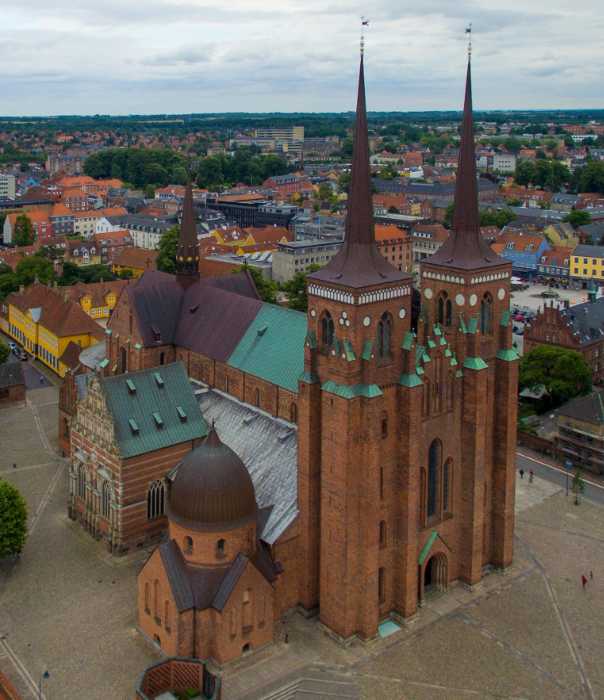
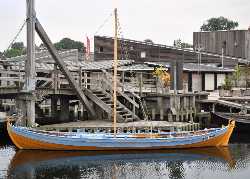
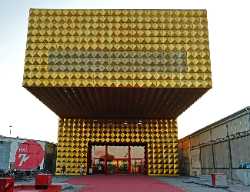
Roskilde is a city that carries the weight of a millennium with an effortless grace, serving as a living bridge between the brutal age of the Vikings and the electric energy of modern rock and roll. To walk through its center is to move through the layers of the Danish soul, where the silence of royal tombs meets the crashing waves of the fjord and the distant echoes of the world’s most famous music festival. The city is dominated by the twin brick spires of the Roskilde Cathedral, a structure that fundamentally changed the architectural landscape of Northern Europe. As the first Gothic cathedral in Scandinavia to be built of brick, it stands as a UNESCO World Heritage site of staggering importance. Yet, its beauty is not merely in its red-hued walls, but in its role as the final resting place of the Danish monarchy. Since the 15th century, nearly every Danish king and queen has been interred here. Within its quiet chapels, grand marble sarcophagi tell the stories of a kingdom that once stretched across the North Sea. It is a place of deep, heavy history, where the lineage of the oldest monarchy in the world is etched into stone and shadow. Down the hill, where the city meets the water, the atmosphere shifts from the divine to the maritime. The Viking Ship Museum serves as a sanctuary for five Skuldelev ships that were deliberately sunk over a thousand years ago to protect the city from invaders. Recovered from the mud of the fjord in 1962, these vessels are masterworks of ancient engineering. The museum does not simply display these ghosts of the past; it breathes life into them. In the adjacent shipyard, craftsmen use traditional axes and hand-tools to recreate the longships, allowing visitors to smell the tar and woodsmoke that once defined the Viking age. Watching these reconstructions sail out onto the fjord is a reminder that in Roskilde, history is a craft that is still practiced daily. However, Roskilde is far from a stagnant museum piece. Since 1971, the city has been the host of the Roskilde Festival, an event that transforms the quiet outskirts into a temporary metropolis of nearly 130,000 people. This "Orange Feeling" of community and music has become a central pillar of the city's modern identity. This rebellious, creative spirit is permanently anchored in the Musicon district, a former industrial site that now houses Ragnarock, a museum dedicated to pop, rock, and youth culture.
What to see in Roskilde
 Abbey
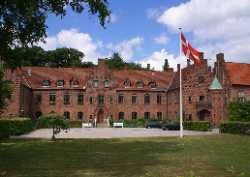
Roskilde Cathedral
Abbey
Roskilde Cathedral
 Castle
Det Kongelige Palæ i Roskilde
Castle
Det Kongelige Palæ i Roskilde
 Castle
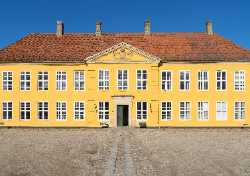
St Jørgensbjerg Church
Castle
St Jørgensbjerg Church
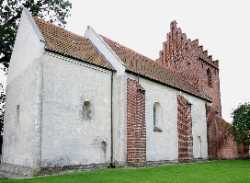 Church
Vor Frue Kirke
Church
Vor Frue Kirke
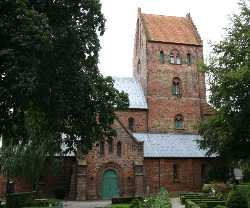 Church
Sankt Ibs Kirke
Church
Sankt Ibs Kirke
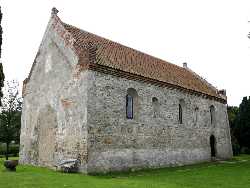 Church
Former City Hall of Roskilde
Church
Former City Hall of Roskilde
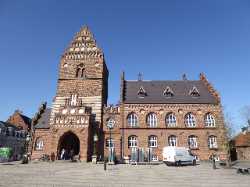 Historical Landmark
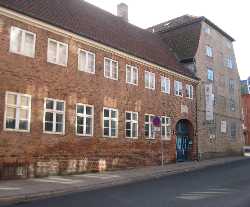
Roskilde Museum
Historical Landmark
Roskilde Museum
 Museum
Viking Ship Museum
Museum
Viking Ship Museum
 Museum
Ragnarock
Museum
Ragnarock
 Museum
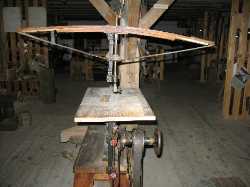
Roskilde Museum of Tools
Museum
Roskilde Museum of Tools
 Museum