Sintra
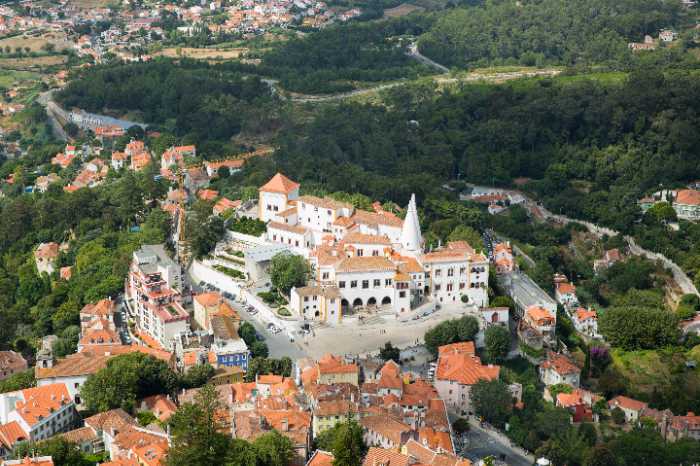
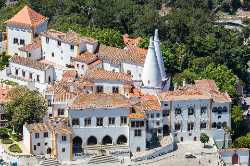
Sintra is one of Portugal’s most enchanting cities, celebrated for its romantic landscapes, fairy-tale architecture, and deep historical roots. Located in the hills of the Serra de Sintra, just a short distance from Lisbon, the town has long attracted kings, artists, and writers drawn by its mild climate, lush vegetation, and mysterious atmosphere. At the heart of Sintra lies its historic center, a maze of narrow streets, traditional houses, and small squares that preserve the feeling of a 19th-century resort town. Sintra rose to prominence as a royal retreat, and its cultural landscape reflects centuries of aristocratic patronage. This unique blend of nature and architecture led UNESCO to designate Sintra a World Heritage Site as a “Cultural Landscape,” recognizing the harmony between man-made monuments and the surrounding forested hills. Sintra is best known for its extraordinary palaces. The colorful Pena Palace crowns one of the highest peaks, combining Romantic, Gothic, Moorish, and Manueline styles in a bold and imaginative design. The National Palace of Sintra, recognizable by its twin conical chimneys, stands in the town center and offers insight into the lives of Portuguese monarchs over several centuries. Scattered across the hills are other remarkable estates, each contributing to Sintra’s dreamlike character. Beyond its architecture, Sintra is defined by nature. Dense forests, exotic plants, and winding paths create an almost mythical setting, enhanced by frequent mist drifting through the hills. Nearby, the Atlantic coast adds dramatic cliffs and wild beaches, expanding Sintra’s appeal beyond its palaces. Today, Sintra balances its role as a major tourist destination with a strong local identity. Its traditions, pastries, and slower pace of life contrast with nearby Lisbon, making Sintra a place where history, imagination, and landscape merge into a uniquely atmospheric city.
What to see in Sintra
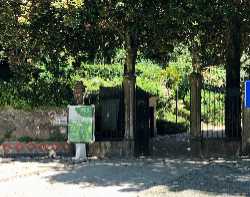 Botanical Garden
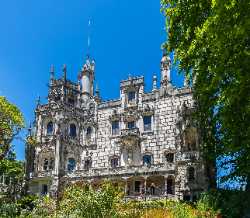
Quinta da Regaleira
Botanical Garden
Quinta da Regaleira
 Castle
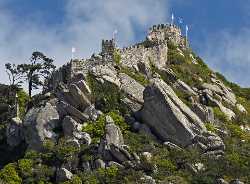
 of the Moors
Castle
Castle of the Moors
 Castle
Palácio da Pena
Castle
Palácio da Pena
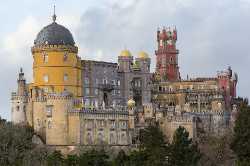 Castle
Igreja Paroquial de Colares
Castle
Igreja Paroquial de Colares
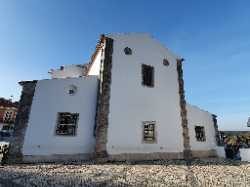 Church
 São Pedro de Sintra
Church
Church São Pedro de Sintra
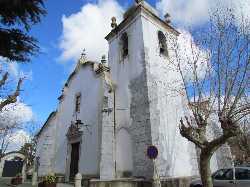 Church
 of Santa Maria
Church
Church of Santa Maria
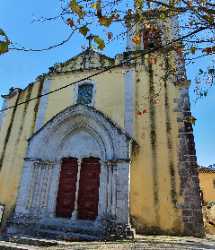 Church
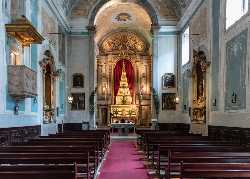
St. Martin Church
Church
St. Martin Church
 Church
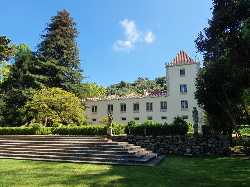
Quinta da Ribafria Gardens
Church
Quinta da Ribafria Gardens
 Garden
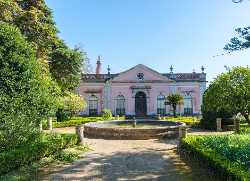
Quinta Nova da Assunção
Garden
Quinta Nova da Assunção
 Historical Landmark
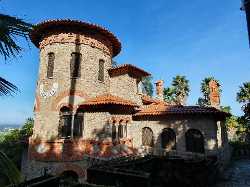
Vila Sassetti
Historical Landmark
Vila Sassetti
 Historical Landmark
Archaeological Site of Alto da Vigia
Historical Landmark
Archaeological Site of Alto da Vigia
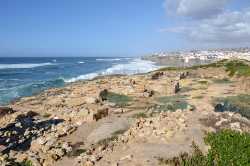 Historical Landmark
Praia das Maçãs Prehistoric Monument
Historical Landmark
Praia das Maçãs Prehistoric Monument
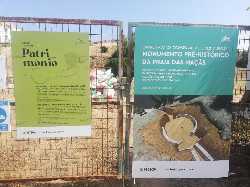 Historical Landmark
Palácio de Monserrate
Historical Landmark
Palácio de Monserrate
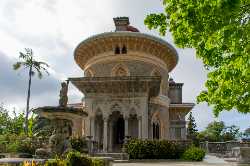 Historical Landmark
Galeria Municipal – Casa Mantero
Historical Landmark
Galeria Municipal – Casa Mantero
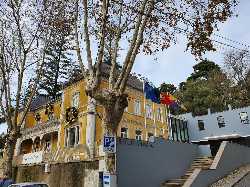 Library
Museu de História Natural de Sintra
Library
Museu de História Natural de Sintra
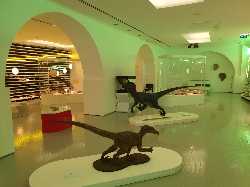 Museum
NewsMuseum
Museum
NewsMuseum
 Museum
Casa ‑ Museu de Leal da Câmara
Museum
Casa ‑ Museu de Leal da Câmara
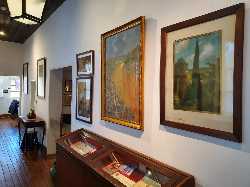 Museum
Museu do Bonsai
Museum
Museu do Bonsai
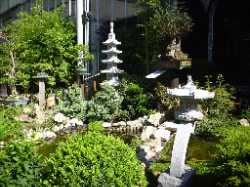 Museum
Museu Ferreira de Castro
Museum
Museu Ferreira de Castro
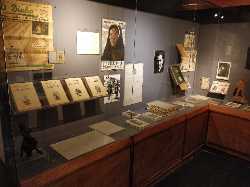 Museum
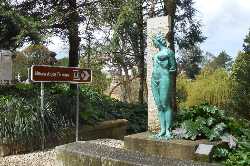
Museu Anjos Teixeira
Museum
Museu Anjos Teixeira
 Museum
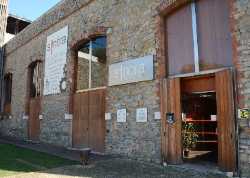
Sintra Science Workshop
Museum
Sintra Science Workshop
 Museum
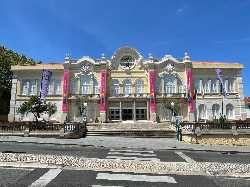
MU.SA – Museu das Artes de Sintra
Museum
MU.SA – Museu das Artes de Sintra
 Museum
Palácio Nacional de Sintra
Museum
Palácio Nacional de Sintra
 Palace
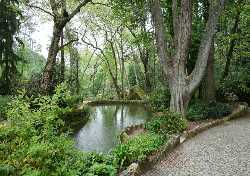
Parque da Pena
Palace
Parque da Pena
 Park
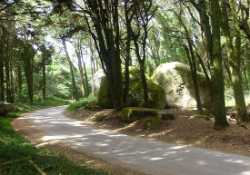
Parque das Merendas
Park
Parque das Merendas
 Park
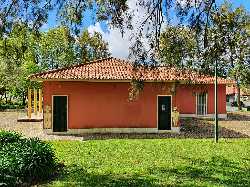
Casa da Marioneta Sintra
Park
Casa da Marioneta Sintra
 Theatre
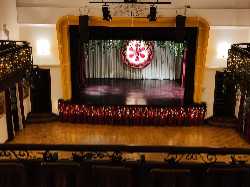
Sociedade União Sintrense
Theatre
Sociedade União Sintrense
 Theatre
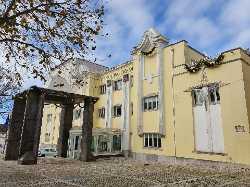
Olga Cadaval Cultural Center
Theatre
Olga Cadaval Cultural Center
 Theatre
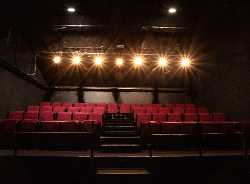
Sintra Theater House
Theatre
Sintra Theater House
 Theatre