Västerås
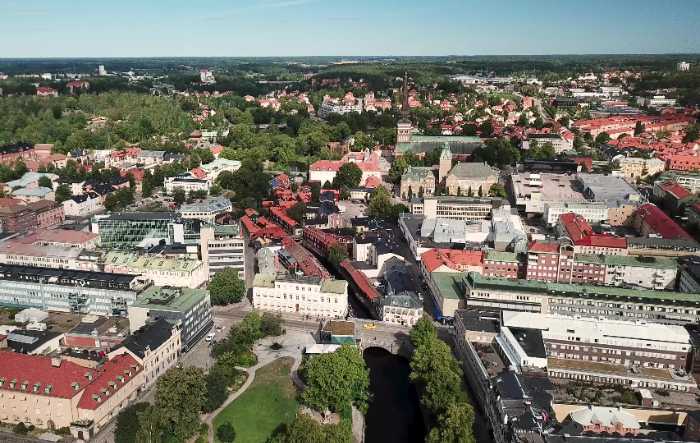
Västerås is one of Sweden’s oldest cities, located on the northern shore of Lake Mälaren, about 100 kilometers west of Stockholm. With a history stretching back over a thousand years, Västerås combines deep historical roots with a strong industrial and technological identity. The city played an important role during Sweden’s early development, particularly in the Middle Ages when it became a religious and political center. One of its most prominent landmarks is Västerås Cathedral, a striking Gothic structure dating back to the 13th century. The cathedral has witnessed key events in Swedish history, including royal ceremonies and important national decisions. Västerås was also central to the Protestant Reformation in Sweden. In 1527, the Swedish parliament held in the city led to major religious and political reforms, marking a turning point in the nation’s history. In more recent centuries, Västerås developed into a major industrial hub. It is closely associated with the growth of Sweden’s electrical engineering industry, particularly through companies like ASEA (now part of ABB). This legacy continues today, with the city known for innovation, technology, and sustainable development. The city center blends historic buildings with modern amenities. Visitors can explore charming streets, waterfront areas, and green spaces along Lake Mälaren. The harbor and marina are especially popular during the summer, offering scenic views and opportunities for boating and relaxation. Culturally, Västerås offers museums, galleries, and events that reflect both its historical heritage and contemporary creativity. Nearby attractions include castles such as Tidö Castle, located just outside the city, adding to the region’s appeal for history enthusiasts. With its mix of ancient history, industrial significance, and lakeside setting, Västerås provides a unique perspective on Sweden’s development from a medieval settlement to a modern, forward-looking city.
What to see in Västerås
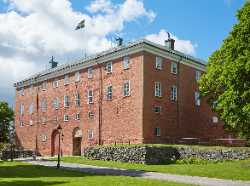 Castle
Västerås Cathedral
Castle
Västerås Cathedral
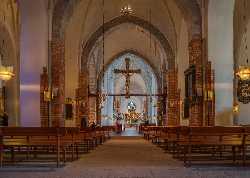 Cathedral
Skerike Church
Cathedral
Skerike Church
 Church
Anundshög
Church
Anundshög
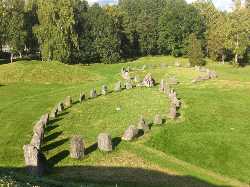 Historical Landmark
Kyrkbacken
Historical Landmark
Kyrkbacken
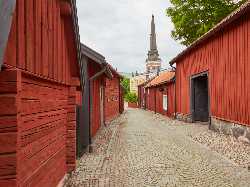 Historical Landmark
Västmanlands läns museum
Historical Landmark
Västmanlands läns museum
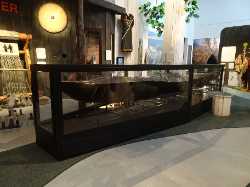 Museum
Västerås Konstmuseum
Museum
Västerås Konstmuseum
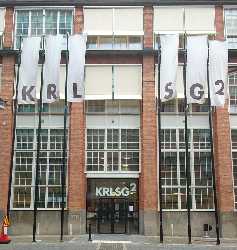 Museum
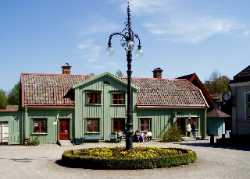
Vallby Open Air Museum
Museum
Vallby Open Air Museum
 Museum
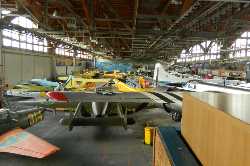
Västerås Flygmuseum
Museum
Västerås Flygmuseum
 Museum
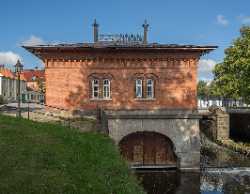
Turbine House
Museum
Turbine House
 Museum
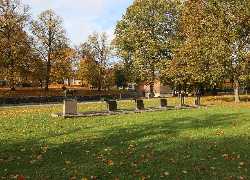
Vasa Park
Museum
Vasa Park
 Park
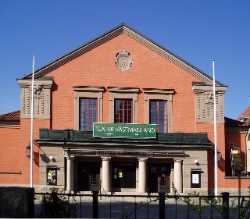
Västmanlands Teater
Park
Västmanlands Teater
 Theatre
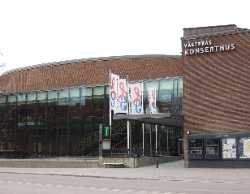
Västerås Konserthus
Theatre
Västerås Konserthus
 Theatre