The Devil's Porridge Museum
The Devil’s Porridge Museum in Eastriggs tells one of the most extraordinary stories of the First World War: the creation of HM Factory Gretna, the vast munitions plant where thousands of workers — mostly young women — produced cordite, the explosive paste nicknamed “the Devil’s Porridge.” One fascinating fact is that Gretna became the largest munitions factory in the world, stretching for nine miles and employing over 30,000 people, making it a crucial part of the British war effort. Inside, the museum brings this history vividly to life. Exhibits recreate the working conditions of the “munitionettes,” showing the machinery, protective clothing and dangerous processes involved in mixing cordite. Personal stories, photographs and letters reveal the social world of the factory, from strict rules to the friendships formed in challenging circumstances. The museum also explores the wider wartime community that grew around Gretna and Eastriggs, including housing, transport and leisure facilities built to support the workforce. Later galleries cover the Second World War, local military history and the region’s role in humanitarian efforts, adding depth to its narrative.
Eastriggs Scotland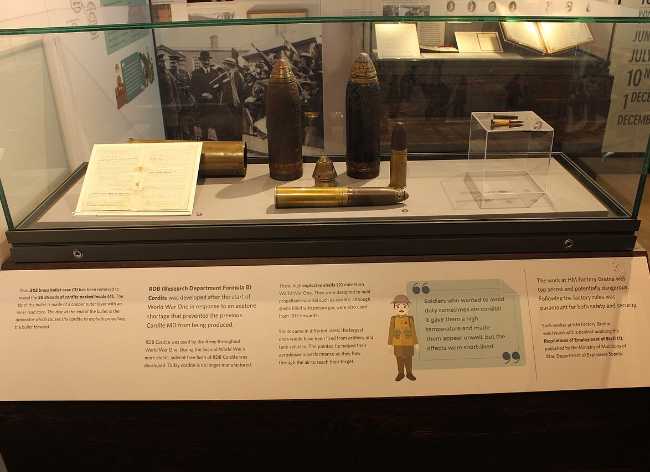
The Devil’s Porridge Museum is located on Annan Road in the village of Eastriggs, Dumfries and Galloway. The full address is Stanfield, Annan Road, Eastriggs, DG12 6TF. It sits just off the main road between Annan and Gretna, easy to spot once you’re in the area. A short drive west takes you into Annan itself, where you’ll find Annan Museum with its displays on local history. Gretna Green is only a few miles east and remains a popular stop for its famous marriage history. Further along the coast or inland you can reach the Ruthwell Cross and the Savings Banks Museum, both quiet but interesting historic sites. Caerlaverock Castle, with its distinctive triangular shape, is also within easy reach if you fancy a classic castle visit. The museum tells the remarkable story of the vast First World War munitions factory that once stood nearby, and the surrounding Solway area offers open countryside and coastal views. It makes a focused and engaging stop that pairs well with the nearby towns and heritage sites of this border corner of Dumfries and Galloway.