Veste Coburg
Perched high above the town of Coburg, Veste Coburg is one of Germany’s largest and best-preserved medieval fortresses. Often called the “Crown of Franconia,” the imposing stronghold dominates the surrounding landscape with its massive walls, towers, and courtyards, reflecting nearly a thousand years of history. The fortress is particularly famous for its connection to Martin Luther. In 1530, during a crucial period of the Reformation, Luther lived and worked within the castle while the Diet of Augsburg was taking place. Visitors can still explore the Luther Rooms, where he stayed, and discover exhibits explaining his time at the fortress and its significance in religious history. Today, Veste Coburg houses exceptional art collections that rank among the finest in Germany. The museums display masterpieces by renowned artists such as Albrecht Dürer, Lucas Cranach, and Matthias Grünewald, alongside collections of historic weapons, armor, glassware, carriages, and decorative arts. These treasures illustrate centuries of aristocratic life and artistic achievement.
Coburg Germany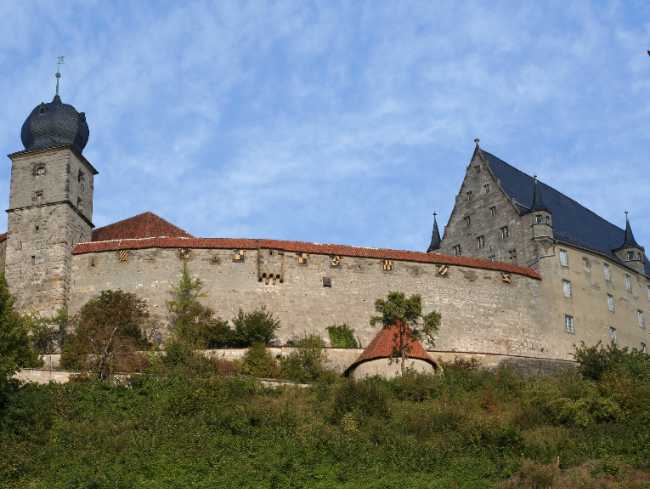
The Veste Coburg, often called the Crown of Franconia, is one of Germany's largest and best-preserved medieval fortress complexes. Perched high on a hill overlooking the city, this massive stronghold features double ring walls, fortified towers, and deep moats. Location: Veste Coburg 1, 96450 Coburg, Bavaria, Germany. It sits on a hilltop 167 meters directly above the city center of Coburg in Upper Franconia. Because of its position overlooking the historic city, visiting the Veste Coburg places you right near a cluster of grand palaces, lush parks, and regional museums. Surrounding the hill below is the expansive Hofgarten park, home to the Coburg Museum of Natural History. Descending into the town center brings you to Ehrenburg Palace, the lavish neo-Gothic city residence of the Coburg dukes, and the historic central Market Square. Nearby cultural landmarks also include the historic Morizkirche church, Callenberg Castle with its ducal art collections, the European Museum of Modern Glass in Rosenau Park, and the romantic birthplace of Prince Albert at Rosenau Palace.
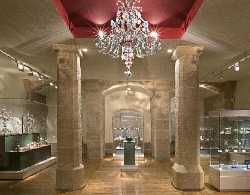 Museum