Neuburg Palace
Overlooking the Danube River in the historic town of Neuburg an der Donau, Neuburg Palace is one of Germany’s most important Renaissance residences. Built on the site of a medieval fortress and transformed from 1527 onward by Count Palatine Ottheinrich, the palace became the seat of the Duchy of Palatinate-Neuburg. Today, it is regarded as one of the finest Renaissance palace complexes in southern Germany. The palace is famous for its elegant arcaded courtyard, enclosed by four impressive wings. With its harmonious architecture and decorative Renaissance details, the courtyard ranks among the most beautiful historic palace spaces in Bavaria. Visitors can easily imagine the splendor of the princely court that once flourished here. The palace also contains magnificent state rooms and museum collections that illustrate the history of the rulers of Palatinate-Neuburg. Visitors can explore impressive halls, historic residential apartments, and the State Gallery, which displays artworks from the region’s rich cultural heritage. An interesting fact about Neuburg Palace is its close connection to Ottheinrich, one of the most influential Renaissance princes in Germany.
Neuburg an der Donau Germany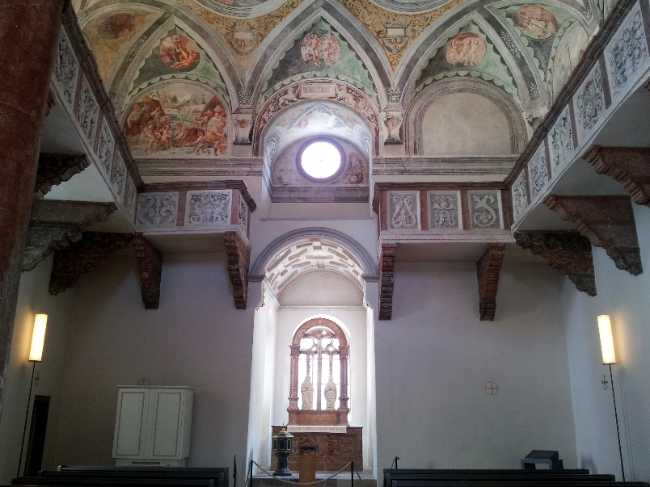
Neuburg Palace rises above the Danube in the town of Neuburg an der Donau in Upper Bavaria. The address is Residenzstraße 2, 86633 Neuburg an der Donau.This impressive Renaissance complex was built as the residence of the Principality of Palatinate-Neuburg and later gained a Baroque east wing with round towers. Inside you can explore the palace museum with its state rooms, tapestries and furniture, the State Gallery of Flemish Baroque paintings, the unique palace chapel and the atmospheric grottos.The historic old town spreads out around the palace with its squares, gates and riverside paths along the Danube. A short trip takes you to the nearby Renaissance hunting lodge Grünau in the floodplain forest, making it easy to combine a palace visit with a quiet walk or further exploration of the region.