Caputh Palace
Nestled on the shores of Lake Templin near Potsdam, Caputh Palace is one of Brandenburg’s hidden Baroque treasures. Unlike the grand royal palaces of Potsdam, this elegant residence offers a more intimate glimpse into the lives of the early Prussian rulers. It is particularly significant because it is the only surviving palace from the era of Frederick William, the Great Elector, making it a rare survivor of 17th-century Brandenburg history. The palace began as a country estate and was transformed into a luxurious summer residence for Electress Dorothea, the second wife of the Great Elector. Over the centuries, it hosted members of the Prussian court and became a favored retreat away from the formal atmosphere of Berlin and Potsdam. The highlight of any visit is the remarkable Tile Hall (Fliesensaal). This unique room is decorated with around 7,500 hand-painted Dutch faience tiles, one of the largest and most impressive collections of its kind in Germany. The blue-and-white tiles depict scenes of everyday life, ships, hunting, landscapes, and folklore, creating a fascinating visual record of the 17th and 18th centuries
Schwielowsee-Caputh Germany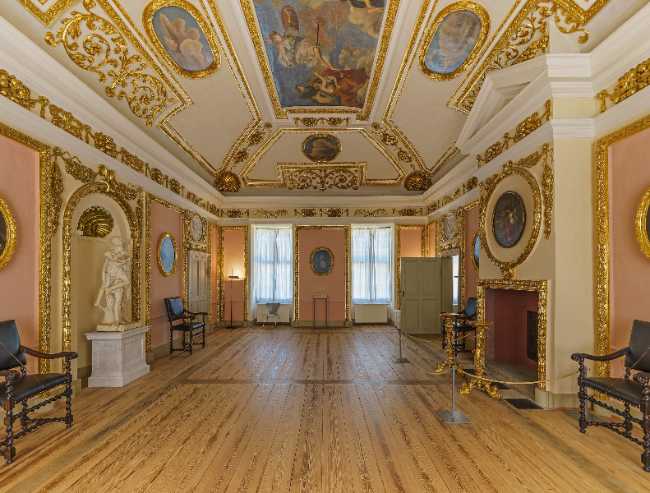
Caputh Palace sits in the quiet village of Caputh, part of the Schwielowsee municipality in Brandenburg, just a short hop from Potsdam. You will find it at Straße der Einheit 2, 14548 Schwielowsee, right by the water of Lake Templin and the Havel River.The palace itself is a modest early Baroque gem, the oldest surviving pleasure palace from the days of the Great Elector in the Potsdam area. It comes with a small landscaped park that runs down to the shore, perfect for a gentle stroll under old trees.Nearby you can easily reach Albert Einstein’s former summer house, also in Caputh, a simple wooden villa that offers a completely different kind of history. The village church, a neat 19th-century building by Friedrich August Stüler, stands close by as well. A bit farther out, the famous Sanssouci Palace and its sprawling park in Potsdam are only a short drive away, along with other Prussian residences such as the New Palace. The surrounding lakes make the whole area feel open and relaxed, so you can combine a bit of palace-hopping with time by the water.