Paretz Palace
Set in the peaceful Brandenburg countryside near the Havel River, Paretz Palace is one of Prussia’s most charming royal residences. Unlike the grand palaces of Berlin and Potsdam, it was designed as a quiet country retreat for Crown Prince Frederick William, later King Frederick William III of Prussia, and his beloved wife Queen Luise. The royal couple sought a simple escape from court life, earning the palace the romantic nickname“Palace Quiet-in-the-Country.” Built in 1797 in an elegant Neoclassical style by architect David Gilly, the palace became the centerpiece of a carefully planned ensemble that included the village, gardens, and surrounding landscape. The project reflected a preference for simplicity and comfort rather than royal extravagance, making it unique among Prussian residences. Inside, visitors can admire the beautifully restored royal apartments, which retain the atmosphere of the early 19th century. The palace is especially famous for its extraordinary Paretz paper wallpapers. These hand-painted and printed decorative wall coverings depict lush gardens, exotic plants, birds, and idyllic landscapes, creating the illusion that nature continues seamlessly from the park into the rooms. They are considered among the finest surviving examples of interior decoration from the period.
Ketzin Germany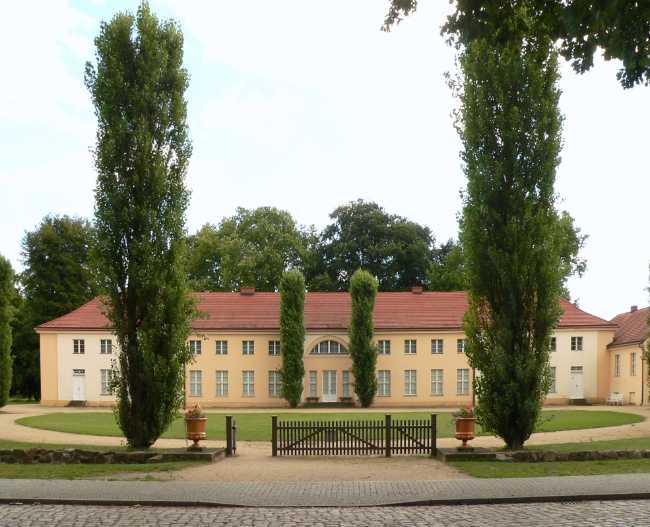
Paretz Palace sits in the quiet village of Paretz, which belongs to Ketzin on the Havel in Brandenburg. The address is Parkring 1, 14669 Ketzin/Havel OT Paretz. It lies in the open countryside of the Havelland, roughly twenty kilometres from Potsdam, right in a landscape of meadows and riverbanks that still feels peaceful and rural.The palace and the little village around it were laid out together around 1800 as a simple summer retreat for the Prussian crown prince and his wife Queen Luise. Today you can walk through the royal rooms with their original wallpapers and furniture, then step outside into the small park that blends into the surrounding fields. Right next door is the Royal Coach House, which holds a fine collection of historic coaches, sleighs and sedan chairs from the Prussian court. The village church and a few other neat buildings from the same period complete the picture, so the whole place feels like one carefully planned ensemble rather than a single isolated palace. It makes an easy, relaxed outing if you want a quieter corner of Brandenburg’s palace landscape away from the bigger crowds.