Oranienburg Palace
Oranienburg Palace is one of Brandenburg’s most important Baroque landmarks and a symbol of the rise of Prussia as a European power. Located north of Berlin, the palace originated as a country residence built for Louise Henriette of Orange-Nassau, wife of the Great Elector Frederick William. The town itself was named after her Dutch royal family, the House of Orange. The palace began as a residence in the mid-17th century and was later expanded into a magnificent Baroque complex by the future King Frederick I of Prussia. Around 1700, it was considered one of the finest residences of the young Prussian monarchy and became a showcase of royal wealth, art, and culture. Inside, visitors can explore lavishly decorated state rooms filled with artworks, historic furnishings, and treasures from the Prussian court. The absolute highlight is the spectacular Porcelain Chamber, one of the palace’s most famous rooms. Richly adorned with precious porcelain displays and elaborate ceiling paintings, it reflects Europe’s fascination with exotic luxury during the Baroque era. Other notable attractions include the elegant Silver Chamber, displaying royal silverware, as well as tapestries depicting the achievements of the Great Elector.
Oranienburg Germany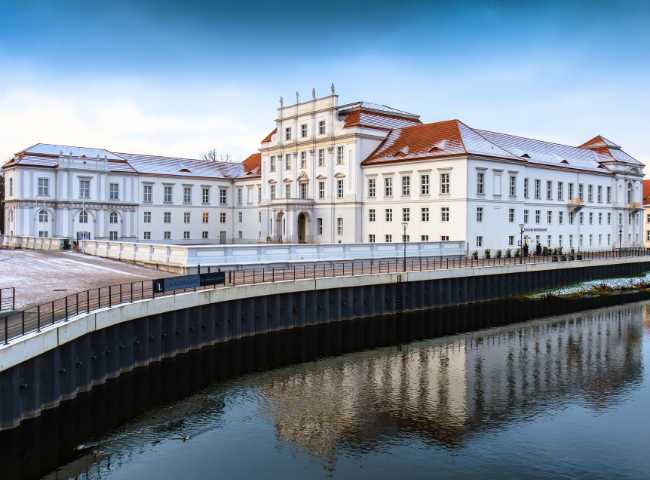
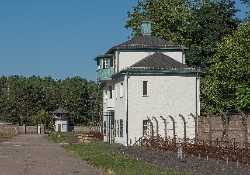
Oranienburg Palace stands right in the centre of the town of Oranienburg in Brandenburg, just north of Berlin and beside the Havel River. The address is Schlossplatz 1, 16515 Oranienburg.This is one of the oldest and most important Baroque palaces in the region, begun in the mid-seventeenth century for Louise Henriette of Orange and later enlarged into a handsome residence. Inside you will find the palace museum with its fine collection of Dutch paintings, porcelain and silver, while another part of the building houses the Regionalmuseum Oberhavel, which looks at local history and culture.Right outside the palace stretches the Schlosspark, a pleasant green space that mixes historic garden features with open lawns and play areas. A short distance away is the Sachsenhausen Memorial and Museum, an important site that many visitors combine with a trip to the palace. The whole area sits comfortably between town and river landscape, making it easy to spend a relaxed day exploring both the palace and what lies around it.
 Museum