Dokumentationszentrum Alltagskultur der DDR
The Dokumentationszentrum Alltagskultur der DDR in Eisenhüttenstadt offers a unique perspective on life in East Germany. Rather than focusing on high politics or the Cold War, the museum explores the everyday experiences of ordinary people in the German Democratic Republic (GDR), making it one of the most fascinating collections dedicated to daily life behind the Iron Curtain. Founded shortly after German reunification, the museum preserves thousands of objects that once filled East German homes, workplaces, schools, and public spaces. Its collection demonstrates how political ideology shaped everyday consumer culture, fashion, housing, education, and leisure activities. Inside, visitors can discover authentic household items, furniture, kitchen appliances, toys, clothing, radios, and televisions that were commonly used in the GDR. These objects provide a vivid picture of what daily life looked like for millions of East Germans. Particularly interesting are the displays of original product packaging, advertising materials, and consumer goods that reveal both the creativity and limitations of a planned economy.
Eisenhüttenstadt Germany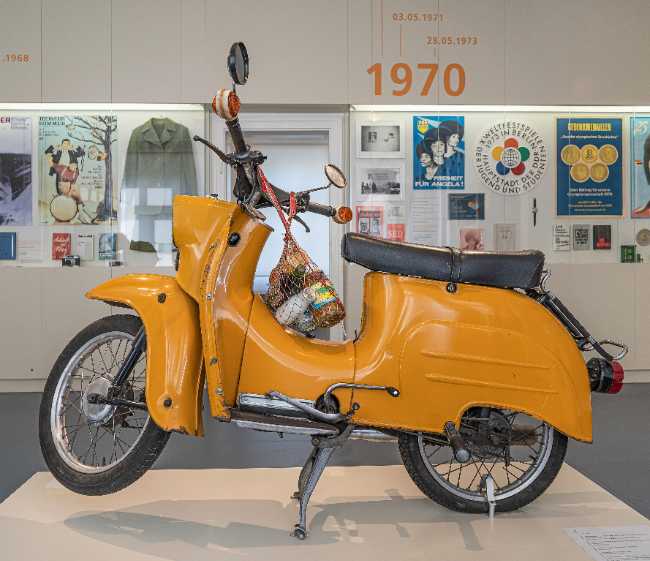
The Dokumentationszentrum Alltagskultur der DDR sits in the middle of Eisenhüttenstadt in Brandenburg, at Erich-Weinert-Allee 3, 15890 Eisenhüttenstadt. It forms part of the Museum Utopie und Alltag and is housed in a restored former children’s nursery right inside the carefully planned 1950s city that was once meant to be a model of socialist living.The whole town around it is worth a slow walk. Wide avenues, the Rathaus with its striking mosaics, and the orderly residential blocks make the place feel like an open-air museum of its own. A short stroll takes you to the Städtisches Museum, which tells the story of how the steel town grew, and to the Feuerwehr- und Technikmuseum if you like old fire engines and machinery.Just a few kilometres south lies the baroque Kloster Neuzelle, a beautifully preserved monastery complex with church, gardens and a small museum that feels a world away from the industrial city. Further afield you can reach Burg Beeskow, a proper medieval castle that also houses related collections. The river Oder and the surrounding countryside offer quiet paths if you simply want to stretch your legs after looking at everyday objects from the GDR years.