Museum of Sepulchral Culture
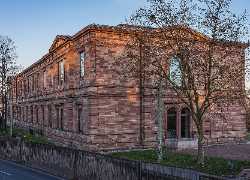
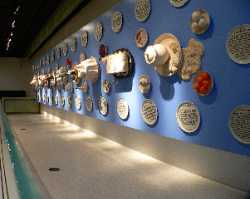
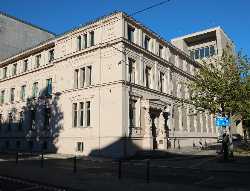
The Museum of Sepulchral Culture in Kassel is one of the most unusual and thought-provoking museums in Germany. Dedicated to the themes of death, burial, mourning, and remembrance, it explores a subject that is universal to all cultures yet rarely presented in such a comprehensive way. Unique in Germany, the museum combines history, art, anthropology, and social customs to show how people have dealt with loss and commemorated the dead from the late Middle Ages to the present day. Far from being a gloomy attraction, the museum encourages visitors to reflect on the meaning of life through an understanding of death. Its permanent exhibition traces the evolution of funeral traditions, mourning rituals, memorial practices, and artistic responses to mortality. The collections focus mainly on Central Europe, while also offering insights into traditions from other parts of the world. Inside, visitors can see a fascinating range of objects connected with burial and remembrance. Highlights include historic coffins, burial shrouds, funeral carriages, mourning jewelry, traditional funeral clothing, death masks, memorial artworks, and elaborately designed gravestones. These artifacts reveal how customs, beliefs, and attitudes toward death have changed over the centuries.
Kassel Germany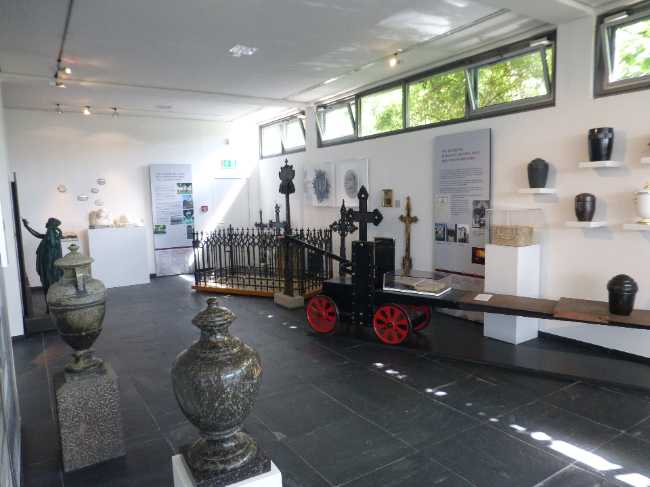
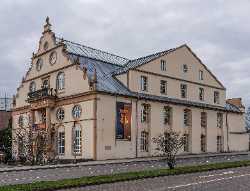
The Museum of Sepulchral Culture, or Museum für Sepulkralkultur, is a uniquely compelling venue perched on the Weinberg hill in Kassel, Hessen. Location: Weinbergstraße 25-27, 34117 Kassel, Hessen, Germany. It is situated along the Weinberg hill on the southern edge of central Kassel.Because of its setting on the Weinberg hill, visiting the Museum of Sepulchral Culture puts you right next to some of Kassel's most celebrated cultural institutions. Just steps away on the same street stands GRIMMWELT Kassel, an interactive museum celebrating the legacy of the Brothers Grimm, while the Museum of Hessian History is also close by. A short stroll down the hillside leads to the New Gallery (Neue Galerie) along the Schöne Aussicht terrace, offering sweeping views of Karlsaue Park and its baroque Orangerie Palace. Further into the city center, visitors can easily reach the historic Fridericianum art hall and the Ottoneum, home to the Museum of Natural History Kassel.
 Castle
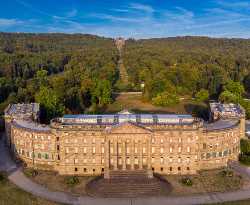 Palace
 Museum
 Museum
 Museum
 Museum
 Museum
 Museum