Mirow Palace
On a small castle island in Mirow stands the last preserved monument of ducal residential culture of the Mecklenburg-Strelitz dynasty. The Rococo palace, rebuilt after a fire in 1742, was a secondary residence of the dukes. Its most famous child was born here: Princess Sophie Charlotte, born on 19 May 1744 in the Lower Castle, who became Queen Charlotte, wife of King George III of Great Britain. The island’s 3 Queens Palace tells her story and that of two other Mecklenburg-Strelitz princesses who became European queens, with an interactive exhibition, portraits, furniture and a café overlooking Lake Mirow. Inside the palace, see the sumptuous Rococo interior, including the outstanding banqueting hall from 1710, a fine example of 18th-century court decoration in Mecklenburg, and a famous hand-stitched 18th-century tapestry. The museum shows ducal life, childhood and court culture. Nearby, visit the Johanniter church and the ducal crypt, where Strelitz dukes have been buried since 1704, and cross the cast-iron bridge to Love Island.
Mirow Germany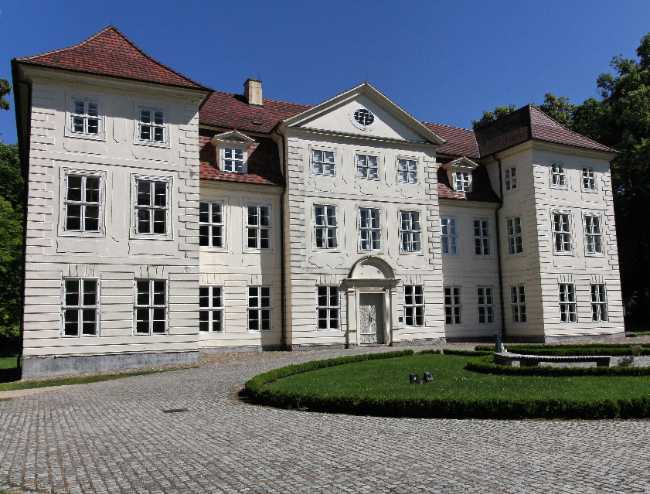
Mirow Palace, known locally as Schloss Mirow, is a charming Baroque residence nestled on an idyllic island in the Mecklenburg Lake District. Location: Schlossinsel 1, 17252 Mirow, Mecklenburg-Western Pomerania, Germany. It sits on Castle Island on the eastern shore of Lake Mirow, right beside the town center.Because of its scenic setting in the heart of the lake district, visiting Mirow Palace places you within easy reach of historic fortresses, aviation museums, and grand regional residences. Just outside the island gates stands the historic Lower Palace (Unteres Schloss), while a short drive west leads to the Aviation Technical Museum Rechlin on the shores of Lake Müritz. Heading east brings you to the medieval hilltop Wesenberg Castle (Burg Wesenberg), and a brief trip south across the state border leads to the famous lakeside Rheinsberg Palace (Schloss Rheinsberg).