University of Greifswald Zoological Collection
The University of Greifswald Zoological Collection is one of the oldest and most scientifically important natural history collections in northern Germany. Its origins date back to the early 18th century, when the university began assembling natural specimens for teaching and research. Over the centuries, the collection grew into a remarkable archive of animal biodiversity and remains an important resource for both science and education today. Visitors can explore a demonstration collection that showcases representatives from nearly all major animal groups. The exhibits include preserved mammals, birds, insects, and other zoological specimens, providing a fascinating overview of the diversity of life. Particularly interesting is the systematic collection, which even contains examples of species that have become extinct. One of the collection’s greatest treasures is the famous “Pomeranian Collection,” a historic assemblage of native birds from the region. With nearly 1,000 specimens, it is considered the largest collection of Pomeranian birds and includes rare species and unusual visitors recorded over many generations.
Greifswald Germany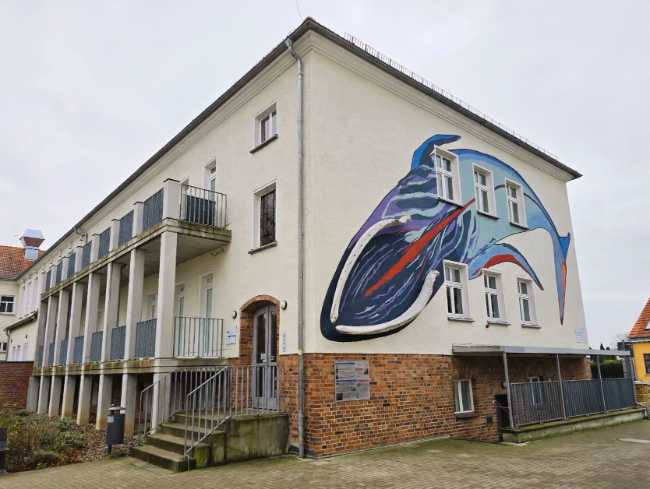
The Zoological Collection of the University of Greifswald, known locally as the Zoologisches Museum der Universität Greifswald, is a fascinating natural history archive with scientific roots dating back to the eighteenth century. Location: Loitzer Straße 26, 17489 Greifswald, Mecklenburg-Western Pomerania, Germany. It sits on the western edge of Greifswald's historic old town, at the corner of Loitzer Straße and Soldmannstraße. Because of its convenient university district setting, visiting the zoological collection places you within easy reach of major art museums, historic ruins, and regional palaces. A short walk east into the old town brings you to the Caspar David Friedrich Centre, the Brick Gothic St. Nicholas Cathedral, and the Pomeranian State Museum (Pommersches Landesmuseum). Heading east of the city center leads to the romantic Gothic ruins of Eldena Abbey, while a short drive into the surrounding countryside brings you to Renaissance Ludwigsburg Palace (Schloss Ludwigsburg), Baroque Griebenow Castle, and Wrangelsburg Castle.
 Museum
 Museum
 Museum