Atelier Otto Niemeyer-Holstein
Nestled at the narrowest point of the island of Usedom, the Atelier Otto Niemeyer-Holstein is one of the most captivating artist museums in northern Germany. Known as “Lüttenort,” this unique retreat was created by painter Otto Niemeyer-Holstein (1896–1984), one of the most significant German landscape artists of the 20th century. The museum offers a rare opportunity to experience art, architecture, and nature in the exact environment that inspired the artist throughout much of his life. Unlike traditional galleries, the museum consists of the artist’s original house, studio, garden, and a modern exhibition gallery. Visitors can walk through the preserved living and working rooms, gaining an intimate glimpse into Niemeyer-Holstein’s everyday life and creative process. One of the most unusual sights is the historic Berlin S-Bahn railway carriage that served as part of his residence and became a symbol of Lüttenort. The grounds themselves are a work of art. The beautifully designed sculpture garden features more than 200 plant species, numerous sculptures by artist friends, and even remnants of an old shipwreck integrated into the landscape. The artist carefully shaped the garden over decades, creating a harmonious blend of art and nature that reflects his deep connection to the Baltic coast.
Koserow Germany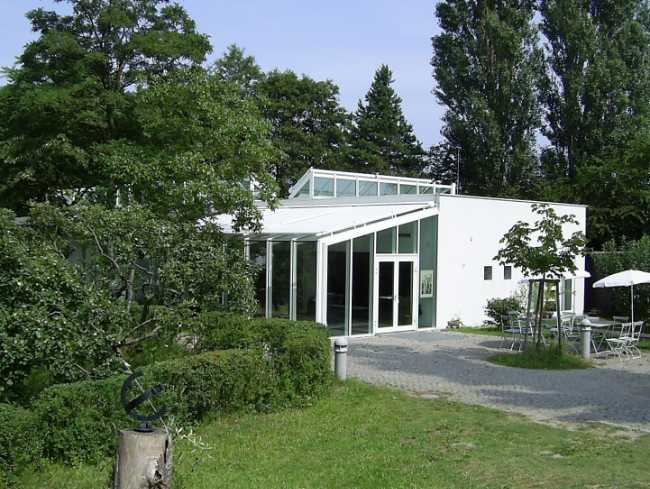
The Atelier Otto Niemeyer-Holstein is an inspiring memorial museum and artist residence dedicated to the renowned twentieth-century German painter Otto Niemeyer-Holstein. Location: Lüttenort 1, 17459 Ostseebad Koserow, Mecklenburg-Western Pomerania, Germany. It sits at the narrowest point of Usedom Island between the Baltic Sea beach and the Achterwasser lagoon, nestled between the seaside resorts of Koserow and Zempin. Because of its central island position, visiting the studio places you within easy reach of charming local museums, coastal landmarks, and historic island castles. Just down the road in Zempin sits the Heimatmuseum Zempin, while heading southeast into Koserow leads to the historic salt huts, the medieval Koserow Church, and the dramatic Streckelsberg coastal cliffs. A short drive inland brings you to Renaissance Mellenthin Castle and Stolpe Castle, while crossing onto the mainland in Wolgast leads to the Rungehaus and the City History Museum.