Volkskundemuseum Schönberg
The Volkskundemuseum Schönberg offers a fascinating journey into the everyday life, customs, and traditions of rural Mecklenburg. Located in the historic town of Schönberg, this charming museum is dedicated to preserving the cultural heritage of the region and provides visitors with an authentic glimpse into how people lived and worked in centuries past. Inside, the museum presents a rich collection of household objects, traditional furniture, clothing, tools, and handcrafted items that reflect daily life in Mecklenburg's villages and small towns. Carefully arranged exhibits recreate the atmosphere of historic homes, allowing visitors to imagine what life was like before the modern age. From kitchens filled with period utensils to living rooms furnished in traditional styles, every room tells a story about the region’s past. One of the museum’s most interesting features is its focus on local customs and folk traditions. Exhibitions explore celebrations, wedding rituals, seasonal festivals, and the craftsmanship that shaped community life for generations. Decorative embroidery, regional costumes, and handmade objects highlight the skill and creativity of local artisans.
Schönberg Germany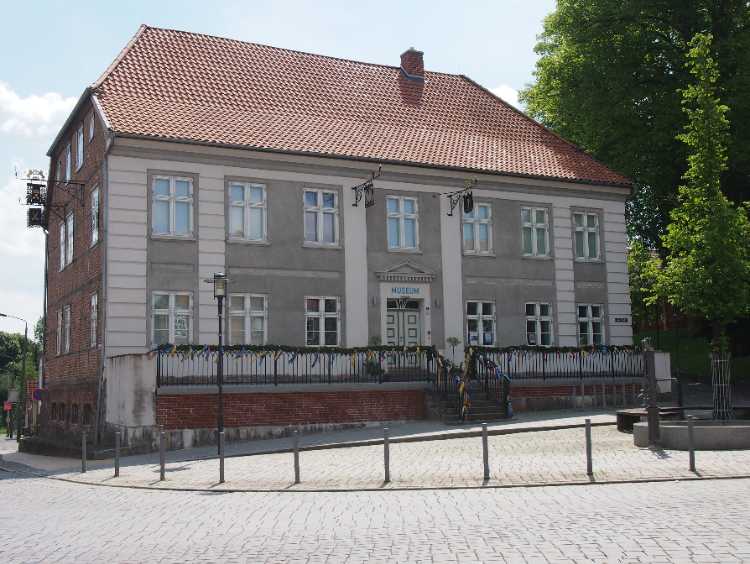
The Volkskundemuseum Schönberg is an atmospheric folklore and open-air museum dedicated to the rural traditions, crafts, and everyday heritage of the historic Schönberger Land region. Divided into two sections, the museum begins in a charming nineteenth-century town house showcasing historic living rooms, traditional regional costumes, agricultural tools, and local guild artifacts. Location: Am Markt 1, 23923 Schönberg, Mecklenburg-Western Pomerania, Germany, for the main museum house in the town center, with the open-air farmstead located at Schulzenweg 1 in nearby Bechelsdorf. Because of its convenient position in northwestern Mecklenburg between Lübeck and Wismar, visiting the museum places you within easy reach of historic brick churches, regional museums, and grand palaces. Right in Schönberg stands the medieval St. Lawrence Church, while a short drive south leads to the GRENZHUS Schlagsdorf border museum, Ratzeburg Cathedral, and Gadebusch Castle. Heading east along the Baltic coast also brings you to the grand neo-Gothic Bothmer Palace in Klütz, the Literature House Uwe Johnson, and the UNESCO-listed old town of Wismar.