Farmland Museum and Denny Abbey
Denny Abbey & The Farmland Museum form one of Cambridgeshire’s most atmospheric heritage sites, where nearly a thousand years of history meet the story of rural life. The abbey began in the 12th century as a Benedictine nunnery, later becoming home to the Knights Templar and then the Franciscans. This unusual sequence of religious communities makes Denny Abbey one of the few English monastic sites to show such layered architectural evolution, from early stonework to later medieval additions. An interesting fact is that the abbey’s refectory, adapted by the Templars, still preserves some of the finest surviving domestic medieval interiors in the region. After the Dissolution, the complex was converted into a farmhouse, beginning centuries of agricultural use that shaped both the buildings and the surrounding landscape. The Farmland Museum, established beside the abbey, tells the story of rural Cambridgeshire through tools, machinery, crafts, and personal histories. Its recreated workshops and displays of fenland farming traditions offer insight into the hard, ingenious work that sustained local communities. Today, Denny Abbey & The Farmland Museum stand as a rare combination of monastic heritage and agricultural history, offering visitors a vivid sense of continuity between medieval spirituality and the rhythms of rural life.
Waterbeach United Kingdom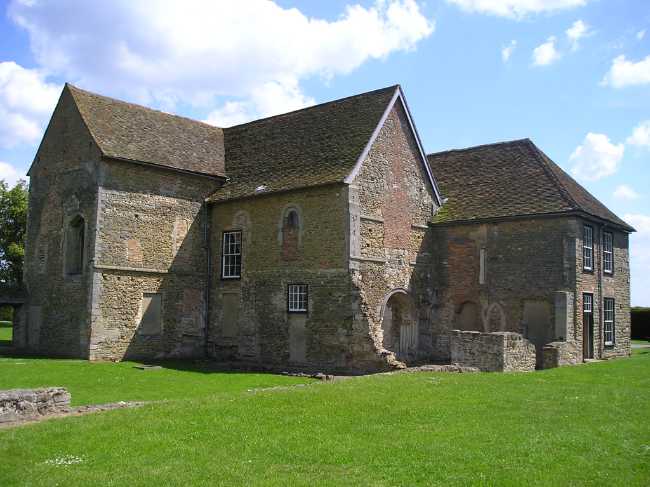
Denny Abbey & The Farmland Museum is located in the village of Waterbeach in Cambridgeshire, England, set in the open fenland north of Cambridge. The site sits just off the A10, making it an easy stop between Cambridge and Ely. The abbey itself has a unique history. Founded in the 12th century as a Benedictine monastery, it later became a house for Franciscan nuns and then the Knights Templars, before passing into private hands. Today you can explore the remains of the medieval abbey church and refectory, where displays explain the lives of the women who lived and worshipped here. Attached to the abbey is The Farmland Museum, which brings Cambridgeshire’s agricultural past to life. Exhibits cover village crafts, fen drainage, wartime farming, and rural home life. Outside, a traditional farmyard has historic tractors, ploughs, and tools, while a recreated 1940s fenland cottage and village shop show daily life from past generations. There are also seasonal events, craft demonstrations, and a tearoom serving homemade cakes. Right nearby is the city of Ely, only a short drive away. Its magnificent cathedral, known as the “Ship of the Fens,” dominates the skyline and houses a stained glass museum and medieval lady chapel. Ely’s riverside has cafés, walks along the Great Ouse, and boat trips. Wicken Fen National Nature Reserve is also close, offering boardwalks through one of the country’s oldest nature reserves with reed beds, windpumps, and rare wildlife.