Smederevo Museum
Smederevo Museum offers a rich journey through the history of a city shaped by medieval rulers, Ottoman influence, and modern industrial growth. Founded in 1950, it occupies a historic building near the Danube and serves as the main guardian of local heritage. Its collections reveal how Smederevo evolved from the capital of Despot Đurađ Branković in the 15th century into a vibrant regional center. The archaeological department is one of the museum’s highlights. Here you can see artifacts from the mighty Smederevo Fortress, including medieval weapons, pottery, and decorative metalwork that illustrate courtly life during the Serbian Despotate. Roman and prehistoric finds from the wider region add deeper layers to the story. The ethnographic collection showcases traditional clothing, household items, and tools from rural communities around Smederevo. Embroidered garments, carved wooden chests, and ceremonial objects reveal everyday life along the Danube in the 19th and early 20th centuries. A compelling section is dedicated to the 20th century, documenting the city’s industrial rise and the dramatic events of World War II, including the 1941 explosion that devastated Smederevo. Photographs, personal belongings, and archival documents offer a vivid sense of the city’s resilience.
Smederevo Serbia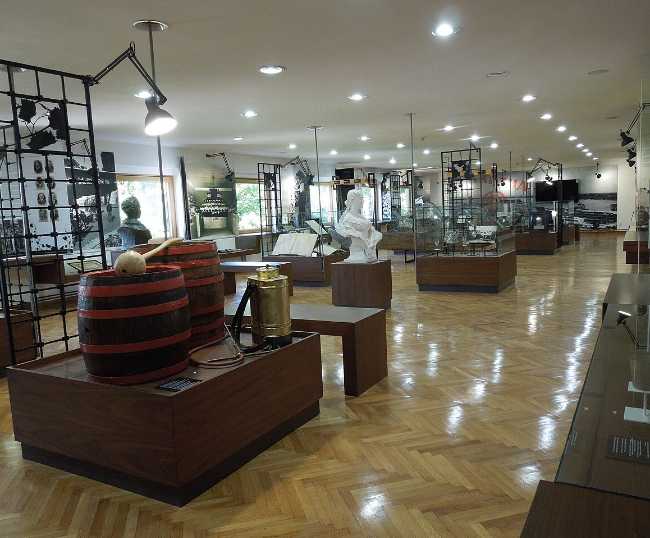
The museum is located at Omladinska 4, Smederevo 11300, Serbia. It sits conveniently in the central part of town, just a short walk south of the Danube riverbank. Because the museum is centrally located, you can easily visit several key historical attractions on foot. A short stroll north toward the river leads straight to the famous Smederevo Fortress, a massive fifteenth-century medieval castle built by Despot Đurađ Branković that stands as one of the largest lowland fortresses in Europe. Nearby in the town center, you can also explore the Church of Saint George on the main square, the historic Karađorđe's Mulberry Tree, and the pleasant river promenade along the Danube. A short drive outside town brings you to the summer residence of the Obrenović royal dynasty at Zlatni Brijeg Villa.
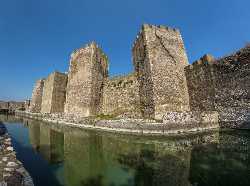 Fortress
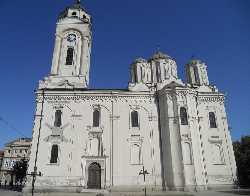 Church