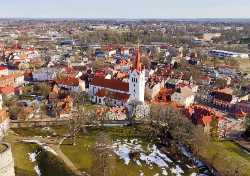
Located in the scenic Vidzeme region of Latvia, Cēsis is one of the country’s oldest and most beautiful towns. Known for its medieval heritage, charming old streets, and surrounding natural landscapes, Cēsis is often considered one of Latvia’s most atmospheric historical destinations. The town has played an important role in Latvian history since the 13th century and today attracts visitors with its castles, museums, parks, and cultural events. The city’s most famous landmark is the magnificent Cēsis Medieval Castle. Built by the Livonian Order in the early 1200s, the castle became one of the most powerful medieval fortresses in the Baltic region. Visitors can explore the ancient stone ruins, climb the towers, and walk through candle-lit castle cellars. The castle complex offers a unique historical atmosphere and gives insight into medieval life and warfare. Nearby stands the elegant Cēsis New Castle, an 18th-century manor-style residence that now houses exhibitions and administrative offices. Inside the New Castle is the Cēsis History and Art Museum, one of the most important regional museums in Latvia. The museum displays archaeological artifacts, medieval weapons, historical documents, traditional costumes, and exhibitions about the history of Cēsis and the Vidzeme region. Visitors can learn about the town’s role during the Livonian Order, the Swedish period, and Latvian independence. The old town of Cēsis is itself a major attraction. Narrow cobblestone streets, historic wooden houses, and charming squares create a peaceful and romantic atmosphere. The town center is filled with cafés, artisan shops, and cultural venues that make it popular with both local and international tourists. Another important landmark is St. John’s Church, a large medieval church built in the 13th century. The church is famous for its Gothic architecture, historical tombs, and impressive tower views over the town. It remains one of the oldest and most significant churches in Latvia. Nature lovers can visit the nearby Gauja National Park, Latvia’s largest national park, known for forests, sandstone cliffs, caves, and hiking trails. Popular nearby attractions include the Eagle Cliffs and the Gauja River valley, which provide spectacular scenery throughout the year. Cēsis is also famous for outdoor activities such as cycling, canoeing, skiing, and nature walks. The town hosts concerts, medieval festivals, and art events, especially during summer, when the castle grounds become a lively cultural center. The combination of medieval architecture, museums, beautiful landscapes, and cultural life makes Cēsis one of Latvia’s most rewarding travel destinations. With its rich history, impressive castle ruins, and charming atmosphere, Cēsis offers visitors a perfect blend of culture, history, and natural beauty in the heart of Latvia.
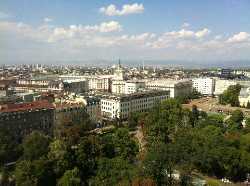
Sofia, the vibrant capital of Bulgaria, often surprises visitors with its rich tapestry of ancient history seamlessly interwoven with a burgeoning modern spirit. It wasn't always the sole center of power in the region; for centuries, other cities like Veliko Tarnovo held the esteemed title of capital during the Second Bulgarian Empire, a testament to the shifting dynamics of the Balkan Peninsula. Yet, Sofia's strategic location at the crossroads of ancient trade routes ultimately propelled it to its current prominence. Consider this: Sofia boasts the unique distinction of having a mineral spring flowing in the very heart of its city center. Located near the Serdica metro station and the Banya Bashi Mosque, this publicly accessible spring offers warm, slightly sulfuric water that locals and visitors alike can collect, a tangible link to the city's ancient thermal heritage. The presence of these springs even influenced the city's early development and its Roman name, Serdica, which was associated with thermal baths. Intriguingly, Sofia is home to a remarkably tolerant coexistence of different religions. Within a small radius in the city center, you can find the St. George Rotunda (an early Christian church), the Banya Bashi Mosque (an Ottoman-era mosque), the Sofia Synagogue (one of the largest Sephardic synagogues in Europe), and the St. Alexander Nevsky Cathedral (an impressive Orthodox cathedral). This peaceful proximity speaks volumes about the city's historical and contemporary embrace of diverse faiths. Another fascinating aspect of Sofia lies in its unexpected connection to the world of owls. The Little Owl is a common sight in the city's parks and even perched on its ancient ruins. So prevalent is this bird that it has become a somewhat unofficial symbol of Sofia's wisdom and longevity, often appearing in local art and folklore. Beyond its religious harmony and avian residents, Sofia holds a poignant claim to a rather unusual historical event. During World War II, the city was targeted by Allied bombing raids. However, the citizens of Sofia, demonstrating remarkable bravery and compassion, risked their own lives to rescue the Holy Relics of Saint John of Rila, Bulgaria's patron saint, from potential destruction, hiding them in various locations throughout the city. Furthermore, Sofia's metro system, while relatively modern compared to some other European capitals, was built upon the foundations of an earlier, unrealized tram project from the early 20th century. Some of the initial tunnel work was later incorporated into the current metro lines, a tangible link between past aspirations and present-day infrastructure. Finally, for those with an appreciation for Soviet-era monuments, Sofia offers a somewhat controversial yet undeniably imposing example: the Monument to the Soviet Army. While its presence remains a subject of ongoing debate and occasional artistic alterations, its sheer scale and central location serve as a powerful reminder of Bulgaria's complex 20th-century history and its past political affiliations. To explore Sofia is to encounter a city where ancient thermal waters flow freely, diverse faiths coexist peacefully, owls watch over ancient stones, and the layers of history, from Roman origins to socialist-era grandiosity, create a uniquely compelling urban tapestry.
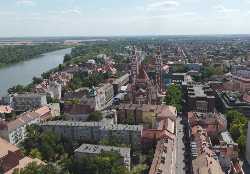
Szeged, often called the “City of Sunshine,” is one of Hungary’s most attractive destinations. Located on the banks of the Tisza River near the Serbian border, it is known for its beautiful architecture, vibrant cultural life, and pleasant climate. Rebuilt after a devastating flood in 1879, Szeged features wide boulevards, elegant squares, and impressive public buildings that make it a delight to explore. The city's most famous landmark is the Votive Church of Szeged, also known as the Cathedral of Our Lady of Hungary. Dominating the magnificent Dóm Square, this twin-towered cathedral is one of the largest churches in Hungary. Visitors can admire its beautiful interior, climb the tower for panoramic views, and enjoy cultural events held in the square during the summer months. Adjacent to the cathedral is the Dömötör Tower, the oldest building in Szeged, which dates back to the medieval period. The surrounding Dóm Square is one of Hungary’s most impressive public spaces and serves as the venue for the renowned Szeged Open-Air Festival, attracting thousands of visitors every year. Another architectural gem is the Reök Palace, an outstanding example of Hungarian Art Nouveau design. Its elegant façade and artistic details make it one of the city's most photographed buildings. Nearby, visitors can stroll through the lively city center filled with cafés, restaurants, and historic landmarks. Nature lovers can enjoy the riverside promenades along the Tisza River, offering relaxing walks and beautiful views. The city also features several green spaces, including the Széchenyi Square park and the University Botanical Garden, home to thousands of plant species from around the world. Families and animal lovers should visit the Szeged Zoo, one of the largest and most modern zoos in Hungary. The zoo houses animals from every continent and offers educational programs in a spacious natural environment. For relaxation, the Anna Thermal Bath and the modern Aquapolis water park provide excellent wellness and recreation facilities. Aquapolis is particularly popular for its pools, slides, and family-friendly attractions. Culture plays an important role in Szeged. The National Theatre hosts opera, ballet, concerts, and theatrical performances throughout the year, while numerous museums and galleries showcase the city's rich heritage. Szeged is also famous for its gastronomy. Visitors can taste traditional Hungarian fish soup and the city’s world-famous paprika, which has become a symbol of the region. With its stunning cathedral, elegant architecture, riverside atmosphere, cultural festivals, parks, and thermal baths, Szeged offers a rich and memorable experience for every traveler exploring southern Hungary.
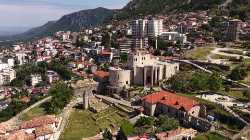
Krujë is one of Albania's most significant historic towns, celebrated as the stronghold of the national hero Gjergj Kastrioti Skanderbeg. Nestled on the slopes of Mount Krujë, the town combines spectacular mountain scenery with centuries of Albanian history, making it one of the country's most popular cultural destinations. Its narrow cobbled streets, traditional stone houses, and lively bazaar preserve the atmosphere of medieval Albania. The heart of the town is Krujë Castle, a formidable fortress that became famous in the 15th century when Skanderbeg successfully defended it against repeated Ottoman sieges. Originally built during the early medieval period, the castle now offers magnificent views across central Albania and remains a symbol of the nation's independence and resilience. Within its walls are historic buildings, museums, and remnants of ancient fortifications that reveal the castle's long and fascinating history. Krujë is home to several important museums. The National Museum Gjergj Kastrioti Skanderbeg, located inside the castle, chronicles the life, military campaigns, and legacy of Albania's greatest national hero through weapons, documents, archaeological finds, and historical exhibits. The Ethnographic Museum of Krujë is housed in the beautifully preserved Toptani House, an 18th-century Ottoman residence that displays traditional Albanian family life, furniture, costumes, and craftsmanship. Visitors can also explore the Dollma Tekke Museum, a historic Bektashi religious complex that presents the traditions and spiritual heritage of the Bektashi order while offering panoramic views over the surrounding landscape. One of Krujë's most important religious landmarks is the Church of Saint Nicholas, situated within the castle grounds. This historic church has served the local community for centuries and stands as a reminder of the town's Christian heritage alongside other religious monuments in the area. A visit to Krujë would not be complete without exploring the Old Bazaar, one of the oldest and best-preserved marketplaces in Albania. Stretching along a charming stone-paved street, the bazaar is lined with traditional wooden shops selling handmade carpets, silver jewelry, wood carvings, antiques, and local crafts. It remains an excellent place to experience Albanian culture and purchase authentic souvenirs. Other notable landmarks include the Skanderbeg Memorial, which commemorates the legendary commander whose leadership shaped Albanian history, and the scenic viewpoints surrounding the castle that overlook the coastal plain stretching toward the Adriatic Sea. With its legendary castle, outstanding museums, historic churches, vibrant bazaar, and deep connection to Albania's national identity, Krujë offers visitors an unforgettable journey into the country's medieval past and remains one of Albania's most inspiring historic destinations.
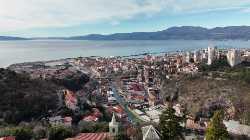
Rijeka is Croatia's principal seaport and one of the country's most dynamic cultural destinations. Located on the northern Adriatic coast in Kvarner Bay, the city has developed over centuries as a major center of trade, industry, and maritime activity. Its diverse architectural heritage reflects the influence of various rulers, including the Habsburgs, Venetians, and Hungarians, making Rijeka a fascinating destination for history enthusiasts. One of the city's most important landmarks is Trsat Castle, a medieval fortress perched on a hill above Rijeka. Offering panoramic views of the city and the Adriatic Sea, the castle is closely connected to local legends and centuries of regional history. It remains one of the most visited attractions in Rijeka and serves as a venue for cultural events throughout the year. Rijeka is home to several notable museums that showcase its rich heritage. The Maritime and History Museum of the Croatian Littoral, housed in the magnificent former Governor's Palace, presents exhibitions on the region's maritime traditions, archaeology, and history. The Museum of Modern and Contemporary Art features works by Croatian and international artists and plays an important role in the city's cultural life. Another significant institution is the Natural History Museum Rijeka, which focuses on the geology, flora, fauna, and marine life of the Adriatic region. Religious architecture also plays an important role in the city's identity. The Cathedral of St. Vitus is Rijeka's principal cathedral and one of the few Baroque rotunda churches in Croatia. Built during the 17th century, it stands as a symbol of the city's religious and architectural heritage. Historic landmarks are scattered throughout the city center. The Korzo, Rijeka's famous pedestrian promenade, serves as the social heart of the city and is lined with elegant historic buildings. The City Tower, which dates back to medieval times and was later modified during the Baroque period, is one of Rijeka's best-known monuments. Nearby stands the Modello Palace, an impressive 19th-century building that reflects the prosperity of Rijeka during the Austro-Hungarian era. Another important landmark is the Croatian National Theatre Ivan pl. Zajc, a splendid neo-Renaissance theater that hosts opera, ballet, and dramatic performances. Visitors can also explore the historic Market Hall, whose striking architecture remains a testament to the city's commercial importance. Today, Rijeka successfully combines its industrial heritage, maritime traditions, and vibrant cultural scene. Its museums, cathedral, castle, theaters, and historic landmarks offer visitors a rich and varied experience. As a gateway to the Adriatic and the islands of Kvarner Bay, Rijeka continues to be one of Croatia's most distinctive and culturally significant cities.
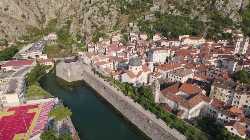
Kotor is one of Montenegro's most remarkable historic towns, located at the end of the spectacular Bay of Kotor and surrounded by steep limestone mountains. Its well-preserved medieval center, protected as a UNESCO World Heritage Site, is famous for its maze of narrow streets, charming squares, Venetian architecture, and centuries of maritime history. Walking through the Old Town reveals impressive stone buildings, churches, cafés, and hidden courtyards that reflect the town's importance as a trading port under Venetian rule. The city is home to several fascinating museums that introduce visitors to Kotor's rich cultural heritage. The Maritime Museum of Montenegro showcases centuries of seafaring tradition through collections of ship models, navigational instruments, uniforms, maps, and historical documents. The Kotor City Museum presents archaeological discoveries, historical artifacts, and exhibitions illustrating the development of the town from ancient times to the modern era. Art lovers can also visit the Cats Museum Kotor, a unique museum dedicated to the cats that have become one of the city's most recognizable symbols, featuring artwork, photographs, postcards, and memorabilia from around the world. Dominating the skyline above the town is the impressive San Giovanni Fortress, also known as St. John's Fortress. Reached by climbing more than a thousand stone steps along the ancient city walls, the fortress rewards visitors with breathtaking panoramic views over the Bay of Kotor and the red rooftops of the Old Town. Another architectural highlight is the Cathedral of Saint Tryphon, originally consecrated in 1166. This Romanesque cathedral is one of Montenegro's most important religious monuments, admired for its elegant façade, richly decorated interior, and valuable collection of sacred art. Among Kotor's many historic landmarks are the Clock Tower in the Main Square, the Sea Gate, which has served as the principal entrance to the city for centuries, and the Church of Saint Luke, a small medieval church that has welcomed both Catholic and Orthodox worshippers during different periods of its history. The ancient defensive walls surrounding the city are among the best preserved in the Adriatic and remain one of Kotor's defining features. Today, Kotor combines exceptional history, stunning natural scenery, and a vibrant cultural atmosphere. Whether exploring its museums, climbing to San Giovanni Fortress, admiring Cathedral of Saint Tryphon, or wandering through its medieval streets, visitors discover one of the Adriatic's most captivating destinations.
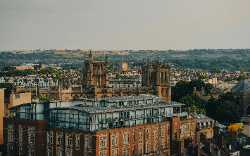
Bristol is one of England’s most distinctive cities, a place where history, creativity, and a spirit of independence meet. Sitting on the River Avon and close to the Severn Estuary, it has long been shaped by water. Its harbour was once the centre of maritime trade, sending ships across the world, and today that same waterfront has been transformed into a lively cultural hub filled with museums, galleries, restaurants, and music venues. Walking through Bristol, you quickly sense its mix of old and new. Medieval churches and Georgian terraces stand beside bold street art and modern architecture. The city is famously linked with Banksy, and his work still decorates walls across neighbourhoods like Stokes Croft, making Bristol something of an open-air gallery. One of its most iconic sights is the Clifton Suspension Bridge, designed by Isambard Kingdom Brunel. Spanning the dramatic Avon Gorge, it has become a symbol of the city and a must-visit viewpoint. Brunel’s influence can also be seen in the SS Great Britain, once the largest ship in the world, now beautifully restored and moored in the harbour where visitors can step back into the 19th century. Bristol’s character is shaped by its people – inventive, outward-looking, and proud of their independent identity. The city has a strong musical heritage, from the trip-hop sounds of Massive Attack and Portishead to its thriving live music scene today. It is also known for its festivals, from the famous International Balloon Fiesta, where hundreds of hot air balloons rise over the city, to Harbour Festival celebrations along the docks. Green spaces are never far away, with parks like Brandon Hill offering views over the rooftops and Leigh Woods providing calm on the edge of the gorge. The surrounding countryside, including the Cotswolds and Somerset, adds to Bristol’s appeal as a gateway to the southwest. What makes Bristol so engaging is its balance – it feels historic yet modern, energetic yet relaxed. Whether you’re exploring its harbourside, wandering through Clifton’s elegant streets, or simply soaking up its creative spirit, Bristol leaves an impression of a city that values both its roots and its constant reinvention.
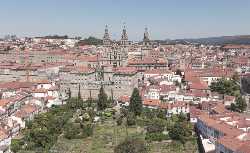
Santiago de Compostela, the capital of Galicia in north-western Spain, is one of Europe’s most important historic and spiritual cities. Best known as the final destination of the Camino de Santiago, it has attracted pilgrims from across Europe for more than a thousand years. According to tradition, the remains of Saint James the Apostle were discovered here in the 9th century. This discovery transformed Santiago into a major pilgrimage centre during the Middle Ages, placing it on a level of importance comparable to Rome or Jerusalem. The city grew around the shrine, developing into a powerful religious, cultural, and economic hub. At the heart of the city stands the Cathedral of Santiago de Compostela, an outstanding example of Romanesque architecture later enriched with Gothic and Baroque elements. Its richly decorated façade, vast interior, and the famous Botafumeiro incense burner create a powerful and unforgettable experience for visitors. Surrounding the cathedral is a maze of narrow stone streets, small squares, and arcaded buildings that form the historic old town, now a UNESCO World Heritage Site. Beyond its religious significance, Santiago de Compostela is a lively university city with a strong cultural identity. The University of Santiago, founded in 1495, is one of Spain’s oldest and gives the city a youthful energy. Traditional Galician music, festivals, and cuisine—especially seafood, octopus (pulpo a la gallega), and local wines—are central to daily life. Today, Santiago de Compostela blends spirituality, history, and modern life. Whether arriving as a pilgrim after weeks of walking or as a traveler exploring its monuments, the city offers a unique atmosphere shaped by centuries of faith, learning, and human movement across Europe.
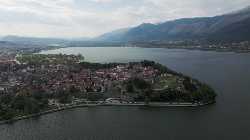
Ioannina, the capital of the Epirus region in northwestern Greece, is a city where history, culture and natural beauty come together on the shores of Lake Pamvotis. Known for its rich Byzantine and Ottoman heritage, Ioannina has long been an important cultural and commercial centre. Its charming old quarter, lakeside promenade and lively cafés make it one of Greece's most rewarding destinations for visitors seeking both history and authentic local life. At the heart of the city stands the magnificent Ioannina Castle, one of the oldest continuously inhabited Byzantine fortifications in Greece. Expanded over the centuries by Byzantine rulers and later by Ali Pasha, the castle encloses narrow streets, historic buildings and impressive monuments. Within its walls are the well-preserved Aslan Pasha Mosque and the Fethiye Mosque, while the nearby Byzantine Museum of Ioannina presents valuable icons, sculptures and religious artefacts illustrating the region's long history. Ioannina is home to several excellent museums. The Archaeological Museum of Ioannina showcases artefacts from prehistoric times to the Roman period, highlighting the rich heritage of Epirus. The Municipal Ethnographic Museum of Ioannina, located inside the castle, explores the city's multicultural past through displays of traditional costumes, manuscripts and everyday objects. Visitors can also discover the Silversmithing Museum, dedicated to the famous silver craftsmanship that has made Ioannina renowned throughout Greece for centuries. Among the city's historic landmarks, the Clock Tower of Ioannina remains a familiar symbol in the centre, while the old stone walls, traditional mansions and lakeside district preserve the atmosphere of earlier centuries. A short boat journey across Lake Pamvotis leads to the picturesque Island of Ioannina, famous for its monasteries and peaceful walking paths. The Monastery of Saint Panteleimon, where Ali Pasha spent his final days, is one of the island's most visited historic sites. Religious architecture also plays an important role in the city's heritage. The Cathedral Church of Saint Athanasios serves as the principal Orthodox cathedral of Ioannina and stands as a symbol of the city's spiritual life. With its impressive castle, fascinating museums, historic churches and beautiful lakeside setting, Ioannina offers an unforgettable journey through more than two thousand years of Greek history while retaining the welcoming atmosphere of a vibrant modern city.
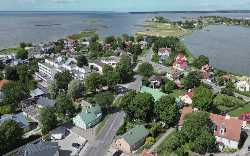
Haapsalu is one of the most charming seaside towns in Estonia, located on the western coast along the Baltic Sea. Known for its peaceful atmosphere, wooden architecture, narrow streets, and relaxing spa culture, Haapsalu has long been a favorite summer destination for both Estonians and international visitors. The town is famous for its beautiful waterfront, historic buildings, and rich cultural heritage connected with the Russian imperial family. The most important landmark in Haapsalu is Haapsalu Castle, a medieval episcopal castle founded in the 13th century. Visitors can explore the ancient fortress walls, towers, cathedral ruins, and museum exhibitions while enjoying panoramic views of the town and sea. According to local legend, the castle is also home to the famous “White Lady” ghost. Another popular attraction is the Haapsalu Promenade, a scenic seaside walkway lined with parks, cafés, sculptures, and viewing platforms. Nearby stands the elegant Kuursaal, a historic wooden resort hall considered one of the finest examples of wooden architecture in Estonia. Railway history lovers can visit the Haapsalu Railway Station, famous for its unusually long covered platform built for the Russian tsar’s train. The station also contains railway exhibitions and historic locomotives. Nature enthusiasts can enjoy the peaceful Paralepa Beach, known for its shallow warm waters and sandy shoreline, perfect for summer swimming and relaxing walks. Birdwatchers often visit the nearby coastal wetlands and observation towers around Matsalu National Park, one of Northern Europe’s best bird migration areas. Haapsalu is also well known for its spas and wellness centers. Since the 19th century, visitors have come here to enjoy therapeutic mud treatments and the calm seaside environment. Throughout the year, the town hosts festivals, concerts, and cultural events, including the popular White Lady Festival and classical music performances. With its combination of medieval history, relaxing coastal scenery, and cultural charm, Haapsalu offers visitors a unique and peaceful experience unlike anywhere else in Estonia.
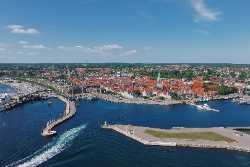
Elsinore, known to the Danes as Helsingør, stands as a profound testament to the enduring power of geography and the whims of royal ambition. Situated at the narrowest point of the Øresund Strait, where only four kilometers of cold Baltic water separate Denmark from Sweden, the city has for centuries acted as the gatekeeper of the North. Its identity was fundamentally forged in the 15th century when King Eric of Pomerania established the Sound Dues, a mandatory toll for every ship passing through the strait. This tax transformed a small fishing village into a cosmopolitan hub of immense wealth and strategic importance, as the Danish Crown grew rich on the trade of the world. The echoes of this golden era are still visible in the city's historic center, which remains one of the best-preserved medieval and Renaissance quarters in Northern Europe, characterized by its winding cobblestone streets and meticulously maintained half-timbered merchant houses. At the heart of Elsinore’s international fame is Kronborg Castle, a fortress that commands the skyline with its formidable towers and copper-green roofs. While its primary purpose was to enforce the collection of the Sound Dues, its secondary legacy is literary. Shakespeare chose this "Elsinore" as the setting for Hamlet, immortalizing the castle as a place of brooding ghosts and tragic moral dilemmas. Though the Bard likely never set foot on the ramparts himself, the castle’s reputation for grandeur and intrigue traveled across the sea to London, forever linking the Danish town to the pinnacle of English literature. Today, the castle is a UNESCO World Heritage site, housing the legendary stone figure of Holger the Dane in its subterranean casemates, who is said to sleep until the kingdom faces its greatest peril. As the industrial age approached, Elsinore shifted from a city of tolls to a city of iron and steam, anchored by its massive shipyard. However, the true modern genius of the city lies in its recent cultural renaissance. Instead of allowing its industrial ruins to decay, Elsinore transformed its former shipyard into the Culture Yard (Kulturværftet), a striking fusion of glass and original masonry that serves as the city’s intellectual heart. Nearby, the M/S Maritime Museum of Denmark represents a masterclass in contemporary architecture. Hidden entirely underground within an old dry dock, the museum tells the story of Denmark’s seafaring history without obstructing the view of the historic Kronborg. This seamless blend of ancient legend, royal history, and avant-garde design makes Elsinore a unique destination that remains as vital today as it was when the first toll was collected six centuries ago.
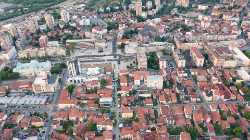
Kruševac is one of Serbia's most historic cities, best known as the medieval capital of Prince Lazar and an important center of the Moravian Serbian state. Founded in the late 14th century, the city played a crucial role in Serbian history before the Battle of Kosovo in 1389. Today, Kruševac combines its rich medieval heritage with museums, monuments and cultural attractions that make it one of the country's most rewarding historical destinations. The city's most famous landmark is the Kruševac Fortress, also known as Lazar's Town, where Prince Lazar established his royal residence. Although only parts of the original walls, towers and palace remain, visitors can still explore the impressive archaeological park and imagine the grandeur of the medieval capital. Within the fortress stands the beautiful Lazarica Church, built between 1375 and 1378. This masterpiece of the Morava architectural school is considered one of Serbia's finest medieval churches and remains an active place of worship. Kruševac is also home to several excellent museums. The National Museum Kruševac preserves archaeological discoveries, historical artifacts, ethnographic collections and works of art that illustrate the development of the city and the surrounding Rasina region from prehistoric times to the modern era. The House of Simić, one of the oldest preserved Ottoman-era buildings in the city, serves as a museum presenting the history of medieval Kruševac and Prince Lazar's capital. Art enthusiasts can visit the Art Gallery of the National Museum, which hosts exhibitions of Serbian painters, sculptors and contemporary artists. Another important historical site is the Monument to the Kosovo Heroes, an iconic memorial dedicated to those who fought in the Battle of Kosovo. Created in the early 20th century, it has become one of the city's best-known symbols and a gathering place for commemorative events. Nearby, Slobodište Memorial Park honors the victims of the Second World War with striking monuments and peaceful walking paths, combining history with nature. Modern Kruševac offers lively pedestrian streets, cafés, cultural festivals and traditional Serbian hospitality while carefully preserving its remarkable past. Whether exploring the medieval fortress, admiring the architecture of Lazarica Church, discovering the collections of the National Museum Kruševac, visiting the House of Simić and the Art Gallery, or reflecting at the Monument to the Kosovo Heroes, visitors experience a city where centuries of Serbian history remain vividly alive.
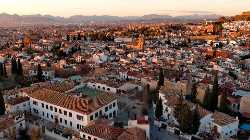
Granada is one of Spain’s most enchanting cities, a place where cultures, centuries, and landscapes blend seamlessly at the foot of the Sierra Nevada mountains. Located in the heart of Andalusia, Granada is best known for its extraordinary Moorish heritage, lively student atmosphere, and dramatic setting between snowy peaks and fertile plains. The city’s defining symbol is the Alhambra, a masterpiece of Islamic architecture and one of Europe’s most visited monuments. Its delicate palaces, peaceful courtyards, and flowing water features reflect the sophistication of the Nasrid dynasty, while the Generalife gardens offer sweeping views over Granada and the surrounding hills. At sunset, the Alhambra’s walls glow with warm tones, creating one of the most memorable sights in Spain. Below the Alhambra lies the Albaicín, Granada’s oldest neighborhood. This maze of narrow, whitewashed streets preserves the city’s medieval Islamic character. Walking through the Albaicín feels like stepping back in time, especially at viewpoints such as Mirador de San Nicolás, where the Alhambra stands framed by the snow-capped Sierra Nevada. Nearby, the Sacromonte district is famous for its cave houses and flamenco tradition, offering an authentic glimpse into Andalusian Romani culture. Granada is also a city of contrasts. Renaissance and Baroque landmarks like the Cathedral of Granada and the Royal Chapel, where the Catholic Monarchs Ferdinand and Isabella are buried, highlight the city’s Christian legacy after the Reconquista. Modern Granada, shaped by its large university population, is vibrant and youthful, with bustling plazas, cafés, and a renowned tapas culture—often served free with drinks. With its rich history, stunning architecture, mountain backdrop, and relaxed Andalian lifestyle, Granada offers a unique and deeply atmospheric experience. It is a city that rewards slow exploration and leaves a lasting impression on all who visit.
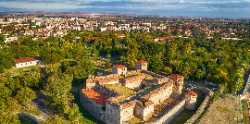
Vidin is one of Bulgaria's oldest and most picturesque cities, situated on the southern bank of the Danube River near the borders with Romania and Serbia. Throughout its long history, the city has been an important military, commercial, and cultural centre. Today, visitors are drawn to its impressive medieval monuments, riverside promenade, museums, and well-preserved historic architecture that reflect centuries of Roman, Bulgarian and Ottoman influence. The city's most famous landmark is Baba Vida Fortress, the best-preserved medieval castle in Bulgaria. Standing beside the Danube, the fortress dates back to the 10th century and offers visitors a fascinating journey through medieval defensive architecture, towers, walls and exhibitions while providing panoramic views over the river. Vidin is also home to several excellent museums. The Konaka History Museum presents the history of the region from prehistoric times through the medieval and Ottoman periods. The Krastata Kazarma Ethnographic Museum is housed in a distinctive 18th-century cross-shaped barracks and displays traditional costumes, crafts and everyday life from northwestern Bulgaria. Art enthusiasts can visit the Nikola Petrov Art Gallery, which exhibits works by the celebrated Bulgarian painter Nikola Petrov together with changing exhibitions by contemporary artists. One of the city's architectural highlights is the Cathedral of St. Dimitar, an impressive Orthodox cathedral completed in the late 19th century. Its elegant interior and richly decorated iconostasis make it one of the largest and most significant churches in Bulgaria. Walking through Vidin's historic centre reveals many attractive landmarks. The Osman Pazvantoglu Library, one of the oldest public libraries in Bulgaria, stands next to the unusual Mosque and Library of Osman Pazvantoglu, distinguished by its unique heart-shaped finial. The city is also known for the Stambol Kapia Gate, the only preserved gate of the old fortified walls, and the riverside Danube Park, a pleasant green space perfect for relaxing while enjoying views of Europe's second-longest river. Combining medieval fortifications, fascinating museums, elegant religious buildings and a beautiful riverside setting, Vidin offers visitors an authentic glimpse into Bulgaria's rich cultural heritage. Whether exploring Baba Vida Fortress, discovering local history in its museums or strolling along the Danube, the city provides a memorable destination filled with history and charm.
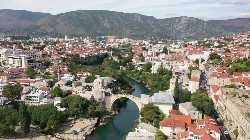
Mostar is one of the most beautiful and historic cities in Bosnia and Herzegovina, located on the banks of the Neretva River. Famous for its blend of Ottoman, Mediterranean, and Austro-Hungarian architecture, the city has long been a meeting point of different cultures and traditions. Its picturesque old town, lively markets, and riverside cafés make Mostar one of the country's most popular destinations. The city's greatest landmark is the Old Bridge, known as Stari Most, a UNESCO World Heritage Site. Built in the 16th century during the Ottoman period, the elegant stone bridge spans the emerald waters of the Neretva River and has become an international symbol of Mostar. Visitors often gather to watch the famous bridge divers leap into the river below, a tradition that has continued for generations. One of Mostar's most impressive historic buildings is the Bishop's Palace, an elegant residence associated with the Catholic Diocese of Mostar-Duvno. Another notable religious landmark is the Cathedral of Mary, Mother of the Church, a modern Roman Catholic cathedral that serves as an important center of worship for the city. Museum lovers will find several fascinating places to explore. The Museum of Herzegovina preserves archaeological discoveries, ethnographic collections, historical artifacts, and works of art that tell the story of the region. The Museum of the Old Bridge presents the history, construction, destruction, and reconstruction of Stari Most through multimedia exhibits and archaeological remains. The War Photo Exhibition offers a powerful photographic record of life in Mostar during the Bosnian War, providing valuable historical insight into the city's recent past. Walking through the cobbled streets of the Old Bazaar, known as Kujundžiluk, visitors will discover traditional craft shops, stone houses, cafés, and restaurants serving local Bosnian specialties. Historic landmarks such as the Crooked Bridge, Koski Mehmed Pasha Mosque, and the Clock Tower further highlight the city's rich architectural heritage. Mostar also serves as an excellent base for exploring nearby attractions, including the Buna River spring at Blagaj and the spectacular Kravica Waterfalls. Whether admiring the iconic Stari Most, visiting the Museum of Herzegovina, the Museum of the Old Bridge, and the War Photo Exhibition, exploring the Bishop's Palace, or wandering through the historic streets of the old town, Mostar offers an unforgettable journey through centuries of history, culture, and architectural beauty.
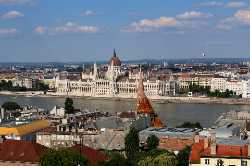
Budapest, a city bisected by the majestic Danube, hums with a unique energy born from the confluence of thermal springs, imperial history, and a distinctly resilient spirit. Forget predictable tourist tropes; Budapest offers a deeper dive into a captivating narrative woven with unexpected threads. Consider this: beneath the city's elegant facade lies an extensive network of caves, the largest thermal cave system in the world. These subterranean wonders, formed by the very same mineral-rich waters that feed Budapest's famed spas, can be explored, revealing a hidden world of geological marvel. This "City of Caves" offers an intriguing counterpoint to its grand architecture above ground. Intriguingly, Budapest wasn't always a singular entity. It was born in 1873 from the unification of three distinct towns: Buda, Óbuda, and Pest, each retaining its own character and charm. Buda, with its hilly terrain and historic castle district, exudes a regal air, while Pest, sprawling on the eastern bank, pulses with urban vibrancy and cultural dynamism. This triune origin contributes to the city's multifaceted personality. Another fascinating aspect of Budapest lies in its pioneering spirit in transportation. The city boasts the second-oldest metro line in the world after London's, and the first on continental Europe. Opened in 1896, the Millennium Underground (Line M1) is a UNESCO World Heritage site in itself, its charming yellow trains a nostalgic reminder of a bygone era. Beyond its architectural and subterranean wonders, Budapest holds a poignant claim to a surprising invention: the Rubik's Cube. Ernő Rubik, the puzzle's ingenious creator, was born in Budapest, his creation becoming a global phenomenon that continues to challenge and fascinate. This connection to a world-renowned puzzle speaks to the city's intellectual curiosity and innovative spirit. Furthermore, the Hungarian language, the official tongue of Budapest, is an enigma to most Europeans. Belonging to the Finno-Ugric language family, it shares closer ties with Finnish and Estonian than its Slavic or Germanic neighbors. Its unique grammar and vocabulary make it a fascinating linguistic puzzle, reflecting Hungary's distinct cultural heritage in the heart of Europe. Finally, standing tall on the Pest side of the Danube, the Hungarian Parliament Building is not just a stunning example of Gothic Revival architecture; its height is deliberately symbolic. At 96 meters tall, it shares the same elevation as St. Stephen's Basilica, a height chosen to commemorate the year 896 AD, the traditional date of the Magyar conquest of the Carpathian Basin. No other building in Budapest is permitted to surpass this height, a subtle yet powerful nod to the nation's founding. To wander Budapest is to encounter a city where history, innovation, and a touch of playful mystery intertwine, creating an experience far richer than any simple list of sights could convey.
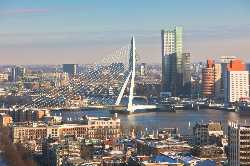
Rotterdam is the second-largest city in the Netherlands and one of Europe’s most important port cities. Located in the province of South Holland, Rotterdam lies along the Nieuwe Maas River and forms the heart of the vast Port of Rotterdam—the largest seaport in Europe. Because of its strategic location near the North Sea and the Rhine-Meuse delta, the city has long been a vital gateway for international trade and shipping. Rotterdam’s history dates back to the 13th century when a dam was built in the Rotte River, giving the city its name. Over time it developed into a busy commercial town and later into a major global port. However, much of the historic city center was destroyed during the Rotterdam Blitz in World War II. After the war, Rotterdam was rebuilt with a bold vision for the future. Instead of recreating the old streets, the city embraced modern architecture and innovative urban planning. Today Rotterdam is famous for its striking skyline and contemporary buildings. One of the most recognizable landmarks is the Erasmus Bridge, often called “The Swan” because of its elegant shape. The bridge connects the northern and southern parts of the city and has become a symbol of Rotterdam’s modern identity. Another architectural highlight is the Cube Houses, designed by architect Piet Blom. These unusual tilted cube-shaped homes are built above pedestrian walkways and have become one of the city’s most photographed attractions. Rotterdam is also known for its vibrant cultural life. The city hosts major international events such as the International Film Festival Rotterdam, which attracts filmmakers and visitors from around the world. Museums, art galleries, music venues, and modern public spaces give the city a creative and dynamic atmosphere. Visitors often explore the waterfront areas, lively markets, and innovative architecture that define Rotterdam today. Unlike many historic Dutch cities with medieval centers, Rotterdam stands out for its modern character and forward-looking spirit. Its combination of global trade, cutting-edge design, and cultural diversity makes Rotterdam one of the most unique and energetic cities in the Netherlands.
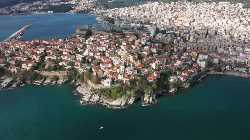
Kavala is one of northern Greece's most attractive coastal cities, combining a rich maritime heritage with impressive Ottoman and Byzantine monuments. Built amphitheatrically on the slopes of the Symvolo Mountains and overlooking the Aegean Sea, the city has been an important trading port for centuries. Today, visitors can explore its picturesque old quarter, bustling waterfront and a wealth of historical and cultural attractions. The city's history is presented through several excellent museums. The Archaeological Museum of Kavala houses remarkable finds from ancient Neapolis, Philippi and the surrounding region, including sculptures, pottery and inscriptions. The Tobacco Museum of Kavala tells the story of the tobacco industry that transformed the city into one of the most important commercial centres in the Balkans during the late nineteenth and early twentieth centuries. Art lovers can visit the Municipal Tobacco Warehouse, a restored historic building that hosts contemporary art exhibitions, cultural events and temporary exhibitions throughout the year. Dominating the skyline is the impressive Castle of Kavala, a medieval fortress that occupies the site of the ancient acropolis. Its defensive walls, towers and panoramic viewpoints offer spectacular views across the harbour and the Aegean Sea while illustrating the city's strategic importance through Byzantine and Ottoman times. One of Kavala's most recognisable landmarks is the Kamares Aqueduct, a magnificent sixteenth-century Ottoman aqueduct built during the reign of Sultan Suleiman the Magnificent. With its soaring stone arches crossing the western entrance to the old town, it remains one of the finest preserved monuments of its kind in Greece. The historic Panagia district forms the heart of old Kavala, where narrow cobbled streets wind past traditional houses, charming cafés and centuries-old churches. The Cathedral of Saint Paul stands as the city's principal Orthodox cathedral, commemorating the Apostle Paul's visit to ancient Neapolis during his first journey into Europe. Nearby, the Imaret, an elegant nineteenth-century Ottoman complex founded by Muhammad Ali Pasha, reflects Kavala's multicultural past with its beautiful domes, courtyards and architecture. Whether exploring fascinating museums, walking along the harbour promenade, climbing to the Castle of Kavala or admiring the remarkable Kamares Aqueduct, visitors discover a city where ancient, Byzantine and Ottoman history blend with modern Greek culture, making Kavala one of the most rewarding destinations in northern Greece.
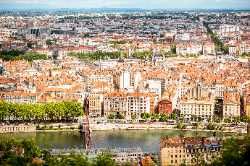
Lyon, the third-largest city in France, is a vibrant destination where 2,000 years of history blend seamlessly with modern urban life. Located at the confluence of the Rhône and Saône rivers, the city is known for its Renaissance architecture, ancient Roman sites, and world-famous culinary traditions. Lyon’s compact centre makes it easy for visitors to explore its diverse neighbourhoods, each offering a unique atmosphere. The historic heart of Lyon lies in Vieux Lyon, one of Europe’s largest Renaissance districts. Its narrow cobbled streets, colourful façades, and hidden traboules—secret passageways once used by silk workers—create a sense of mystery and charm. Above the district stands the Basilica of Notre-Dame de Fourvière, whose hilltop viewpoint provides sweeping panoramas of the entire city. Just nearby, visitors can discover the Roman theatres of Fourvière, a reminder of the city’s origins as the ancient capital of Roman Gaul. Across the river, the Presqu’île district impresses with grand squares such as Place Bellecour and Place des Terreaux. This lively area is filled with shops, cafés, and cultural institutions, including the Museum of Fine Arts, often called a “little Louvre.” To the north lies the elegant Croix-Rousse hill, once the centre of Lyon’s silk industry; today it remains a creative neighbourhood with markets, murals, and a village-like feel. Lyon is also celebrated as the gastronomic capital of France. Traditional bouchons serve hearty dishes such as quenelles, sausages, and praline tarts, while the legacy of legendary chef Paul Bocuse lives on in local markets and restaurants. The Halles de Lyon – Paul Bocuse offers a paradise for food lovers, filled with cheeses, pastries, and regional delicacies. Modern architecture shines at the Confluence district, a striking eco-friendly area with bold buildings, riverside promenades, and the iconic Musée des Confluences. Parks such as the vast Parc de la Tête d’Or provide green escapes in the heart of the city. Blending rich heritage, exceptional cuisine, and dynamic neighbourhoods, Lyon offers an unforgettable experience for every visitor. Whether wandering its ancient streets or enjoying its modern vibrancy, Lyon stands as one of France’s most captivating cities.
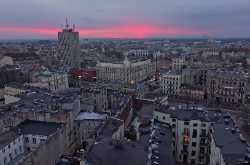
Łódź is one of the most unique cities in Poland, located in the heart of the country. Once a small settlement, it grew rapidly in the 19th century into a major industrial centre, especially known for its textile factories. This industrial past still shapes the city’s character today, giving Łódź a distinct atmosphere unlike any other Polish city. The main artery of the city is Piotrkowska Street, one of the longest commercial streets in Europe. Stretching for over 4 kilometres, it is lined with historic townhouses, restaurants, shops, and cultural venues. Walking along this street is the best way to experience the city’s energy and architectural diversity. Łódź is famous for its revitalised industrial complexes, especially Manufaktura. Once a massive factory owned by industrialist Izrael Poznański, it has been transformed into a modern space with museums, galleries, restaurants, and entertainment facilities, while preserving its historic red-brick buildings. Another highlight is EC1 Łódź, a former power plant turned into a cultural and educational complex. It includes exhibitions, a science centre, and a planetarium, making it a popular attraction for visitors of all ages. Łódź is also known as the centre of Polish film. The prestigious National Film School in Łódź has educated many famous directors, including Roman Polański and Andrzej Wajda. Because of this, the city is often called the “Hollywood of Poland.” In recent years, Łódź has reinvented itself as a hub of creativity. Street art can be found throughout the city, with large murals decorating building walls and adding colour to the industrial landscape. Festivals, cultural events, and a growing café scene attract young people and tourists alike. Although it may not have the traditional charm of cities like Kraków or Gdańsk, Łódź offers something different—an authentic mix of history, culture, and modern urban life. It is a city that continues to transform, making it one of Poland’s most interesting destinations to explore.
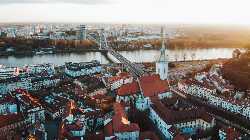
Bratislava, the charming capital of Slovakia, often surprises visitors with its intriguing blend of historical significance and quirky modern touches. Nestled along the majestic Danube River, it holds a unique geographical distinction: it's the only capital city in the world that directly borders two independent countries, Austria and Hungary, a fact that has profoundly shaped its multicultural heritage. This tri-border location, just a stone's throw from Vienna, has fostered a rich tapestry of influences throughout its long history. Speaking of names, Bratislava hasn't always been known as such. Throughout its dynamic past, it has been called Pressburg in German, Pozsony in Hungarian, and Prešporok in Slovak, each moniker reflecting the dominant cultural influence of the time. The official adoption of the name Bratislava only occurred in 1919, following the creation of Czechoslovakia after World War I, a deliberate choice to emphasize its Slavic roots. For centuries, Bratislava held a vital role as the coronation city for the Kingdom of Hungary, a period that lasted from 1563 to 1830. During this significant era, no fewer than nineteen Habsburg monarchs, including the formidable Maria Theresa, were crowned in the magnificent St. Martin's Cathedral. The cathedral's tower still bears a replica of the Hungarian royal crown, a gleaming reminder of the city's regal past. To walk the Coronation Route, marked by brass crowns embedded in the pavement, is to trace the steps of emperors and queens. Adding a touch of the unexpected to Bratislava's skyline is the Nový Most, or New Bridge, often referred to as the UFO Bridge due to the distinct flying saucer-shaped structure perched atop its single pylon. This futuristic design, offering panoramic views of the city and the Danube, stands in stark contrast to the medieval charm of the Old Town, symbolizing Bratislava's embrace of modernity while acknowledging its history. Scattered throughout Bratislava's enchanting Old Town, a collection of whimsical statues adds a playful element to its historical ambiance. Perhaps the most photographed is Čumil, "The Watcher," a bronze figure peeking out from a manhole with a mischievous grin. Then there's Schöne Náci, a dapper gentleman eternally tipping his hat to passersby, a tribute to a beloved local eccentric of the past. These quirky artistic additions inject a sense of humor and approachability into the city's historical fabric. Bratislava's deep connection to classical music is another compelling facet of its identity. Renowned composers such as Franz Liszt and Béla Bartók graced its halls with their performances, and the city proudly boasts the Slovak Philharmonic Orchestra, one of the oldest in Europe. Even a young Wolfgang Amadeus Mozart is believed to have given a concert in Bratislava in 1762, a testament to the city's long-standing appreciation for musical excellence. These intriguing details, far from being mere footnotes, illuminate the multifaceted character of Bratislava, a city where imperial echoes resonate alongside modern innovation and a playful artistic spirit. To visit Bratislava is to uncover a capital that seamlessly blends its rich history with a vibrant contemporary life, offering a unique and captivating experience for all who explore its charming streets.
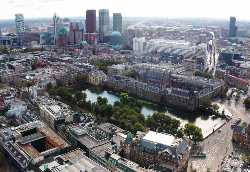
The Hague, known in Dutch as Den Haag, is a city of politics, diplomacy and seaside elegance on the western coast of the Netherlands. Although Amsterdam is the country’s official capital, The Hague is the seat of the Dutch government and home to the royal court. With its wide avenues, historic buildings and location near the North Sea, the city combines international importance with a relaxed coastal atmosphere. The political heart of the Netherlands lies at the Binnenhof, a medieval complex beside the Hofvijver lake. Here you find the Dutch parliament and the office of the Prime Minister. At the centre stands the historic Hall of Knights, still used for important state ceremonies. Nearby, Noordeinde Palace serves as the working palace of the Dutch king, adding a royal touch to the city’s identity. The Hague is also known worldwide as the “City of Peace and Justice.” The Peace Palace houses the International Court of Justice and the Permanent Court of Arbitration, making the city a global centre for international law. Diplomats and legal experts from around the world live and work here, giving The Hague a distinctly international character. Beyond politics, the city offers culture and art. The Mauritshuis museum displays masterpieces of Dutch Golden Age painting, including works by Vermeer and Rembrandt. Elegant 19th-century neighbourhoods, leafy parks and spacious squares give the city a refined feel. Compared to other Dutch cities, The Hague often feels calmer and more formal, yet it remains welcoming and lively. One of The Hague’s greatest attractions is its coastline. The district of Scheveningen is famous for its long sandy beach, pier and seaside promenade. On warm days, locals and visitors relax by the sea, enjoy fresh seafood or watch the sunset over the North Sea. This easy access to the beach makes The Hague unique among major European political capitals. Modern architecture stands alongside historic buildings, especially around the central station area. Skyscrapers and contemporary design reflect the city’s forward-looking spirit while respecting its historic roots. Today, The Hague successfully balances its roles as political centre, international legal hub and pleasant seaside city. It is a place where global decisions are made, yet everyday life moves at a comfortable pace — a city where history, diplomacy and coastal charm meet.
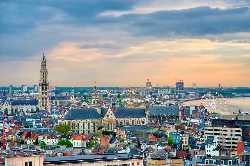
Antwerp is Belgium’s second-largest city and one of Europe’s great historic ports. Set on the banks of the River Scheldt, it has long been a gateway between the North Sea and the European interior. Its history stretches back to the Middle Ages, but the city truly flourished in the 16th century, when it became one of the richest trading centres in the world. Merchants from Spain, Italy, England and Germany filled its quays, and wealth poured into grand houses, guild halls and churches. At the heart of Antwerp stands the impressive Cathedral of Our Lady, a masterpiece of Gothic architecture. Its soaring tower dominates the skyline and houses famous paintings by the Baroque master Peter Paul Rubens, who lived and worked in the city. Rubens helped shape Antwerp’s artistic identity, turning it into a centre of Baroque art that attracted talent from across Europe. Antwerp is also known worldwide as the diamond capital. For centuries, traders and craftsmen in the Diamond Quarter have handled and cut a large share of the world’s rough diamonds. This trade helped the city remain prosperous even after its Golden Age ended. The modern Port of Antwerp-Bruges is one of the largest in Europe, still driving the local economy. Huge container ships and oil tankers arrive daily, linking Belgium to global markets. Yet despite its industrial strength, Antwerp remains elegant and creative. The historic Grote Markt, with its ornate guild houses and Renaissance city hall, reflects civic pride and wealth. Nearby streets mix independent fashion boutiques with lively cafés and restaurants. Fashion is another strong identity of Antwerp. The city gained international recognition in the late 20th century thanks to innovative designers from the Royal Academy of Fine Arts, often called the “Antwerp Six.” Their bold ideas put the city firmly on the global style map. Today, Antwerp blends past and present with confidence. Medieval streets meet modern architecture, busy docks contrast with quiet riverside walks, and centuries of art, trade and culture continue to shape daily life. It is a city that feels both historic and forward-looking — proud of its heritage, yet always open to the world.
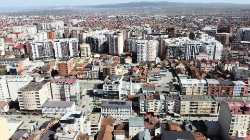
Ferizaj is one of Kosovo's youngest cities, yet it has become an important cultural, commercial, and transportation hub in the southeastern part of the country. Founded in the late nineteenth century during the construction of the railway connecting Central Europe with the Balkans, the city has grown rapidly while preserving a number of historical and cultural attractions that reflect its diverse heritage. One of Ferizaj's most remarkable landmarks is the unique complex where the Cathedral of Uroševac, also known as the Cathedral of St. Uroš, stands beside the Madhe Mosque. Built close to one another, these two places of worship symbolize the city's long tradition of religious coexistence and mutual respect, making the area one of the most photographed sites in Kosovo. Visitors interested in history can explore the Ferizaj Museum, which presents archaeological discoveries, ethnographic collections, and exhibits illustrating the development of the city and surrounding region. The nearby Museum of the Kosovo Village in Ferizaj showcases traditional rural architecture, household objects, and local customs, while the Museum of the Bifurcation in nearby Nerodime explains the rare natural phenomenon where the Nerodime River divides and flows toward both the Adriatic and Aegean Seas. Although Ferizaj does not have a castle within the city itself, the historic Petrešti Castle, located a short drive from the city, is a popular excursion for visitors interested in medieval fortifications and the history of the surrounding region. Nature lovers often visit the Nerodime River Bifurcation, one of Europe's rare hydrological phenomena, while the nearby village of Jezerc offers access to the Sharr Mountains, renowned for hiking, wildlife, and spectacular landscapes. The city's central promenade, lively cafés, restaurants, and local markets create a welcoming atmosphere where visitors can experience everyday life in Kosovo. Throughout the year, Ferizaj hosts cultural festivals, concerts, and community events that celebrate local traditions and contemporary arts. Combining modern urban life with historic landmarks, museums, religious monuments, and easy access to natural attractions, Ferizaj offers an interesting destination for travelers exploring the cultural diversity and heritage of southeastern Kosovo.
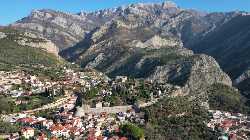
Bar is one of Montenegro's most diverse coastal destinations, combining a modern Adriatic waterfront with centuries of history. Located between the sea and the slopes of Mount Rumija, the city is known for its pleasant beaches, lively marina, and remarkable cultural heritage that reflects the influence of Illyrian, Roman, Byzantine, Venetian, and Ottoman civilizations. One of the most fascinating places to visit is Stari Bar, the old fortified town situated several kilometres inland. Surrounded by impressive stone walls, this historic settlement preserves the remains of churches, palaces, aqueducts and traditional houses that tell the story of more than a thousand years of history. Nearby stands the famous Old Olive Tree of Mirovica, believed to be over 2,000 years old, making it one of the oldest olive trees in Europe and an important natural and historical landmark. Visitors interested in culture can explore several museums. King Nikola's Palace Museum, located on the seafront, was once the summer residence of Montenegro's royal family and today displays historical furniture, photographs, archaeological finds and exhibitions dedicated to the country's past. The Museum of Stari Bar, situated within the ancient fortress, presents archaeological discoveries, medieval artefacts and exhibits explaining the development of the old town. Another worthwhile stop is the Ethnographic Museum at King Nikola's Palace, where visitors can discover traditional costumes, household objects and local customs from the Bar region. The city's most prominent historic residence is King Nikola's Palace, an elegant royal complex overlooking the Adriatic Sea. Although relatively modest compared to Europe's grand royal residences, it remains one of Montenegro's most important royal landmarks and offers beautiful gardens and sea views. Religious heritage is equally impressive. The Cathedral of Saint Peter the Apostle serves the local Catholic community with its modern architecture, while numerous medieval church ruins can be found throughout Stari Bar, reflecting the city's multicultural past. Bar also serves as an excellent base for exploring the southern Montenegrin coast. Visitors can enjoy the lively promenade, relax on nearby beaches, or take excursions to Lake Skadar National Park. Whether discovering ancient fortifications, learning about Montenegro's royal history in its museums, or admiring landmarks such as the Old Olive Tree and Stari Bar Fortress, Bar offers an engaging blend of history, culture and natural beauty that makes it one of the country's most rewarding destinations.
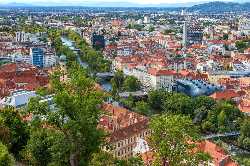
Graz, the capital of the Austrian state of Styria, is Austria's second-largest city and one of its most attractive cultural destinations. Known for its beautifully preserved Old Town, Renaissance courtyards, impressive palaces, and modern architectural landmarks, Graz offers a fascinating blend of history and innovation. The historic centre and Eggenberg Palace are recognized as a UNESCO World Heritage Site. One of the city's most famous attractions is Schlossberg, a hill rising above the Old Town. At its summit stands the Clock Tower (Uhrturm), the symbol of Graz and one of Austria's most recognizable landmarks. Visitors can enjoy panoramic views of the city, explore historic fortifications, and stroll through beautiful gardens on the hill. Graz is home to several outstanding museums. The Universalmuseum Joanneum is the oldest and one of the largest museums in Austria, with collections covering art, archaeology, natural history, and cultural heritage. The Styrian Armoury (Landeszeughaus) is another major attraction, housing the world's largest historic collection of medieval and Renaissance weapons and armor. Art lovers can visit the Kunsthaus Graz, a striking contemporary art museum known for its futuristic architecture, often called the "Friendly Alien." Another notable institution is the Graz Museum, which presents the city's history from medieval times to the present day. The most magnificent palace in Graz is Eggenberg Palace (Schloss Eggenberg). This splendid Baroque palace, surrounded by extensive gardens and parkland, is one of Austria's most important aristocratic residences. Visitors can tour lavish state rooms, historical exhibitions, and admire the palace's remarkable architectural symbolism. Among the city's important religious landmarks is Graz Cathedral, a Gothic cathedral built in the 15th century during the reign of Emperor Frederick III. Nearby stands the Mausoleum of Emperor Ferdinand II, one of the finest examples of Mannerist architecture in Austria. The historic centre is filled with beautiful landmarks. The Landhaus, a Renaissance palace with an elegant arcaded courtyard, reflects the city's political importance during the Habsburg era. The Mur Island (Murinsel), a modern floating structure on the Mur River, demonstrates Graz's successful combination of historic and contemporary design. Visitors can also explore the charming streets of the Old Town, lined with colorful buildings, hidden courtyards, cafés, and shops. The city's vibrant cultural life includes festivals, concerts, theatres, and events throughout the year. With world-class museums, the magnificent Eggenberg Palace, Graz Cathedral, Schlossberg, and numerous historic landmarks, Graz offers one of the richest cultural experiences in Austria. Its unique combination of medieval heritage, Renaissance architecture, and modern creativity makes it a must-visit destination for travelers exploring Central Europe.
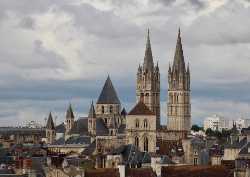
Caen, the historic capital of Normandy, is a city that seamlessly blends medieval charm, wartime heritage, and vibrant modern life. Located just a short distance from the English Channel, Caen is often overlooked in favor of Paris or the D-Day beaches, yet it offers visitors a wealth of fascinating experiences. The city owes much of its fame to William the Conqueror, who made Caen one of his principal residences in the 11th century. He and his wife, Queen Matilda, founded the Abbaye aux Hommes (Men’s Abbey) and Abbaye aux Dames (Women’s Abbey), two stunning Romanesque monasteries that still dominate the cityscape. Alongside them stands the Château de Caen, one of the largest medieval fortresses in Europe, offering sweeping views of the old town and housing the Museum of Normandy and the Fine Arts Museum. These monuments provide a powerful glimpse into the city’s medieval glory. But Caen’s history is not only medieval. The city suffered heavy bombing during the Battle of Normandy in 1944, leaving scars that are still visible today. From this destruction, however, rose one of the city’s most moving landmarks: the Caen Memorial Museum. Dedicated to peace, the museum explores World War II, the Cold War, and the pursuit of reconciliation, making it one of the most thought-provoking attractions in France. Beyond history, Caen charms with its picturesque streets lined with half-timbered houses, lively squares, and the scenic marina on the River Orne. The bustling Vaugueux district, once a medieval quarter, now thrives with restaurants and cafés perfect for sampling Norman specialties such as cider, Camembert, and fresh seafood. What makes Caen truly fascinating is its dual identity: a city of conquerors and abbeys, but also a symbol of resilience and rebirth. Few places in France capture both the grandeur of the Middle Ages and the lessons of modern history so vividly. For travelers seeking culture, reflection, and authentic French atmosphere, Caen is an unforgettable destination.
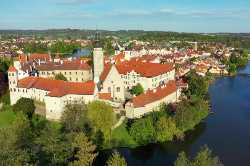
Telč is a charming historic town located in the Vysočina Region of the Czech Republic. It is best known for its perfectly preserved Renaissance square, colourful façades, and peaceful atmosphere. Thanks to its unique urban layout and architectural harmony, the historic centre of Telč has been listed as a UNESCO World Heritage Site. The heart of the town is Zachariáš of Hradec Square, surrounded by elegant Renaissance and Baroque houses with arcaded fronts and richly decorated façades. These historic merchant houses create one of the most beautiful town squares in Europe and are a major tourist attraction. Many of the buildings today host small exhibitions, galleries, shops, and cultural events. The most important landmark in Telč is Telč Castle, a magnificent Renaissance château that transformed the original medieval fortress into a refined aristocratic residence. The castle complex includes beautifully decorated interiors, historic halls, and a large English-style park. Visitors can explore guided tours that show the lifestyle of the noble families who once lived there. Within the castle complex and the town, visitors can also find small museum exhibitions presenting local history, traditional crafts, and the development of the region. These exhibitions help explain the importance of Telč as a cultural and trading centre in the past. Another attraction is the network of surrounding ponds that protect and frame the historic centre. These artificial lakes were originally built for defence and fish farming, and today they create scenic walking routes around the town, offering beautiful views of the castle and old town skyline. The Church of St. James is another important landmark, featuring a tall tower that offers panoramic views over the historic square and surrounding countryside. The church interior reflects Gothic and Baroque influences and is open to visitors. Although Telč is a small town and does not have large palaces or fortresses outside the castle complex, the castle itself functions as both a palace and a fortified residence, representing the main aristocratic seat of the area. With its UNESCO-listed square, impressive castle-palace, museums, churches, and scenic ponds, Telč offers a peaceful and highly atmospheric experience. It is one of the most beautiful Renaissance towns in Central Europe and a must-visit destination for travellers exploring the Czech Republic.
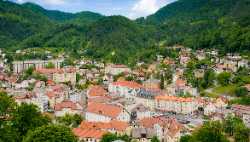
Idrija is a historic town in western Slovenia, nestled among the forested hills of the Idrija Basin. The town is internationally renowned for its mercury mine, one of the largest and oldest mercury mines in the world. Together with the Spanish mining town of Almadén, Idrija is recognized as a UNESCO World Heritage Site, reflecting its global importance in the history of mining and technology. The discovery of mercury in Idrija at the end of the 15th century transformed a small settlement into one of Europe's most significant mining centers. For more than five centuries, the mine influenced the economic, social, and cultural development of the region. Today, visitors can explore this remarkable heritage through several museums and historic attractions. The most important museum in the town is the Idrija Municipal Museum, located within the impressive Gewerkenegg Castle. Built in the 16th century as the administrative headquarters of the mercury mine, the castle remains one of Idrija's most recognizable landmarks. The museum presents exhibitions on mining history, local culture, lace-making traditions, and the development of the town. Another fascinating attraction is the Anthony's Main Road Mining Museum, where visitors can descend into part of the historic mine and learn about the challenging conditions faced by generations of miners. The Idrija Lace School Museum offers insight into the town's famous lace-making tradition, a craft that has become an important symbol of Idrija and is recognized throughout Slovenia and beyond. Among the town's religious monuments, the Church of the Holy Trinity occupies a special place in local history. According to tradition, it stands near the site where mercury was first discovered. The Church of St. Barbara, dedicated to the patron saint of miners, is another important historic building connected to Idrija's mining heritage. Several historic landmarks help tell the story of the town. Kamšt, one of the largest preserved wooden water wheels in Europe, once powered mining equipment and remains a remarkable example of industrial engineering. The Idrija Mine Smelting Plant illustrates the technological processes used in mercury production, while the famous Idrija Miner's House provides a glimpse into the everyday life of mining families. Another notable landmark is Rake, a historic water channel system built to supply water to mining facilities. Beyond its industrial heritage, Idrija is surrounded by beautiful natural landscapes, offering opportunities for hiking, cycling, and outdoor exploration. Visitors can enjoy the contrast between the town's technological history and the scenic countryside that surrounds it. Today, Idrija successfully preserves its unique legacy through its museums, historic buildings, and cultural traditions. Its castle, churches, mining monuments, and UNESCO-listed heritage make it one of Slovenia's most distinctive and historically significant destinations.
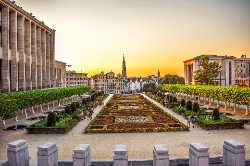
Brussels, the vibrant heart of Belgium and a city often hailed as the de facto capital of the European Union, offers a compelling tapestry woven from medieval charm, Art Nouveau elegance, and a surprisingly quirky spirit. It wasn't always the undisputed center of the region; for centuries, cities like Bruges and Ghent held significant economic and cultural sway in the Low Countries, a reminder of the shifting tides of power in this historically contested area. Yet, Brussels' strategic location and eventual role as a political hub propelled it to its current prominence. Consider this: Brussels boasts more comic strip murals than any other city in Europe. Scattered throughout its streets, these large-scale artworks pay homage to Belgium's rich comic book heritage, home to iconic characters like Tintin, the Smurfs, and Lucky Luke. This vibrant urban art gallery adds a playful and unexpected dimension to the city's architectural landscape, a testament to its embrace of popular culture. Intriguingly, the seemingly ubiquitous Manneken Pis, the small bronze statue of a peeing boy, has a surprisingly complex and debated history. While its exact origins remain shrouded in legend, various stories abound, from extinguishing a fire with a stream of urine to commemorating a lost duke. This cheeky little statue has become an enduring symbol of Brussels' independent and somewhat irreverent spirit, often dressed in elaborate costumes for special occasions. Another fascinating aspect of Brussels lies in its accidental contribution to the world of vegetables. Endive, that slightly bitter and elegant leafy green, was supposedly discovered in the 19th century in the botanical gardens of Brussels. A forgotten box of chicory roots in a dark cellar sprouted pale, elongated leaves, a serendipitous culinary discovery that has since graced tables worldwide. Beyond its artistic and culinary quirks, Brussels holds a unique linguistic identity. It sits at the crossroads of French and Dutch-speaking Belgium, resulting in a bilingual city where both languages are official. This linguistic duality is woven into the fabric of daily life, from street signs to public announcements, reflecting the country's complex cultural makeup. Furthermore, the Grand Place, Brussels' breathtaking central square, is not just a stunning example of Baroque architecture; it was once a bustling marketplace where even executions took place. The opulent guildhalls that line the square, meticulously rebuilt after being heavily damaged by French bombardment in 1695, stand as a testament to the city's resilience and its enduring economic and civic pride. Finally, for those with a sweet tooth, Brussels is a veritable paradise for chocolate lovers. From world-renowned chocolatiers to countless smaller artisanal shops, the city offers an overwhelming array of delectable pralines and truffles. The strict regulations governing Belgian chocolate ensure its high quality, making indulging in this national treasure an essential part of the Brussels experience. To explore Brussels is to encounter a city where comic book heroes adorn walls, a peeing boy holds iconic status, a forgotten vegetable became a delicacy, and a grand square whispers tales of both commerce and destruction, all contributing to its uniquely captivating character.
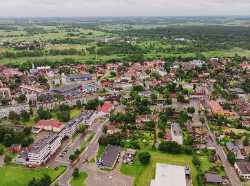
Located in western Latvia in the historical region of Courland, Tukums is a charming small city known for its historic old town, gardens, museums, and scenic surroundings. Situated about 65 kilometers from Riga and close to the Gulf of Riga coast, Tukums serves as an important cultural and tourism center of the region. The city combines medieval history, traditional Latvian architecture, and peaceful natural landscapes, making it a pleasant destination for visitors exploring western Latvia. Tukums first developed during the Middle Ages as a settlement near a Livonian Order castle. Although the original medieval fortress no longer survives completely, the remains of the Tukums Castle Tower still reflect the city’s early history. The restored tower is one of the town’s most recognizable landmarks and offers visitors panoramic views over the rooftops and surrounding countryside. One of the main cultural attractions is the Tukums Museum, which consists of several branches across the city and region. The museum presents exhibitions about local history, traditional life, art, and ethnography. Visitors can learn about the development of Tukums from medieval times to the modern period while exploring historical objects, photographs, and cultural collections. Art lovers often visit the Tukums Art Museum, which features Latvian paintings, exhibitions, and works connected with the cultural heritage of Courland. The city is known for supporting local artists and preserving traditional Latvian crafts. The historic center of Tukums is filled with cobbled streets, colorful houses, cafés, and small public squares. Walking through the old town allows visitors to enjoy the relaxed atmosphere and admire architecture from different historical periods. One important religious landmark is Tukums Lutheran Church, a historic church with a tall tower visible from many parts of the city. Tukums is also famous for its beautiful gardens and surrounding nature. The city is often called the “town of roses” because of its flower displays and green spaces. Nearby attractions include forests, lakes, and manor estates that are popular for day trips. Visitors can easily reach the Baltic Sea coast and seaside resorts from Tukums, making it a convenient base for exploring the region. One of the most visited attractions near the city is Cinevilla Studio, an open-air movie town where many Latvian and international films have been produced. The site allows visitors to walk through recreated historical streets and film sets, creating a unique tourist experience. Tukums also hosts festivals, concerts, and seasonal events throughout the year, especially during summer when parks and squares become lively gathering places. The combination of museums, castle history, gardens, and nearby natural attractions makes the city an enjoyable destination for travelers seeking a quieter and more traditional side of Latvia. With its historical charm, cultural attractions, and relaxing atmosphere, Tukums offers visitors an authentic experience of Latvian small-town life and heritage.
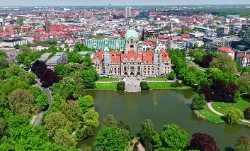
Hanover (Hannover in German), the capital of Lower Saxony, is a vibrant city that combines rich history, elegant architecture, and lush nature. Known for its royal gardens, world-class exhibitions, and cultural charm, it’s one of Germany’s most inviting destinations for visitors who love both city life and the outdoors. At the heart of Hanover lies the New Town Hall (Neues Rathaus), an impressive architectural masterpiece built in 1913. Its majestic dome offers a unique diagonal elevator ride to a panoramic viewing platform, revealing breathtaking views of the city’s skyline and nearby Maschsee Lake. Nearby, the Old Town (Altstadt) charms visitors with cobbled streets, half-timbered houses, and cozy cafés that give a glimpse of Hanover’s medieval soul. One of Hanover’s true highlights is the Herrenhausen Gardens, a masterpiece of Baroque landscape design. Once the summer residence of the royal family, the gardens are a peaceful haven of fountains, sculptures, and perfectly trimmed hedges — earning Hanover the nickname “City of Gardens.” The nearby Berggarten hosts rare plant species and an elegant orchid collection, attracting nature lovers all year round. Culture thrives throughout the city. The Sprengel Museum is a must-see for modern art enthusiasts, while the Hanover State Opera House offers world-class performances. Music lovers might also explore the city’s connection to rock legend Scorpions, who started their career here. Hanover is also a global hub for innovation — home to the Hannover Messe, one of the world’s largest industrial technology fairs. During this event, the city transforms into a meeting point for inventors, entrepreneurs, and visionaries. With vast green spaces, lakeside promenades, and a relaxed atmosphere, Hanover perfectly blends urban sophistication with natural beauty. Whether you’re exploring royal history, enjoying a lakeside walk, or diving into modern culture, Hanover welcomes you with a mix of elegance and warmth that defines the best of northern Germany.
Braga is one of Portugal’s oldest and most fascinating cities, often referred to as the “Rome of Portugal” because of its deep religious heritage and remarkable concentration of historic churches and sanctuaries. Founded over 2,000 years ago by the Romans as Bracara Augusta, Braga has continuously evolved while preserving its strong spiritual, cultural, and architectural identity. At the heart of the city lies a beautifully preserved historic center where narrow streets, elegant squares, and Baroque façades create an inviting atmosphere. The Sé de Braga (Braga Cathedral), begun in the 11th century, stands as the oldest cathedral in Portugal and remains a powerful symbol of the city’s religious importance. Nearby, charming plazas such as Largo do Paço and Avenida Central offer cafés, shops, and a lively local ambiance. One of Braga’s most iconic landmarks is the hilltop sanctuary of Bom Jesus do Monte, famous for its monumental Baroque staircase adorned with chapels, statues, and fountains representing the Stations of the Cross. Visitors can climb the steps or ride the historic funicular, enjoying breathtaking views over the city. Another major pilgrimage site is Sanctuary of Our Lady of Sameiro, a peaceful neoclassical basilica offering panoramic scenery and quiet reflection. Braga is also a youthful and dynamic city, thanks to its large student population and vibrant cultural scene. Museums, theaters, and contemporary art spaces complement the historic monuments, while festivals and religious celebrations—especially during Holy Week—fill the streets with color and tradition. Food lovers will appreciate Braga’s rich Minho cuisine, featuring hearty dishes such as rojões (pork), bacalhau (salt cod), and regional pastries. Combined with friendly locals and a relaxed pace of life, the city offers an authentic northern Portuguese experience. Blending ancient roots with modern energy, Braga is a destination that rewards visitors with history, spirituality, culture, and warm hospitality—making it an essential stop on any journey through Portugal.