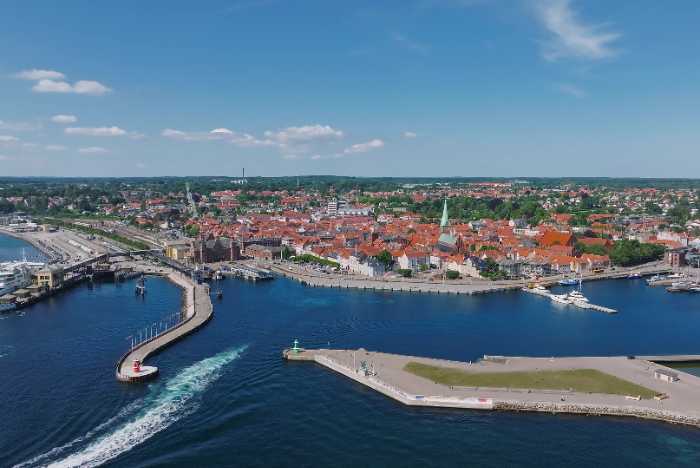
Elsinore
Elsinore, known to the Danes as Helsingør, stands as a profound testament to the enduring power of geography and the whims of royal ambition. Situated at the narrowest point of the Øresund Strait, where only four kilometers of cold Baltic water separate Denmark from Sweden, the city has for centuries acted as the gatekeeper of the North. Its identity was fundamentally forged in the 15th century when King Eric of Pomerania established the Sound Dues, a mandatory toll for every ship passing through the strait. This tax transformed a small fishing village into a cosmopolitan hub of immense wealth and strategic importance, as the Danish Crown grew rich on the trade of the world. The echoes of this golden era are still visible in the city's historic center, which remains one of the best-preserved medieval and Renaissance quarters in Northern Europe, characterized by its winding cobblestone streets and meticulously maintained half-timbered merchant houses. At the heart of Elsinore’s international fame is Kronborg Castle, a fortress that commands the skyline with its formidable towers and copper-green roofs. While its primary purpose was to enforce the collection of the Sound Dues, its secondary legacy is literary. Shakespeare chose this "Elsinore" as the setting for Hamlet, immortalizing the castle as a place of brooding ghosts and tragic moral dilemmas. Though the Bard likely never set foot on the ramparts himself, the castle’s reputation for grandeur and intrigue traveled across the sea to London, forever linking the Danish town to the pinnacle of English literature. Today, the castle is a UNESCO World Heritage site, housing the legendary stone figure of Holger the Dane in its subterranean casemates, who is said to sleep until the kingdom faces its greatest peril. As the industrial age approached, Elsinore shifted from a city of tolls to a city of iron and steam, anchored by its massive shipyard. However, the true modern genius of the city lies in its recent cultural renaissance. Instead of allowing its industrial ruins to decay, Elsinore transformed its former shipyard into the Culture Yard (Kulturværftet), a striking fusion of glass and original masonry that serves as the city’s intellectual heart. Nearby, the M/S Maritime Museum of Denmark represents a masterclass in contemporary architecture. Hidden entirely underground within an old dry dock, the museum tells the story of Denmark’s seafaring history without obstructing the view of the historic Kronborg. This seamless blend of ancient legend, royal history, and avant-garde design makes Elsinore a unique destination that remains as vital today as it was when the first toll was collected six centuries ago.
What to see in Elsinore
 Aquarium
Kronborg Castle
Aquarium
Kronborg Castle
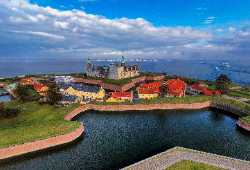 Castle
Marienlyst Castle
Castle
Marienlyst Castle
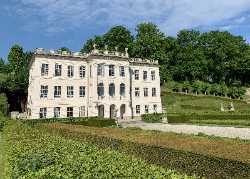 Castle
St. Olaf's Church
Castle
St. Olaf's Church
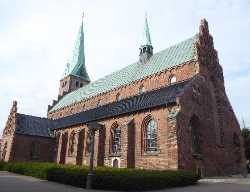 Church
St. Mary's Church
Church
St. Mary's Church
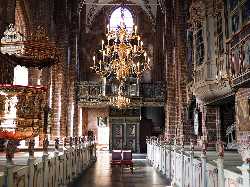 Church
Kulturværftet
Church
Kulturværftet
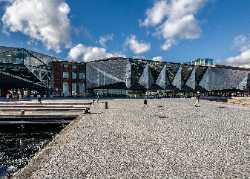 Cultural Centre
M/S Maritime Museum
Cultural Centre
M/S Maritime Museum
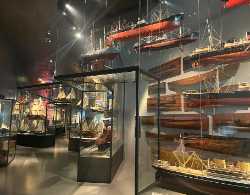 Museum
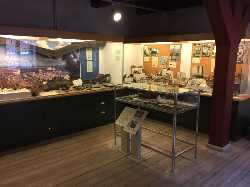
Helsingør Bymuseum
Museum
Helsingør Bymuseum
 Museum
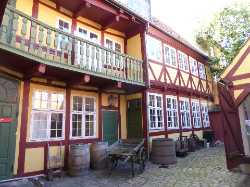
Skibsklarerergaarden
Museum
Skibsklarerergaarden
 Museum
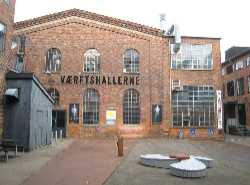
Shipyard Museum
Museum
Shipyard Museum
 Museum
Danish Museum of Science and Technology
Museum
Danish Museum of Science and Technology
 Museum
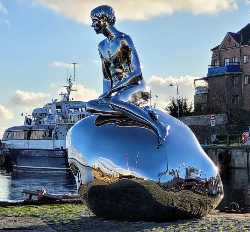
He Statue by Elmgreen and Dragset
Museum
He Statue by Elmgreen and Dragset
 Sculpture