Kalmar
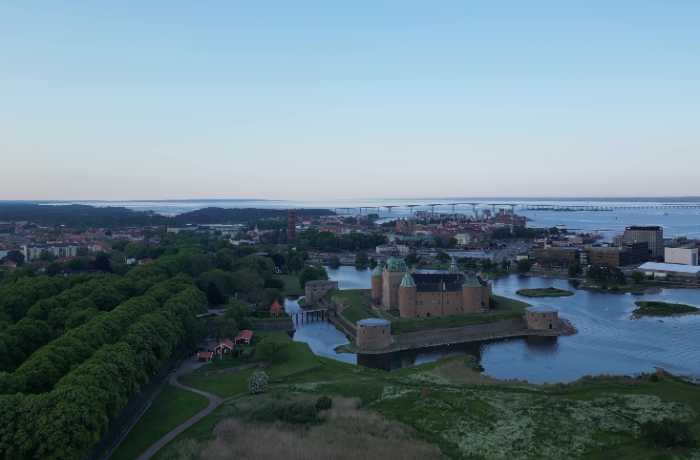
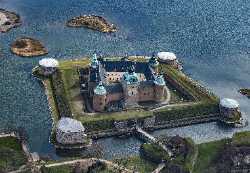
Kalmar is a historic coastal city in southeastern Sweden, overlooking the Baltic Sea and the island of Öland. Known for its rich medieval heritage, strategic importance, and charming old town, Kalmar is one of Sweden’s most historically significant destinations. The city played a crucial role in Scandinavian history, particularly during the late Middle Ages. It was here, in 1397, that the Kalmar Union was formed, uniting Denmark, Norway, and Sweden under a single monarch. This event marked Kalmar as a key political center in Northern Europe for a time. The most prominent landmark in the city is Kalmar Castle, one of the best-preserved Renaissance castles in Scandinavia. Originally built as a defensive fortress in the 12th century, it was later transformed into a grand royal residence. Today, the castle is open to visitors and hosts exhibitions, historical displays, and cultural events, offering a vivid glimpse into Sweden’s past. Kalmar’s old town, known as Gamla Staden, is another highlight. Although much of the city was relocated in the 17th century, traces of its earlier layout and fortifications remain. The modern city center features well-preserved streets, squares, and buildings that reflect its long history while supporting a lively contemporary atmosphere. The city’s coastal location adds to its appeal. Waterfront promenades, harbors, and nearby beaches make Kalmar a pleasant destination, especially during the summer months. The Öland Bridge connects the city to the island of Öland, a popular destination known for its unique landscapes, windmills, and historical sites. Kalmar also offers a range of cultural attractions, including museums, galleries, and festivals. Its manageable size and relaxed pace make it easy to explore, whether on foot or by bicycle. With its combination of historical significance, architectural beauty, and scenic coastal setting, Kalmar provides visitors with a rich and engaging experience that highlights Sweden’s medieval and Renaissance heritage while embracing modern life.
 Castle
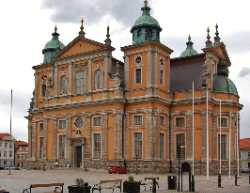 Cathedral
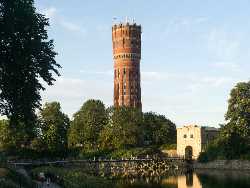 Historical Landmark
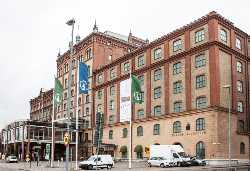 Museum
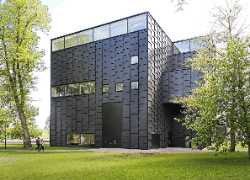 Museum
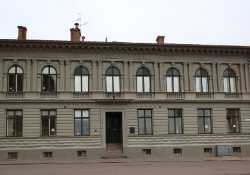 Museum
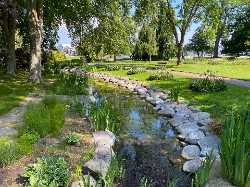 Park
Park
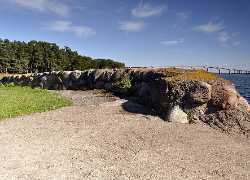 Park
Park
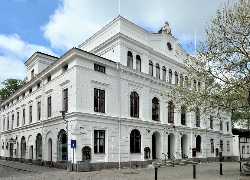 Theatre
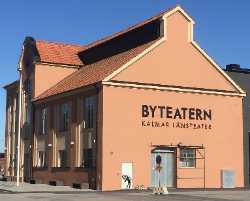 Theatre