Kalmar Maritime Museum
Kalmar Maritime Museum offers a vivid journey into the region’s seafaring past, highlighting the close relationship between the city and the Baltic Sea. Located near the historic harbour, the museum presents a rich collection of ship models, navigational instruments, maritime artefacts, and personal stories that illuminate life at sea across different eras. Exhibitions explore themes such as trade, fishing, naval history, and the everyday experiences of sailors who shaped Kalmar’s coastal identity. Archival photographs and reconstructed environments add depth, allowing visitors to sense the challenges and rhythms of maritime work. With its blend of historical insight and engaging displays, Kalmar Maritime Museum provides a compelling window into the traditions, dangers, and innovations that defined the region’s nautical heritage.
Kalmar Sweden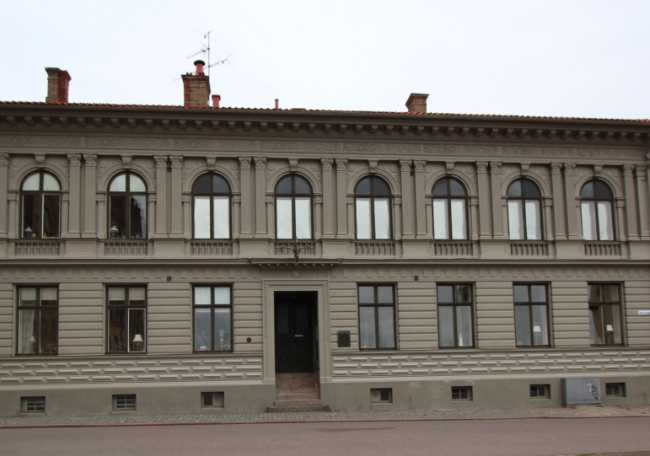
Kalmar Maritime Museum is located in the heart of Kalmar on the island of Kvarnholmen, in a historic wooden building along Södra Långgatan, just a short walk from the main harbour and the city’s central promenade along the Baltic Sea. The museum sits in the old town area, easily reached on foot from shops, cafés and the main streets leading down towards the water, giving visitors a compact route through maritime history and the city’s coastal character. Nearby attractions include Kalmar Castle, one of the city’s most iconic landmarks, which lies a brief walk across the city park and the waterfront, offering guided tours, exhibitions and views over the bay and the Öland Bridge. The city park and the surrounding Slottsparken provide green lawns, flowerbeds and open spaces ideal for a relaxed stroll before or after exploring the Maritime Museum’s ship models, nautical instruments and displays about local seafaring and shipbuilding. The harbour promenade is within easy reach, with cafés and restaurants along the water, while the nearby Kalmar County Museum and Kalmar Art Museum lie a short distance into the city centre, allowing visitors to combine maritime exhibitions with regional history and contemporary art in one compact day out. The coastal setting also makes it easy to continue towards the Öland Bridge and the island’s beaches, nature reserves and open‑air attractions, all of which are easily accessible by car or bus from the city centre.
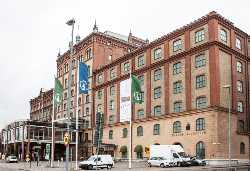 Museum
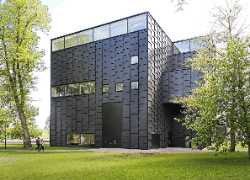 Museum
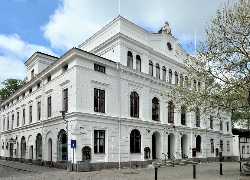 Theatre
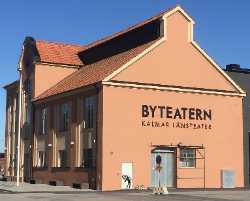 Theatre
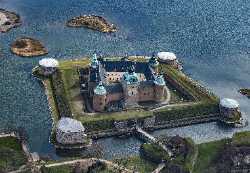 Castle
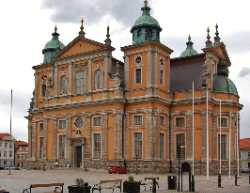 Cathedral
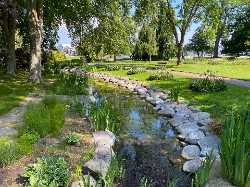 Park
Park
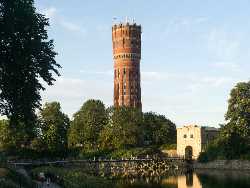 Historical Landmark
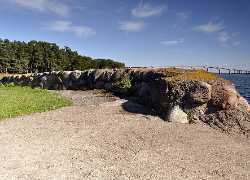 Park
Park