Skagen
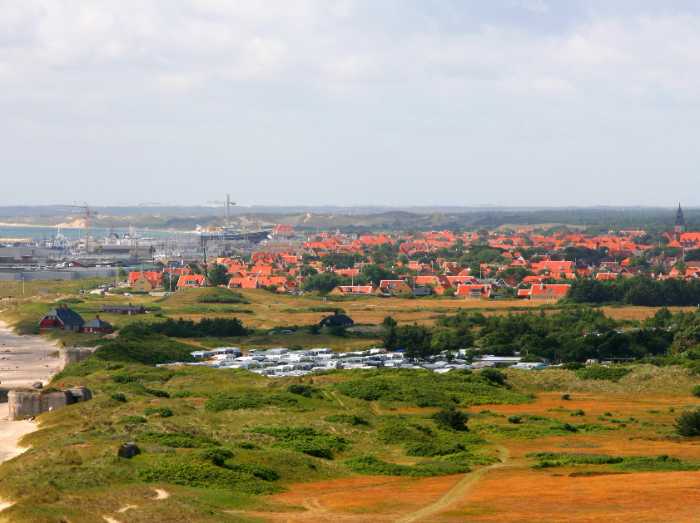
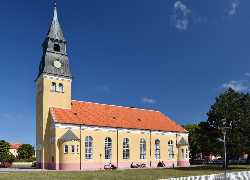
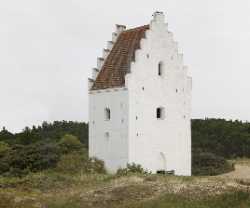
At the northernmost reaches of the Jutland peninsula, where the land narrows into a fragile finger of sand stretching toward the Scandinavian horizon, lies the town of Skagen. This is a landscape defined by the relentless meeting of elements—a place where the physical world feels thin, and the atmosphere takes on a quality found nowhere else in Europe. Skagen is not merely a geographic destination; it is a cultural phenomenon born from the collision of two seas, the shifting of massive dunes, and a unique, ethereal light that has captivated the human imagination for centuries. The most visceral experience of Skagen occurs at Grenen, the sandbar where the Skagerrak and the Kattegat seas meet. Standing at this point, one can witness the extraordinary sight of waves from the North Sea and the Baltic crashing into one another from opposite directions. This perpetual maritime struggle creates a foamy, turbulent boundary that moves with the tides, a reminder of the raw power of the waters that have shaped the town’s history. For generations, this was a place of survival for a rugged fishing community, but in the late 19th century, it became the sanctuary for a different kind of pioneer. The legendary "light of Skagen"—a soft, blue-tinted clarity that occurs during the long summer twilights—drew a colony of artists who would redefine Danish art. Known as the Skagen Painters, figures such as P.S. Krøyer and Michael and Anna Ancher sought to capture the "blue hour" and the daily lives of the local fishermen. Their presence transformed the remote outpost into a sophisticated cultural hub, leaving behind a legacy that is preserved in the iconic Skagens Museum. This artistic spirit is mirrored in the town’s architecture; the "Skagen Yellow" houses with their red-tiled roofs and white-trimmed gables create a visual harmony that feels both cozy and resilient against the windswept landscape. However, the beauty of Skagen is tempered by the sobering reality of nature’s reclaiming hand. To the south of the town stands the tower of Den Tilsandede Kirke, or the Buried Church. Built in the 14th century, it was slowly overwhelmed by migrating sand dunes until the congregation was forced to abandon it in 1795. Today, only the white steeple remains visible above the sand, serving as a silent monument to the town’s long-standing battle with the elements. This struggle continues at Råbjerg Mile, Northern Europe’s largest moving sand dune, which marches across the peninsula at a rate of fifteen meters per year. In Skagen, history, art, and nature exist in a delicate, shifting balance, ensuring that the town remains as luminous and unpredictable as the light that first made it famous.
What to see in Skagen
 Church
The Sand-Covered Church
Church
The Sand-Covered Church
 Church
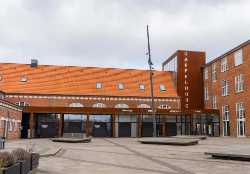
Kulturhus Kappelborg
Church
Kulturhus Kappelborg
 Cultural Centre
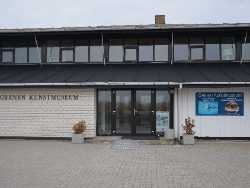
Grenen Kunstmuseum
Cultural Centre
Grenen Kunstmuseum
 Gallery
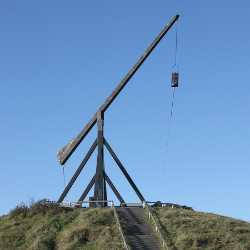
Vippefyret
Gallery
Vippefyret
 Historical Landmark
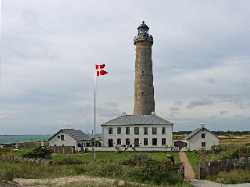
Leuchtturm Skagen
Historical Landmark
Leuchtturm Skagen
 Lighthouse
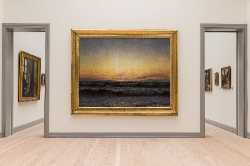
Skagens Museum
Lighthouse
Skagens Museum
 Museum
Kystmuseet Skagen
Museum
Kystmuseet Skagen
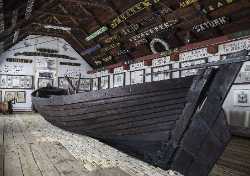 Museum
Anchers Hus
Museum
Anchers Hus
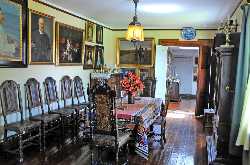 Museum
Drachmanns Hus
Museum
Drachmanns Hus
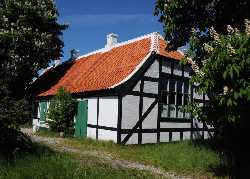 Museum
Skagen Bamsemuseum
Museum
Skagen Bamsemuseum
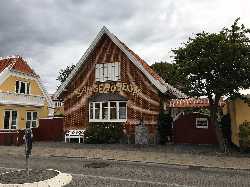 Museum
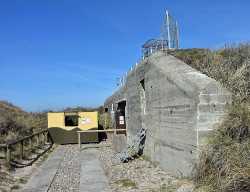
Skagen Bunker Museum
Museum
Skagen Bunker Museum
 Museum
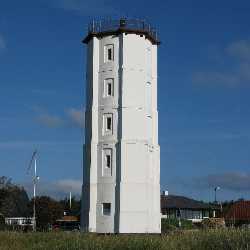
Det Hvide Fyr
Museum
Det Hvide Fyr
 Museum
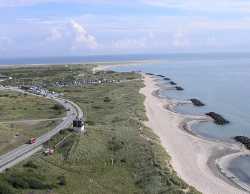
Grenen
Museum
Grenen
 Tourist attraction