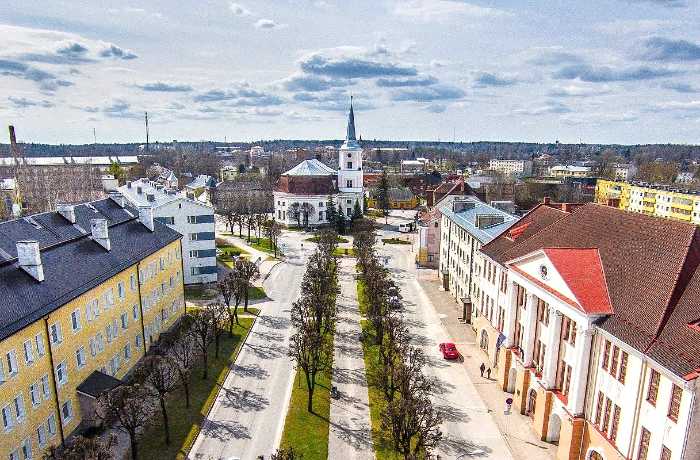
Valga
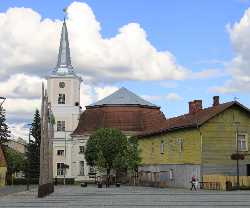
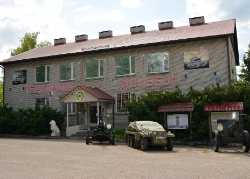
Situated in southern Estonia on the border with Latvia, Valga is a unique town known for its international atmosphere, rich history, and cultural heritage. Together with the neighboring Latvian town of Valka, Valga forms a rare cross-border twin city where visitors can easily walk between two countries. This special location has shaped the town’s identity for centuries and makes it an interesting destination for travelers exploring the Baltic region. Valga has long been an important transport and trade center because of its railway connections and border position. The town developed rapidly during the 19th century, and many historical buildings from that period can still be seen today. Walking through the center, visitors will find elegant old wooden houses, churches, and public squares that reflect the town’s multicultural past. One of the most important attractions is the Valga Museum, which introduces the history of the region through archaeological exhibits, historical photographs, military collections, and displays about local traditions. The museum gives visitors a good overview of life in southern Estonia and the importance of the border area throughout history. Railway enthusiasts may enjoy visiting the historic Valga railway station area, which played a major role during the Russian Empire and later in independent Estonia. The station remains one of the country’s most important railway junctions and symbolizes the city’s connection between Estonia and Latvia. Although Valga does not have a large medieval castle today, the region contains historical manor estates and old defensive sites connected with the Livonian era. Nearby travelers can explore several beautiful countryside manors surrounded by parks and forests. The town itself is more famous for its border culture and historical architecture than for castles or fortresses. A major religious landmark is St. John’s Church, a striking church known for its tall tower and Neo-Gothic architecture. Another interesting building is the Roman Catholic Church of the Holy Spirit, reflecting the diverse cultural influences that shaped the town over centuries. For outdoor activities, visitors can relax in the town parks and along the Pedeli River recreation area, which offers walking and cycling paths. The cross-border pedestrian routes between Valga and Valka are especially popular because tourists can experience two countries in one trip without border controls. Valga is also known for cultural festivals, local markets, and sporting events that bring together Estonians and Latvians. Its peaceful atmosphere, historical buildings, museums, and international character make it a fascinating destination for visitors interested in Baltic history and border culture. While smaller than Estonia’s major tourist cities, Valga offers a unique combination of history, culture, and cross-border charm that cannot be found anywhere else in the country.
 Church
 Museum
 Museum