Valga St. John's Church
St. John’s Church in Valga is one of southern Estonia’s most characterful Lutheran churches, reflecting the town’s long history as a crossroads between cultures. Completed in 1816, it replaced an earlier wooden church and introduced a restrained classicist style that still defines its appearance today. Its pale façade, tall windows, and simple tower give it a calm, balanced elegance that contrasts with the more ornate churches of the region. One of the church’s most interesting features is its connection to the Valga–Valka border story. For centuries, the congregation included both Estonians and Latvians, and services were held in multiple languages. Even after the 1920 border division split the town in two, St. John’s remained a symbol of shared spiritual life in a community suddenly separated by international lines. Inside, the church is known for its bright, uncluttered interior and its historic Kessler organ, which has supported local musical traditions for generations. The churchyard also preserves memorials linked to the region’s turbulent 20th‑century history. Today, St. John’s Church continues to serve as both a parish centre and a cultural venue, valued for its serene atmosphere and its role in the intertwined heritage of Valga and Valka.
Valga Estonia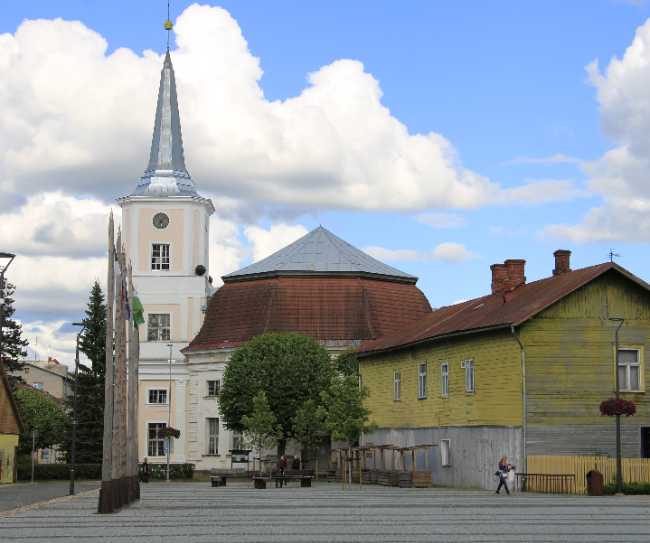
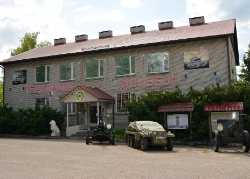
St. John's Church (Jaani Church) is located at Kesk 21 in the heart of Valga, in southern Estonia. It stands in the town center, just a short walk from Valga Town Hall, the central square, and the main bus and train stations. The church was built between 1787 and 1816 according to the design of architect Christoph Haberland and is the only church in Estonia with an oval ground plan. It is considered one of the country’s most beautiful churches and houses a historic organ by Friedrich Ladegast, which is still preserved in its original shape and is one of the 200 best organs in Europe. At midday and midnight, music can be heard from the bell tower. Nearby attractions include Valga Town Hall, a notable early 20th-century building, and the central market square, ideal for a stroll. The Valga Military Theme Park, with its military vehicles and exhibits, is also within easy reach. The Valga Railway Station, with its steam engine monument, and the nearby Pedeli Light Traffic Track for walking and cycling are popular stops. Just across the border, the Latvian town of Valka is a short walk away, offering a unique cross‑border experience with its own historic buildings and Valka Museum. For nature lovers, Lake Ähijärv and the surrounding Karula hiking trails are reached within a short drive, and the peaceful Valga Central Park is perfect for a quiet walk.
 Museum
 Museum