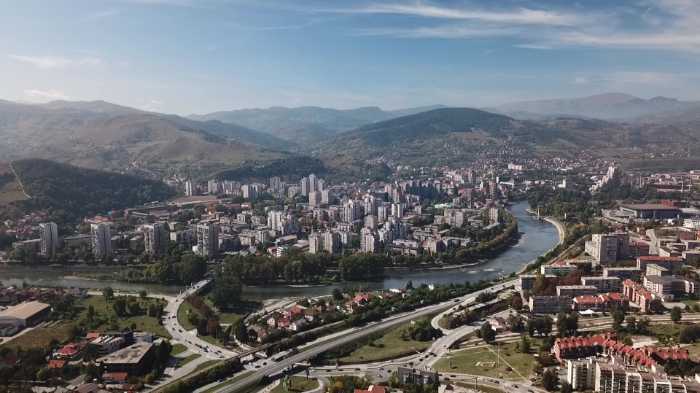
Zenica
Zenica is one of the largest cities in Bosnia and Herzegovina, located in the Bosna River valley and surrounded by gentle hills and mountains. Although widely known as the country's industrial center, Zenica also has a rich cultural heritage, historic landmarks, and a growing arts scene that make it an interesting destination for visitors. The city's history is preserved in the Museum of the City of Zenica, where archaeological discoveries, medieval artifacts, ethnographic collections, and exhibitions document the development of the region from prehistoric settlements to modern times. Art lovers can visit the City Gallery Zenica, which regularly hosts exhibitions by Bosnian and international artists, promoting both traditional and contemporary art. Another important cultural institution is the Bosnian National Theatre Zenica Gallery, where visitors can enjoy rotating exhibitions connected with the city's vibrant theatrical and artistic life. One of Zenica's most significant religious landmarks is the Church of Saint Elijah, a beautiful Roman Catholic church that serves as the seat of the local parish. Another notable monument is the Sultan Ahmed Mosque, also known as the Čaršija Mosque, one of the oldest surviving Ottoman buildings in the city and an important symbol of Zenica's multicultural heritage. Just a few kilometers north of the city stands Vranduk Fortress, one of the finest preserved medieval castles in Bosnia and Herzegovina. Built on a rocky hill above the Bosna River, the fortress was an important royal and military stronghold during the medieval Bosnian Kingdom and later under Ottoman rule. Visitors can walk along its stone walls, climb its towers, and enjoy spectacular views of the surrounding valley. The old Vranduk village below the fortress features traditional Bosnian houses and the historic Sultan Mehmed II Mosque, adding even more historical value to the area. Within Zenica itself, Kamberovića Polje is a popular recreational park where residents and visitors enjoy walking, cycling, and outdoor events throughout the year. The city is also known for the Bosnian National Theatre Zenica, one of the country's leading performing arts venues, offering drama, festivals, and cultural events that attract audiences from across the region. Combining fascinating museums, a well-preserved medieval fortress, historic churches and mosques, cultural institutions, and beautiful natural surroundings, Zenica offers visitors a rewarding opportunity to explore both the industrial and historical heart of central Bosnia and Herzegovina.
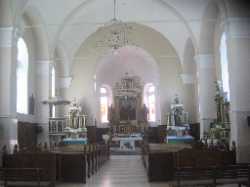 Church
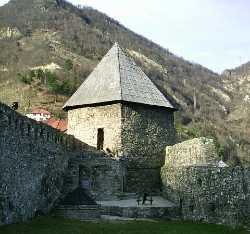 Fortress
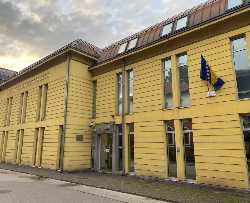 Museum
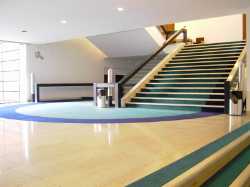 Theatre