City Museum Zenica
City Museum Zenica offers a compact but rich journey through the city’s past, weaving together archaeology, industry, and everyday life. Located in a historic building near the old centre, it highlights how Zenica evolved from a medieval settlement into one of Bosnia and Herzegovina’s major industrial hubs. One of the most interesting aspects is how the museum balances heavy industry with intimate stories of local families, craftsmen, and traditions. Inside, the archaeological section stands out with Roman tools, pottery, and jewellery discovered around the Bosna River valley. Medieval artefacts—iron weapons, household objects, and fragments of fortifications—show how the region developed under Bosnian and later Ottoman rule. The industrial collection is equally compelling: original equipment from the Zenica steelworks, workers’ uniforms, and photographs documenting the city’s transformation in the 20th century. A dedicated ethnographic room presents traditional clothing, handcrafted textiles, and reconstructed interiors of rural homes, offering a glimpse into daily life before industrialisation. Temporary exhibitions often explore local artists, historical anniversaries, or social themes.
Zenica Bosnia and Herzegovina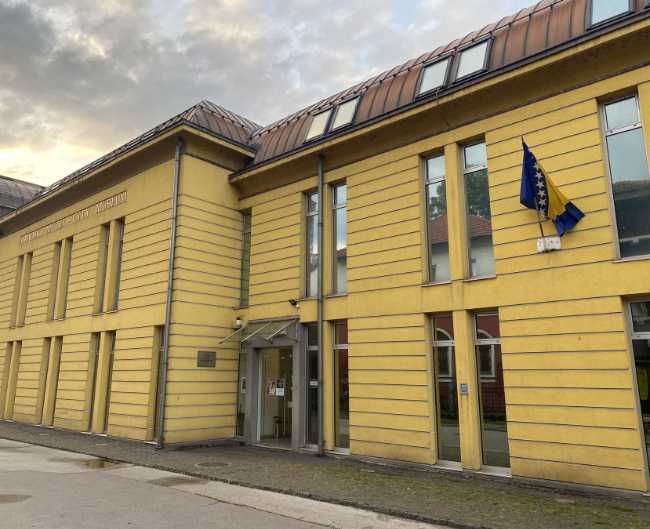
The museum is located at Muhameda Seida Serdarevića bb, Zenica 72000, Bosnia and Herzegovina. It sits right in the central part of town, positioned just a short stroll from the main city square. Because the museum rests right near the urban core, you can easily explore Zenica's top sights on foot. A brief walk brings you to the lively pedestrian zone along Trg Alije Izetbegovića, filled with outdoor cafés and shops. Just across the river, you can visit the Sultan Ahmed Mosque and the historic Synagogue of Zenica, which serves as a landmark dedicated to local Jewish heritage. A short drive away on the city outskirts leads up to the historic Vranduk Fortress, a medieval royal castle perched high above the Bosna River canyon.
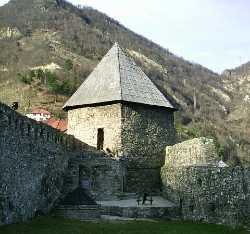 Fortress
 Church
 Theatre