Boscobel House
Boscobel House in Staffordshire is one of England’s most atmospheric Stuart‑era sites, best known for its dramatic role in the escape of Charles II after the Battle of Worcester in 1651. The young king hid in the nearby Royal Oak with Major William Careless, an episode that became one of the most enduring legends of the Restoration. The house itself, built in the early 17th century, was designed as a secluded hunting lodge—perfect for concealment during turbulent times. Inside, visitors can explore richly restored rooms that evoke the life of the Giffard family, who risked everything to shelter the fugitive king. The Priest Hole, cleverly hidden within the building’s structure, is one of the most fascinating features, illustrating how Catholic families protected clergy during periods of persecution. The King’s Bedroom and Oratory add further layers of intrigue, blending domestic comfort with secretive architecture. Outside, the grounds include a descendant of the original Royal Oak, standing as a symbolic reminder of Charles II’s escape. The gardens, stables and woodland paths complete the experience, offering a peaceful contrast to the house’s dramatic history. Boscobel House remains a compelling blend of legend, loyalty and beautifully preserved Stuart craftsmanship.
Bishop's Wood, United Kingdom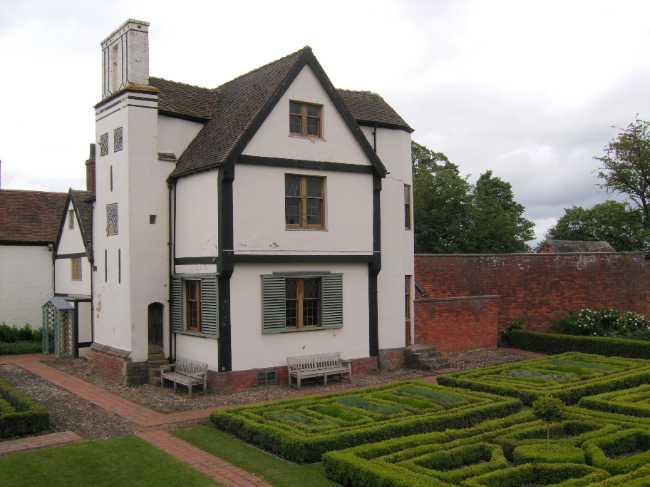
Boscobel House is located on the border of Staffordshire and Shropshire, near the village of Bishop's Wood. You can find this timber-framed hunting lodge on Boscobel Lane, Bishop's Wood, with the postcode ST19 9AR. Set in peaceful countryside, it is famous as the place where King Charles II famously hid in an oak tree while fleeing Parliamentary forces in 1651. The surrounding area is filled with fascinating historic ruins and scenic landmarks. Just a short walk away from the house lie the tranquil ruins of White Ladies Priory, an Augustinian nunnery that also played a key role in hiding King Charles II. A short drive to the east brings you to Chillington Hall, an elegant Georgian country house set in Capability Brown parkland with a beautiful lake. If you are looking to explore more royal and industrial history, head south toward Telford to visit the Ironbridge Gorge Museums, a UNESCO World Heritage Site showcasing the birth of the Industrial Revolution. Families and heritage enthusiasts can also visit Weston Park, a grand seventeenth-century stately home surrounded by extensive gardens, a parkland railway, and play areas. Nearby villages also feature cozy traditional pubs and tearooms, making it very easy to plan a relaxing day out in the countryside.