Dunwich Museum
Dunwich Museum tells the haunting story of a once‑great medieval port that now lies mostly beneath the North Sea. Dunwich was one of England’s busiest towns in the 13th century, with eight churches, bustling markets and powerful guilds. Coastal erosion gradually consumed it, leaving only fragments of its past. One of the museum’s most striking facts is that the remains of St. Nicholas Church still lie offshore, occasionally visible to divers when conditions allow. Inside, visitors can explore detailed models showing how large Dunwich once was, contrasted with maps charting its dramatic decline. Archaeological finds—pottery, coins, carved stones—offer tangible links to the vanished streets and harbours. The museum also preserves eerie relics from the “lost churches”, including bells recovered from the seabed and memorial stones rescued before they slipped into the waves. A room dedicated to coastal change explains the science behind erosion and highlights ongoing efforts to document what remains. Local stories, from fishermen’s traditions to tales of storms that reshaped the coastline, add a human dimension. Dunwich Museum is small but unforgettable, capturing the mystery of a town slowly reclaimed by the sea.
Dunwich United Kingdom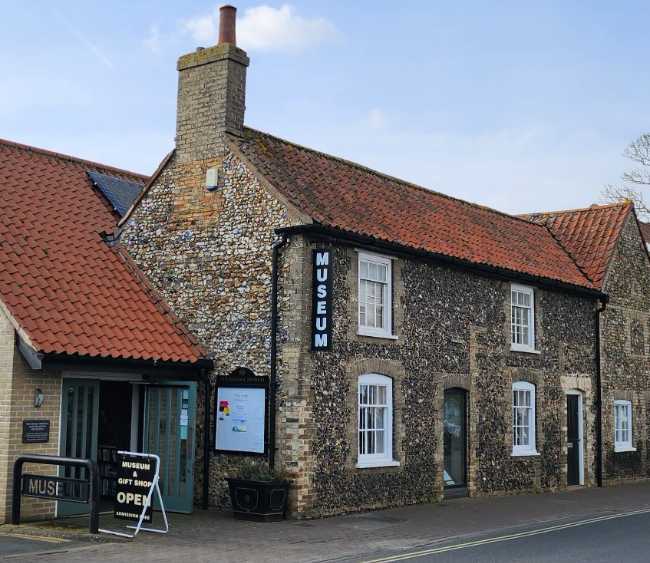
Dunwich Museum is a fascinating local history museum situated in the small coastal village of Dunwich along the Suffolk coast. The official address is St James's Street, Dunwich, Suffolk, IP17 3DT. Housed in a charming two-story building, the museum tells the dramatic story of how a major medieval port town and city gradually sank into the sea due to severe coastal erosion and massive storms over the centuries. Inside, visitors can explore detailed models of medieval Dunwich, ancient relics, Roman artifacts, and exhibits on local wildlife. The surrounding coast is filled with historical landmarks and nature reserves to explore. Just a short walk down the street lie the dramatic atmospheric ruins of Greyfriars Medieval Friary, one of the last surviving structures from the old town perched right near the eroding cliffs. Just beyond the village stretches Dunwich Heath, a vast National Trust nature reserve covered in purple heather, leading down to the peaceful shingle shore of Dunwich Beach.For those willing to venture a short distance away, the ruins of Leiston Abbey offer a fantastic look at 14th-century monastic architecture. Head slightly inland to see the towering grand ruins of Framlingham Castle, famous for its wall walks, or head north to the coastal town of Southwold to see its iconic lighthouse, historic pier, and nearby medieval church ruins at Covehithe.