The Infirmary Museum
The Infirmary Museum in Worcester offers a vivid and often surprising journey through the history of healthcare, set within the former Worcester Royal Infirmary. Its galleries explore how medicine, nursing and hospital life evolved from the 18th century to the modern NHS, using real stories, original equipment and atmospheric reconstructions. One of the most striking exhibits is the recreated Victorian operating theatre, complete with authentic surgical tools that highlight how dramatically medical practice has changed. Visitors can also see early X‑ray machines, pioneering anaesthetic equipment and a rare iron lung, once essential for treating polio patients. Personal accounts from nurses and doctors bring warmth and humanity to the displays, revealing the challenges and breakthroughs of everyday hospital work. The museum also uncovers unexpected local connections, including the role Worcester played in developing modern medical training. Interactive stations let visitors try diagnosing historical ailments or explore how hospital records were kept before digital systems. Compact yet rich in detail, The Infirmary Museum offers an engaging look at the people, innovations and stories that shaped healthcare in Worcestershire.
Worcester United Kingdom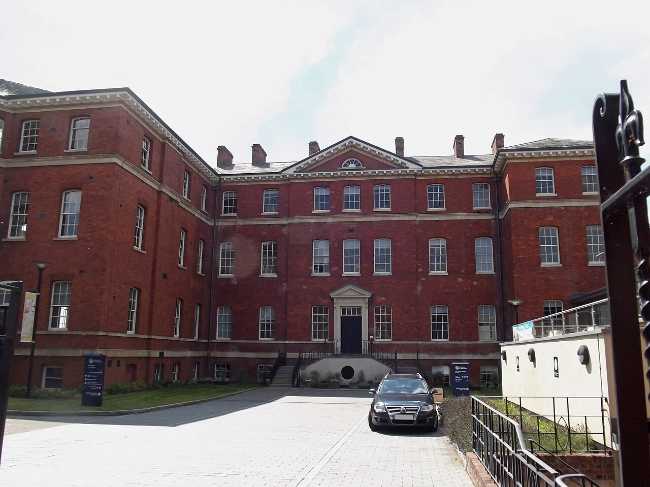
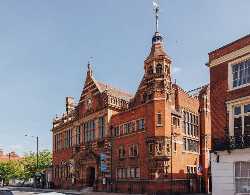
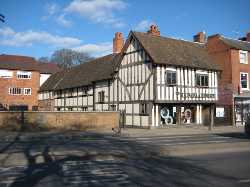
The Infirmary Museum sits on the University of Worcester’s City Campus in the middle of Worcester, at Castle Street, Worcester, WR1 3AS. It’s housed in the historic building that was once the Worcester Royal Infirmary, so you’re right in the heart of the city’s medical past while still being close to everything else. A short walk brings you to Worcester Cathedral, with its soaring architecture and riverside setting. Nearby you’ll also find The Commandery, a fascinating medieval building that tells the story of the English Civil War, and the Museum of Royal Worcester, which celebrates the city’s famous porcelain heritage. Tudor House Museum and Greyfriars House offer more glimpses into everyday life in earlier centuries, while the Worcester City Art Gallery and Museum rounds out a good cultural circuit. If medical history still holds your interest, the George Marshall Medical Museum a little further out at the hospital site adds another layer to the story.
 Museum
 Museum