Laidhay Croft Museum
Laidhay Croft Museum is a beautifully preserved example of a traditional Highland longhouse, offering an intimate glimpse into rural life in Caithness before modern farming transformed the landscape. The croft dates from the 18th century and retains its original layout: a long, low building where people, animals and tools once shared the same roof, separated only by simple partitions. Inside, the rooms are furnished exactly as they would have been in the late 1800s. You can explore the kitchen with its peat‑fired hearth, iron pots and handcrafted utensils, all showing how families cooked, worked and gathered around the fire. The box beds, wooden chests and woven textiles reveal the resourcefulness of crofting households, who relied on local materials and skilled craftsmanship. The byre section is equally atmospheric, with stalls, harnesses and agricultural tools illustrating the close relationship between crofters and their livestock. Outside, the museum’s small collection of machinery and carts highlights the gradual shift from hand labour to mechanised farming. What makes Laidhay especially compelling is its authenticity. Nothing feels staged; instead, the croft offers a quiet, immersive sense of how people lived, worked and adapted to the harsh northern climate.
Dunbeath Scotland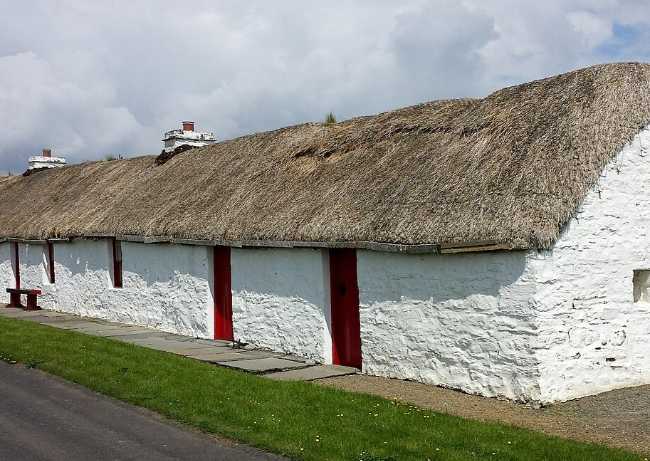
Laidhay Croft Museum is a beautifully preserved example of a traditional Highland longhouse, offering an intimate glimpse into rural life in Caithness before modern farming transformed the landscape. The croft dates from the 18th century and retains its original layout: a long, low building where people, animals and tools once shared the same roof, separated only by simple partitions. Inside, the rooms are furnished exactly as they would have been in the late 1800s. You can explore the kitchen with its peat‑fired hearth, iron pots and handcrafted utensils, all showing how families cooked, worked and gathered around the fire. The box beds, wooden chests and woven textiles reveal the resourcefulness of crofting households, who relied on local materials and skilled craftsmanship. The byre section is equally atmospheric, with stalls, harnesses and agricultural tools illustrating the close relationship between crofters and their livestock. Outside, the museum’s small collection of machinery and carts highlights the gradual shift from hand labour to mechanised farming.