Ardgowan House
Ardgowan House, set near Inverkip on the Firth of Clyde, is one of Scotland’s most elegant 18th‑century estates, still home to the Shaw Stewart family who have lived here for over 600 years. Designed by the celebrated architect Hugh Cairncross, the house blends classical symmetry with a light, refined interior that reflects the tastes of the Enlightenment era. Inside, visitors can explore a series of beautifully preserved rooms. The Drawing Room is a highlight, filled with fine portraits, delicate plasterwork and period furnishings that evoke the social world of Georgian Scotland. The Dining Room showcases ornate table settings and family silver, while the Library holds rare volumes and memorabilia linked to the estate’s long lineage. Ardgowan also has a fascinating wartime story. During the Second World War, the house served as a naval headquarters supporting the Clyde’s strategic operations. Maps, documents and photographs from this period reveal how the estate became part of Britain’s coastal defence network. The house’s collection includes family artefacts, military items, and artworks spanning several centuries, offering a layered narrative of aristocratic life, local history and national events. Outside, the grounds feature sweeping lawns, woodland walks and views across the estuary.
Inverkip Scotland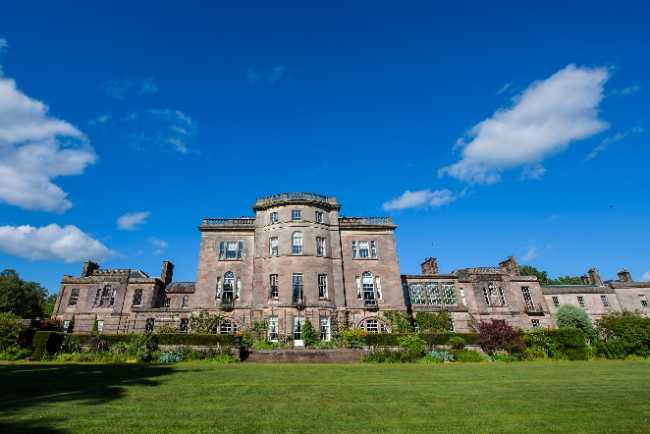
Ardgowan House sits near the village of Inverkip in Inverclyde, on the shores of the Firth of Clyde. You’ll find it on the Ardgowan Estate just outside Inverkip, with the postcode PA16 0DW, a short drive from Greenock and Gourock. It’s a privately owned late 18th-century mansion set in extensive grounds that also include the ruins of the older Ardgowan Castle, also known as Inverkip Castle. The estate looks out over the water and offers a peaceful coastal setting. Nearby you can enjoy Lunderston Bay with its beach and walks, or head into Gourock and Greenock for local history and harbour views. The surrounding area has pleasant coastal paths and easy access to the wider Firth of Clyde scenery. Everything is close enough that you can easily combine a visit to the house and its castle ruins with a stroll by the water and a look around the nearby towns without any rush.