Lochranza Castle
Lochranza Castle stands like a weathered sentinel on the northern tip of the Isle of Arran, its reflection often shimmering in the calm waters of Loch Ranza. Built in the 1200s and later adapted as a fortified residence, it became a strategic stronghold during clan disputes and royal campaigns. One of its most intriguing episodes came in 1614, when the castle was seized during unrest linked to the powerful MacDonalds and Campbells, leaving behind stories of raids and shifting loyalties. Inside, the ruin reveals a compact yet atmospheric layout. You can explore the roofless great hall, where feasts and negotiations once unfolded, and climb the narrow stairways that lead to upper chambers with views across the loch. The tower’s remnants show defensive arrow slits and thick stone walls that hint at its turbulent past. Although unfurnished, the interior’s raw masonry and exposed structure create a vivid sense of medieval life. The castle’s setting is equally compelling: red deer often graze nearby, and the surrounding shoreline offers one of Arran’s most photogenic panoramas.
Lochranza Scotland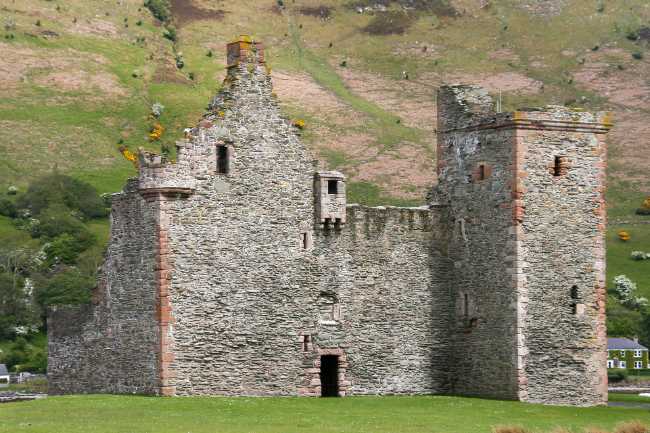
Lochranza Castle sits right on the northern tip of the Isle of Arran in North Ayrshire, Scotland. You’ll find it in the small village of Lochranza itself, on a narrow spit of land that juts out into the calm waters of Loch Ranza. The full address is simply Lochranza, Isle of Arran, KA27 8HL. It’s an easy spot to reach once you’re on the island, just off the main coastal road that loops around Arran. The castle itself is a striking old ruin, originally a 13th-century hall-house that was later turned into a tower house in the 1500s. It stands alone on that little peninsula, looking out over the loch with the hills rising behind the village. Free parking is nearby and it’s only a short walk out to the ruins. Right in the village you’ll find the Isle of Arran Distillery, a short stroll away, where you can tour the place and try their single malt. A bit further afield, about nine or ten miles south, is Brodick Castle and its country park, a grander place with gardens and trails. Across the water on the Kintyre side sits Skipness Castle, another historic ruin you can reach by the short ferry from Lochranza. Goatfell, Arran’s highest peak, is also within easy reach for those who fancy a climb, and the standing stones at Machrie Moor offer a quiet prehistoric stop if you’re heading further down the island. It’s a peaceful corner of Arran that feels a world away yet has plenty of history and scenery packed close together.