Mary Queen of Scots' Visitor Centre
Mary Queen of Scots’ Visitor Centre in Jedburgh offers an intimate look at one of Scotland’s most compelling historical figures. Set inside a 16th‑century tower house where Mary stayed in 1566, the building itself is part of the story: she fell gravely ill here after a demanding ride to Hermitage Castle, an episode that shaped her later political downfall. Inside, the centre presents a series of rooms exploring Mary’s turbulent life. One of the most interesting features is the recreated Queen’s Chamber, arranged to evoke the atmosphere of her brief stay. Portraits, tapestries and period furnishings help visitors imagine the dramatic months when Mary’s reign was unravelling. A highlight is the collection of Mary‑related artefacts, including replicas of her jewellery, personal letters and objects linked to her imprisonment. The exhibition also explains her complex relationships with figures such as Lord Darnley and the Earl of Bothwell, offering clear context for the political crises that followed. The top floor houses displays on Mary’s legacy, from romantic Victorian interpretations to modern historical reassessments. Combined with the building’s creaking stairways and thick stone walls, the centre provides a vivid, atmospheric journey into the life of Scotland’s most mythologised queen.
Jedburgh Scotland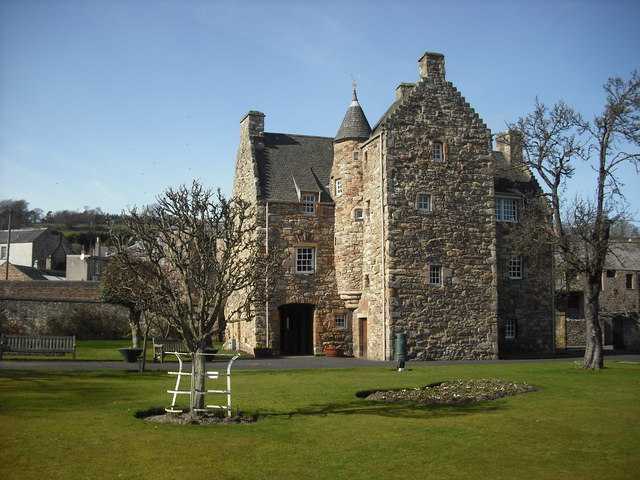
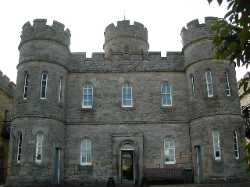
Mary Queen of Scots’ Visitor Centre stands in the heart of Jedburgh in the Scottish Borders. You’ll find it at Queen Street, Jedburgh, TD8 6EN, a 16th-century tower house set in a peaceful garden of pear trees. This is where Scotland’s tragic queen stayed for a month in 1566, a pivotal time in her life, and the house now shares her story through paintings, objects and textiles that bring her dramatic history to life. Just a short stroll away is Jedburgh Abbey, the striking 12th-century ruin that dominates the town centre with its impressive architecture and riverside setting. Nearby you’ll also find Jedburgh Castle Jail and Museum, a 19th-century prison built on the site of the old royal castle, offering a look at both local history and the town’s past. A little further afield lies Hermitage Castle, the remote fortress Mary once rode to in haste, while Floors Castle near Kelso and the ruins of Dryburgh Abbey and Melrose Abbey are all within easy reach for a fuller day of Borders history. The visitor centre itself is free to enter and makes a natural starting point for exploring the area.
 Castle