Jedburgh Castle
Jedburgh Castle Jail and Museum stands on the site of a medieval fortress once fiercely contested by Scots and English armies. The present building, completed in 1823, is a striking example of early‑19th‑century reformist prison design, built to replace the ruined castle that had dominated the town for centuries. Its castellated exterior deliberately echoes the lost stronghold, giving the jail an imposing silhouette on the hill above Jedburgh. Inside, the museum offers a vivid journey through the history of crime and punishment in the Borders. One of the most interesting features is the preserved cell block, where you can step into original stone cells and see how prisoners lived under strict regimes. Exhibits explain the shift from harsh medieval justice to more regulated Victorian systems, with objects such as shackles, uniforms and early surveillance tools. A highlight is the Governor’s Room, furnished to show the daily life of the officials who ran the jail. The courtroom display adds further context, illustrating how offenders were processed before entering the prison. The museum also explores Jedburgh’s turbulent past, including stories of border reivers and the repeated destruction of the earlier castle.
Jedburgh Scotland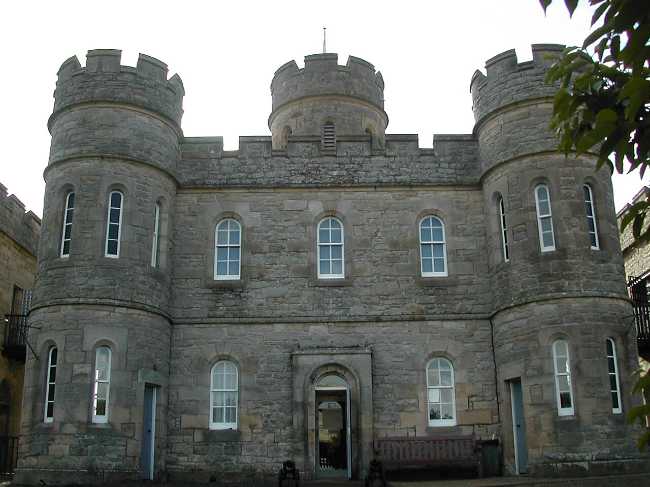
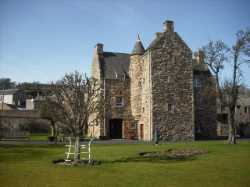
Jedburgh Castle Jail and Museum sits at the top of Castlegate in Jedburgh, Scottish Borders, with the address Castlegate, Jedburgh, TD8 6QD. Built in the 1820s on the site of the town’s medieval castle, it looks like a grand fortress from the outside but was designed as a reform prison. Today visitors can wander the original cell blocks, learn about 19th-century prison life and explore the town museum that tells the story of the Royal Burgh of Jedburgh. Just down the hill is Jedburgh Abbey, the impressive 12th-century ruin that stands as one of the finest Border abbeys. A short walk away you’ll find Mary Queen of Scots’ Visitor Centre, the 16th-century tower house where the queen stayed in 1566. Nearby is Ferniehirst Castle, a historic house with its own Border stories, while the Waterloo Monument on Peniel Heugh offers sweeping views a few miles out. Floors Castle near Kelso and the ruins of Dryburgh Abbey are also within easy reach, making this elevated spot a natural base for exploring the rich history of the Borders.
 Museum