Dunblane Museum
Dunblane Museum, set opposite the cathedral, is a small but richly layered treasure devoted to the town’s long religious and civic history. Founded in 1943, it occupies a group of 17th‑century townhouses whose thick stone walls and timber interiors already feel like part of the collection. One of its most intriguing facts is that the museum grew from a private effort to preserve cathedral artefacts that were at risk of being lost during renovations. Inside, visitors find an unexpectedly varied collection. The ecclesiastical displays include communion cups, vestments, and carved stones linked to Dunblane Cathedral’s medieval past. A highlight is the set of beautifully crafted “Dunblane Silver,” ceremonial pieces made by local smiths that reflect the town’s reputation for fine metalwork. The museum also explores everyday life in Dunblane through domestic objects, tools, and photographs. A charming section is dedicated to local trades, from shoemaking to weaving, showing how the town evolved from a small burgh into a thriving community. Intimate, atmospheric, and full of character, Dunblane Museum offers a quiet but rewarding glimpse into centuries of local heritage.
Dunblane Scotland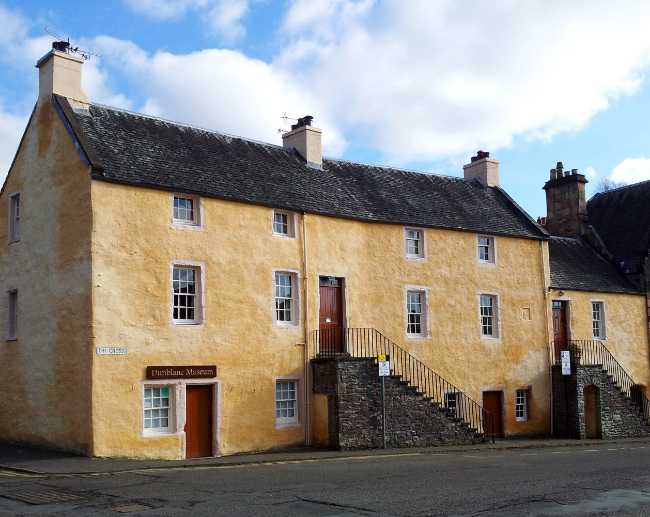
Dunblane Museum sits right in the centre of the small historic town of Dunblane, at The Cross, postcode FK15 0AQ. It’s just a short hop north of Stirling and easy to reach by train or car, with the station only a few minutes’ walk away down the High Street. The museum faces straight across the road from the magnificent Dunblane Cathedral, one of Scotland’s finest surviving medieval churches with its soaring Gothic nave and peaceful atmosphere. Next door you’ll find the Leighton Library, Scotland’s oldest purpose-built independent library, full of rare old books. A short stroll takes you to the ruins of the Bishop’s Palace and the riverside paths along the Allan Water, which make for a pleasant wander through the town. If you fancy stretching your legs a little further, the open moorland at Sheriffmuir lies nearby, scene of the 1715 Jacobite battle. Dunblane itself has a quiet charm, with its old streets, cafés and the occasional nod to local sporting heroes. All in all, the museum makes a gentle stop right in the middle of a cluster of historic churches, libraries and riverside walks.