Linlithgow Palace
Linlithgow Palace, one of Scotland’s great royal residences, stands beside its shimmering loch as a majestic shell of Renaissance architecture. Begun in the 1420s under James I and expanded by successive monarchs, it became a favourite retreat of the Stewart kings. Its most famous moment came in 1542, when Mary, Queen of Scots, was born here—an event that still shapes the palace’s identity. Inside, the palace offers a remarkable sequence of grand spaces. The Great Hall, with its soaring proportions, evokes the splendour of royal feasts and political gatherings. The Chapel Royal, rebuilt by James VI, retains elegant stonework that hints at its former richness. The King’s and Queen’s Apartments, though roofless, preserve fireplaces, window seats and architectural details that reveal how refined court life once was. One of the palace’s most captivating features is the ornate 1538 fountain in the central courtyard, a rare survivor of Renaissance craftsmanship in Scotland. Climbing to the top of Queen Margaret’s Bower rewards visitors with sweeping views over Linlithgow Loch and the surrounding countryside. Even in ruin, Linlithgow Palace remains an atmospheric masterpiece, offering a vivid sense of Scotland’s royal past.
Linlithgow Scotland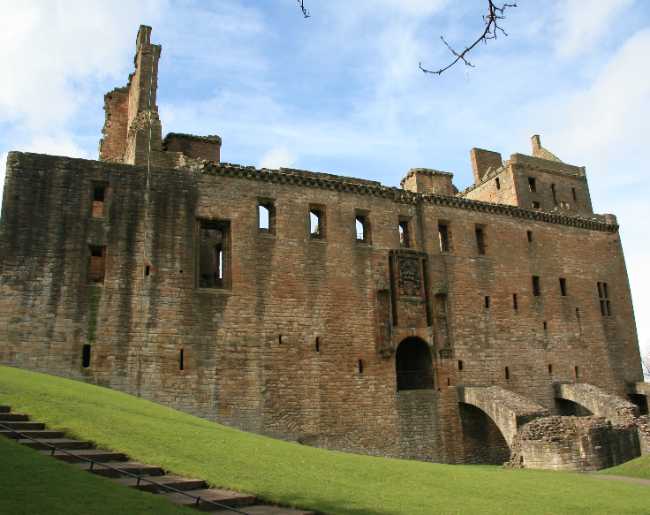
Linlithgow Palace is located in the town of Linlithgow, West Lothian, Scotland. The exact street address for the estate is Kirkgate, Linlithgow, EH49 7AL. Perched beside the peaceful waters of Linlithgow Loch, this grand 15th-century royal residence was the birthplace of Mary, Queen of Scots, and sits within a scenic public parkland area known as the Peel. The local area features many interesting historic attractions and regional landmarks to check out. Directly adjacent to the entry grounds is St Michael's Parish Church, a magnificent medieval building famed for its unique modern crown spire. A quick walk down the High Street brings you to the Linlithgow Museum, which showcases the rich local heritage and community history.Just a short drive northeast along the Firth of Forth sits Blackness Castle, a striking 15th-century coastal fortress built in the shape of a ship. Nearby you can also visit the House of the Binns, a stately 17th-century country house managed by the National Trust for Scotland. Slightly further east lies Hopetoun House, an impressive Georgian stately home surrounded by extensive parklands.
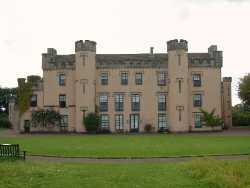 Museum
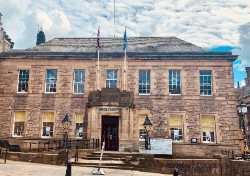 Museum
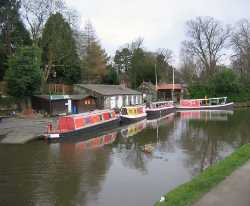 Museum