Carew Castle
Carew Castle is one of the most picturesque historic sites in Pembrokeshire, standing proudly beside a beautiful tidal mill pond. The castle’s story spans more than 2,000 years, beginning with an Iron Age settlement before evolving into a Norman fortress and later a grand Tudor residence. This unique blend of military architecture and elegant domestic design makes Carew one of the most distinctive castles in Wales. As you explore the castle, you will discover impressive stone walls, towers, and gatehouses that reflect centuries of construction and adaptation. One of the most striking features is the magnificent Tudor facade, added in the 16th century, which transformed the medieval stronghold into a luxurious home. Walking through the ruins, visitors can imagine both the defensive role of the castle and the comfortable lifestyle enjoyed by its wealthy owners. Inside the grounds, highlights include the remains of the Great Hall, private chambers, and sections of the medieval kitchens. Information displays reveal stories of the influential families who lived here, as well as the turbulent conflicts that shaped the region. The elevated positions around the castle provide excellent views across the surrounding countryside and the tranquil water below.
Carew Wales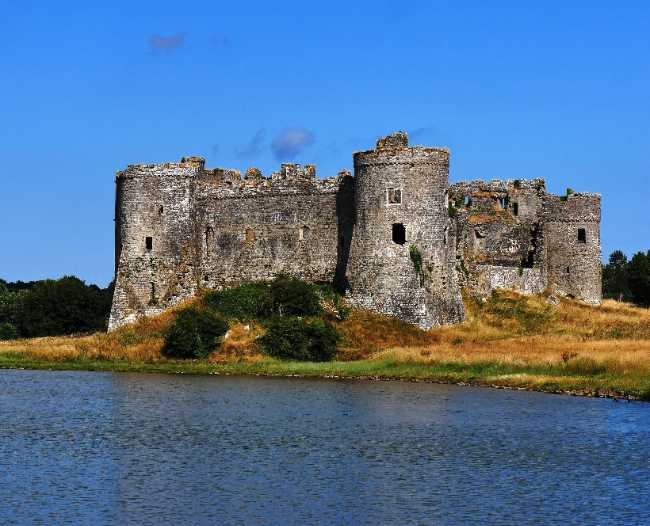
Carew Castle sits in the quiet village of Carew in Pembrokeshire, just a short drive from Tenby and Pembroke. The address is Carew, Tenby, Pembrokeshire, SA70 8SL, right beside a wide and peaceful millpond that makes for some of the prettiest views in the area.The castle itself mixes solid Norman walls with later Elizabethan windows, so it feels like two buildings in one. Right on the same site you’ll find the only restored tidal mill in Wales, still standing by the water, along with an impressive eleventh-century Celtic cross and a medieval bridge. A gentle circular path links everything together and takes you right around the millpond.A few miles away stands Pembroke Castle, the grand birthplace of the Tudor dynasty, while Lamphey Bishop’s Palace offers another set of atmospheric medieval ruins that once served as a country retreat for the bishops of St Davids. The whole stretch of countryside feels rich in history yet never crowded, making it easy to wander between these old stones at your own pace.
 Museum