Cilgerran Castle
Cilgerran Castle is one of the most dramatically situated castles in Wales, standing high above a steep gorge carved by the River Teifi in northern Pembrokeshire. Founded by the Normans in the early 12th century, the fortress occupied a strategically important position controlling a key river crossing and the borderlands between Norman and Welsh territories. Throughout its history, the castle changed hands several times during fierce struggles between Welsh princes and Norman lords. The castle is instantly recognizable for its pair of striking round towers, which dominate the landscape and create one of the most iconic views in West Wales. These towers formed part of a powerful defensive system designed to withstand attack while providing commanding views over the surrounding countryside and river valley. Visitors can explore the remains of the gatehouse, curtain walls, residential quarters, and defensive towers. Climbing the surviving structures offers spectacular views across the wooded Teifi Gorge, an area now renowned for its natural beauty and wildlife. Information panels around the site help bring the castle’s turbulent history to life, explaining its role in medieval warfare and regional politics.
Cilgerran Wales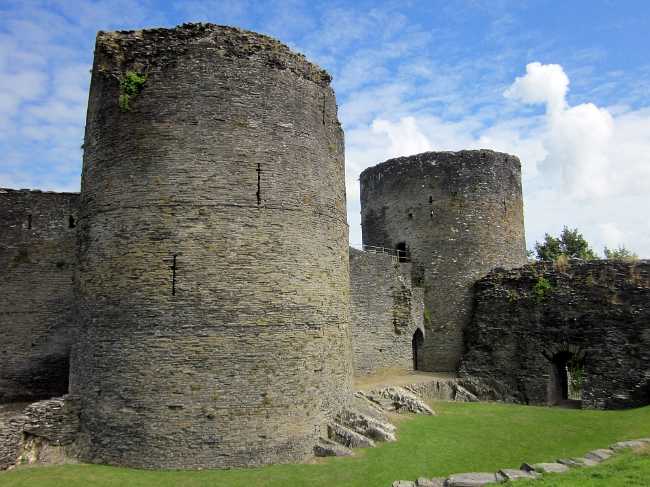
Cilgerran Castle is a striking 13th-century fortress dramatically perched high above the steep Teifi Gorge. The castle is located at Castle Square, Cilgerran, Cardigan, Pembrokeshire, SA43 2SF, Wales, United Kingdom. It sits right in the village of Cilgerran, just south of the town of Cardigan near the Ceredigion border.Because of its location on the edge of northern Pembrokeshire, visiting Cilgerran Castle puts you close to many notable historical and regional attractions. Just down the road lies the Welsh Wildlife Centre and the Teifi Marshes Nature Reserve. A short drive north across the river brings you to Cardigan Castle, the ruined abbey of St Dogmaels, and the historic Guildhall in Cardigan. Heading south or west opens up easy access to the reconstructed Castell Henllys Iron Age Village, the ancient Pentre Ifan Burial Chamber, and the National Wool Museum in the nearby Teifi Valley.