Erddig Hall
Nestled on the edge of Wrexham, Erddig Hall is one of Britain’s finest surviving country houses and a treasure of Welsh heritage. Built between 1684 and 1687 and later expanded in the 18th century, the estate is famous not only for its elegant interiors but also for the extraordinary story of the servants who helped run the house for generations. What makes Erddig truly unique is its remarkable collection of portraits, photographs, and poems dedicated to gardeners, cooks, maids, blacksmiths, and estate workers. While many grand houses focus solely on their wealthy owners, Erddig celebrates the lives of the people who worked behind the scenes, offering a fascinating and unusually personal glimpse into social history. Inside, visitors can explore lavish state rooms filled with original furniture, fine tapestries, porcelain, and decorative artwork that have remained in place for centuries. A standout feature is the magnificent State Bed, richly embroidered and considered one of the finest surviving examples of its kind. The servants’ hall and below-stairs areas are equally captivating, with preserved kitchens, laundries, workshops, and ringing servant bells that bring the daily routines of the estate vividly to life.
Erddig Wales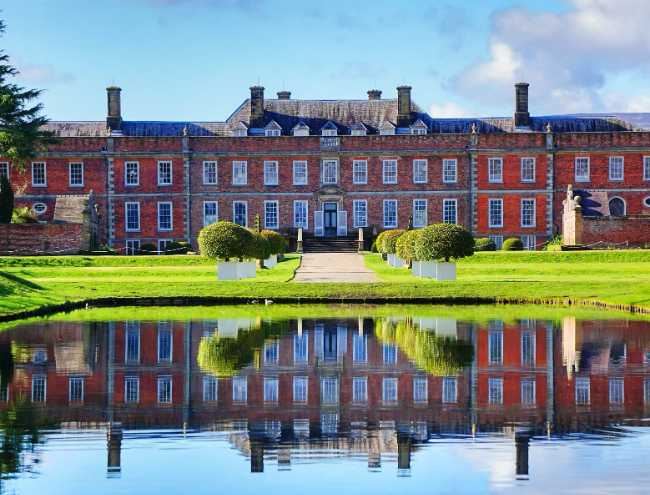
Erddig Hall is a remarkable 18th-century country house that offers a deeply moving and fascinating look into the lives of a gentry family and their domestic servants. Set within 1,200 acres of stunning pleasure grounds, a walled garden, and wooded parkland rising above the Clywedog valley, it provides a wonderful, peaceful escape into rural Welsh history. The estate is located at Erddig, Wrexham, LL13 0YT, Wales, United Kingdom. It sits nestled on the southern outskirts, roughly two miles from the heart of Wrexham town centre. Because of its convenient position in northeast Wales, visiting Erddig places you within easy reach of several prominent historic landmarks and attractions. A short drive south brings you to the magnificent medieval stronghold of Chirk Castle and the picturesque canal town of Llangollen, famous for the Pontcysyllte Aqueduct. Heading north into Wrexham town centre allows you to explore the historic St Giles' Church and Wrexham AFC's famous Racecourse Ground, while traveling a bit further afield opens up access to the historic Roman city walls and cathedral of Chester.