St Asaph Cathedral
Despite its modest size, the cathedral has played a significant role in Welsh religious and cultural life for centuries. Inside, visitors are welcomed by a warm and intimate atmosphere quite different from the vast scale of many English cathedrals. The nave features elegant Gothic architecture, with graceful arches and finely crafted stonework reflecting generations of skilled builders. Beautiful stained-glass windows fill the interior with colour, including impressive modern additions that complement the historic surroundings. One of the cathedral’s most notable connections is with William Morgan, whose Welsh translation of the Bible, published in 1588, helped preserve and strengthen the Welsh language. Visitors can discover displays and memorials celebrating this important achievement in Welsh history. The cathedral also contains a number of fascinating monuments, memorial tablets, and carved details that tell the story of the bishops, clergy, and local people connected to the site over the centuries. The choir is particularly attractive, while the peaceful Lady Chapel offers a quiet place for reflection. Music has long been central to cathedral life, and the impressive organ continues to play an important role in services and concerts.
Saint Asaph Wales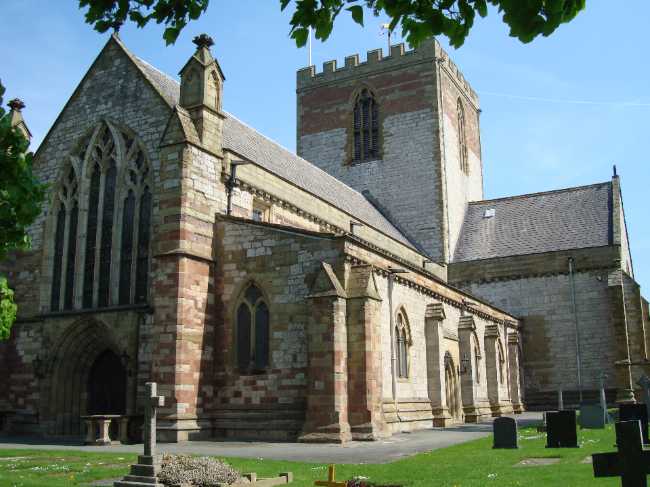
St Asaph Cathedral holds a very special place in Welsh history as the smallest ancient cathedral in Great Britain. Founded back in the sixth century by Saint Kentigern and later named after Saint Asaph, this charming red sandstone building has survived centuries of turbulent border history, including severe damage during royal conflicts and targeted raids. Rebuilt primarily in the fourteenth century with sensitive Victorian restorations, the cathedral is most famous for housing a rare 1588 William Morgan Bible, which was the very first complete translation of the Bible into the Welsh language. Location: Cathedral Office, High Street, St Asaph, LL17 0RD, Denbighshire, Wales, United Kingdom. It sits right at the top of the High Street on a gentle hill overlooking the scenic Vale of Clwyd and the River Elwy. Because of its prime setting in Denbighshire, visiting the cathedral places you close to a wonderful collection of historic castles, historic homes, and natural landmarks. Just a few miles down the road lies the medieval ruin of Rhuddlan Castle, an impressive fortress built by Edward I, as well as the grand seventeenth-century estate of Bodrhyddan Hall with its classic gardens. Heading slightly further into the surrounding countryside brings you to the striking ruins of Denbigh Castle, the scenic cascade at Dyserth Waterfall, and the ancient market towns of the Clwydian Range.