Heage Windmill
A visit to Heage Windmill offers far more than a glimpse of its striking exterior. Guided tours take visitors through the historic interior, where beautifully restored wooden machinery, gears, shafts, and millstones reveal how grain was transformed into flour over two centuries ago. The steep stairways lead through several levels of the mill, each demonstrating a different stage of the milling process and providing fascinating insight into the life of a traditional miller. One of the most interesting features is the windmill’s unusual six sails. Most English windmills have four, but Heage gained six sails after a major storm in 1894, giving it greater power and making it unique among surviving working mills. On windy days, visitors can even watch the machinery operating and flour being produced just as it was in the nineteenth century. The undercroft contains displays explaining the mill’s history and restoration, while a virtual tour allows those unable to climb the stairs to explore the upper levels. Outside, spectacular views stretch across the Derbyshire countryside towards the Derwent Valley, making the site a rewarding destination even before stepping inside.
Heage United Kingdom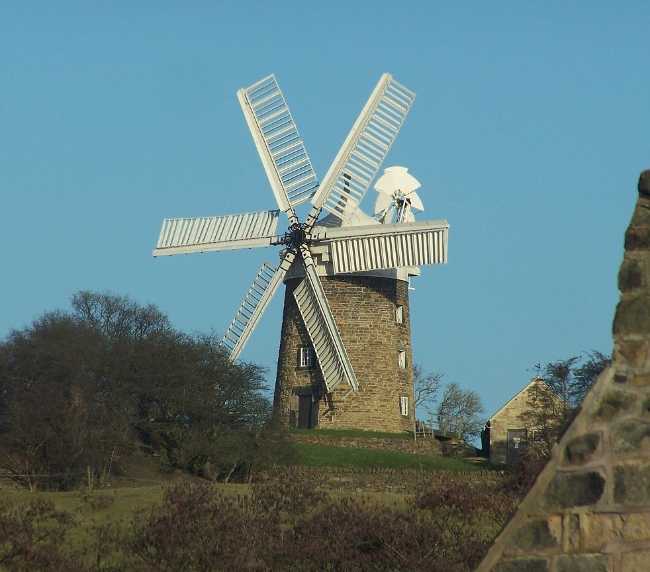
Heage Windmill stands in the quiet Derbyshire village of Heage, just outside Belper. You’ll find it on Chesterfield Road, Heage, Belper, DE56 2BH, set on a gentle rise with open views across the surrounding countryside.This is the only working six-sailed stone tower windmill left in England. Built in the late 1700s and carefully restored, it still grinds flour when the wind is right, and guided tours take you up through the wooden machinery and out onto the viewing platforms.From the mill you can look out over the Derwent Valley Mills World Heritage Site, a stretch of early industrial landscape that includes the historic mills at Belper and Cromford. A short drive brings you to Crich Tramway Village, home to the National Tramway Museum, where you can ride vintage trams through a recreated period street. Nearby Kedleston Hall offers grand Georgian architecture and parkland, while further along the valley the Heights of Abraham at Matlock Bath give cable-car rides and underground caverns. Wingfield Manor, a striking ruined great house, sits not far away and makes a good contrast to the working mill.