Pitstone Windmill
Believed to date from the early seventeenth century, it has stood for over 350 years, making it one of the most important historic windmills in the country. Unlike later tower mills, Pitstone Windmill is built around a massive central wooden post. This ingenious design allowed the entire body of the mill to be turned to face the wind, ensuring the sails could capture maximum power. The mill’s age and largely original construction make it a rare survivor of early milling technology, attracting historians, engineers, and heritage enthusiasts alike. Inside, visitors can explore the compact but fascinating interior, where centuries-old mechanisms reveal how grain was transformed into flour. The wooden gears, shafts, and millstones demonstrate the craftsmanship of early millwrights, who relied on simple materials and practical ingenuity to create highly effective machinery. Many of the original features remain visible, offering an authentic connection to the working life of past generations. One of the most interesting aspects of a visit is seeing how every part of the mill was carefully designed to operate within a relatively small space. Informative displays explain the milling process, the role of the miller, and the challenges of maintaining a wind-powered business in changing weather conditions.
Pitstone United Kingdom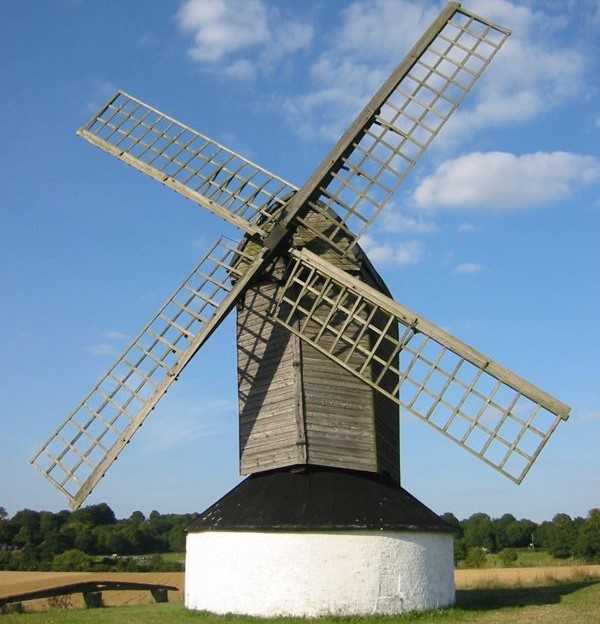
Pitstone Windmill stands in open countryside near the villages of Pitstone and Ivinghoe in Buckinghamshire. You’ll find it at Ivinghoe, Buckinghamshire, LU7 9ER, a short walk from a small car park on the B488 and within easy reach of the Chiltern Hills.This is one of the oldest surviving post mills in Britain, with the date 1627 carved into its framework. The whole upper body turns on a central post so the four sails can face the wind. It belongs to the National Trust and has been carefully restored, offering a rare chance to step inside an early form of windmill and see how grain was once ground.A short climb from the mill takes you up to Ivinghoe Beacon, the northern end of the Ridgeway with sweeping views across the Chilterns. Nearby lies the Ashridge Estate, with its woodlands, downs and walking trails. In Pitstone itself you can visit Pitstone Green Museum, which explores local rural life and industry. A little further afield is the Natural History Museum at Tring, home to a remarkable collection of stuffed animals, while Berkhamsted Castle offers the remains of a Norman motte-and-bailey fortress set in peaceful grounds.