Sheffield Botanical Gardens
Opened in 1836, the gardens cover 19 acres and were designed in a picturesque style that combines sweeping lawns, winding paths, ornamental lakes, and beautifully landscaped borders. The most striking feature is the Grade II* listed Glass Pavilions. These restored Victorian glasshouses contain a fascinating range of plants from different climatic regions. Inside, visitors can explore tropical displays filled with exotic foliage, colourful flowering plants, cacti, succulents, and rare species that thrive in carefully controlled environments. The pavilions are among the finest surviving examples of curvilinear glasshouse architecture in Britain. Beyond the glasshouses, there is plenty to discover. The Rose Garden bursts into colour during summer, while the Rock and Water Garden creates a peaceful retreat with ponds and carefully arranged alpine plants. Seasonal borders provide ever-changing displays throughout the year, from spring bulbs and rhododendrons to vibrant autumn foliage. Interesting facts add to the appeal. The gardens originally helped introduce visitors to exotic plants gathered from across the British Empire, reflecting Victorian fascination with botany and exploration. Many of the mature trees found today have stood for generations, creating a rich habitat for birds and wildlife within the city.
Sheffield United Kingdom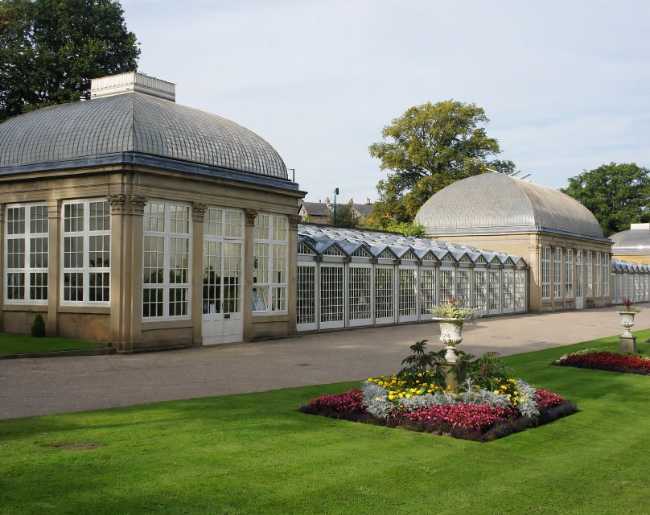
Sheffield Botanical Gardens is a glorious nineteen-acre Victorian haven of greenery and heritage, located just west of Sheffield’s vibrant city center. Opened in 1836 and designed by Robert Marnock, this Grade II* listed landmark features winding paths, lush themed gardens, and a collection of over 5,000 plant species from around the globe. Location: Clarkehouse Road, Broomhall, Sheffield, S10 2LN, South Yorkshire, England, United Kingdom. The main entrance sits along Clarkehouse Road, with secondary entrances off Thompson Road and Botanical Road. Because of its central setting in Sheffield, visiting the botanical gardens places you close to a wide range of vibrant cultural attractions and scenic green spaces. A short walk brings you to the Weston Park Museum and the nearby Millennium Gallery in the city center, which showcase regional history, metalwork, and fine art. Nearby, you can also explore the historic Endcliffe Park, the bustling indie shops and cafes along Ecclesall Road, or take a short drive to the historic Manor Lodge ruins. Heading slightly further southwest leads directly into the spectacular Peak District National Park, home to historic grand estates like Chatsworth House and Haddon Hall.
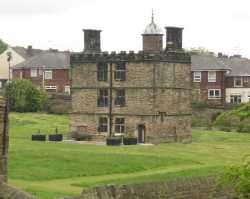 Manor House
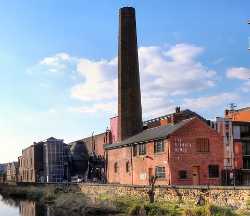 Museum
 Museum
 Museum
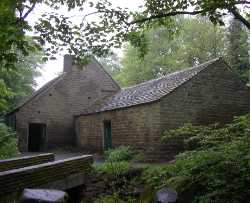 Museum
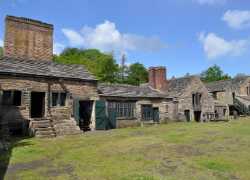 Museum
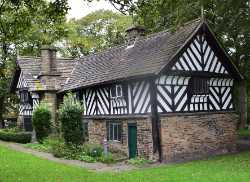 Museum
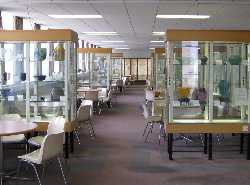 Museum