Ness Botanic Gardens
Managed by the University of Liverpool, the 64-acre site was created from the private garden of Arthur Kilpin Bulley, a wealthy shipping merchant and passionate plant collector. Visitors are greeted by an extraordinary variety of plants from across the globe. The gardens are especially celebrated for their remarkable collections of rhododendrons, azaleas, magnolias, and camellias, which create spectacular displays in spring. Throughout the year, colourful herbaceous borders, woodland walks, and expansive lawns provide ever-changing scenery and countless photographic opportunities. One of the most fascinating areas is the Rock Garden, where alpine plants from mountainous regions thrive among carefully arranged stone features. The Water Garden offers a tranquil setting with ponds and aquatic plants, while the Pinetum contains an impressive collection of conifers from different continents. The gardens are also home to a diverse range of rare trees, some of which are among the largest and oldest specimens in the region. The visitor centre and glasshouse displays showcase plants from warmer climates, including exotic species that would not survive outdoors in Britain. Educational displays help explain the importance of plant conservation, biodiversity, and scientific research.
Little Neston United Kingdom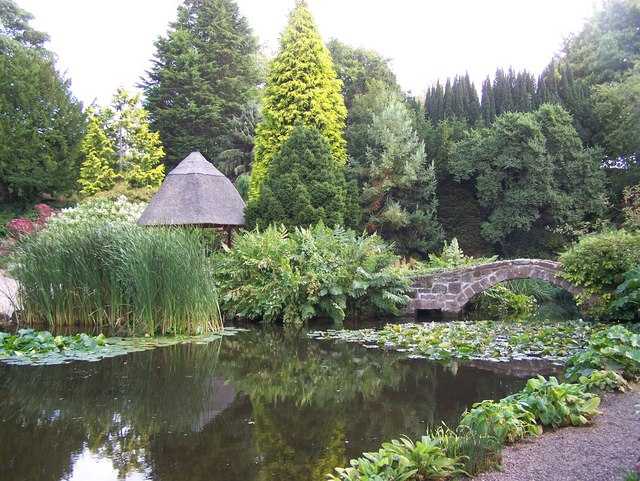
Ness Botanic Gardens is a breathtaking sixty-four-acre sanctuary overlooking the Dee Estuary, blending rich botanical heritage with stunning natural views. Founded in 1898 by Arthur Kilpin Bulley, a passionate Liverpool cotton merchant and plant collector who sponsored plant-hunting expeditions across the Himalayas and China, the gardens were later gifted to the University of Liverpool in 1948. Location: University of Liverpool, Neston Road, Ness, Neston, CH64 4AY, Cheshire, England, United Kingdom. It is situated on the Wirral Peninsula, just south of Neston overlooking the River Dee. Because of its setting on the Wirral Peninsula in Cheshire, visiting Ness Botanic Gardens puts you close to a wonderful mix of historic estates, coastal reserves, and medieval landmarks. A short drive takes you to the historic Port Sunlight Village, home to the Lady Lever Art Gallery, or to the Burton Mere Wetlands nature reserve. Heading slightly south across the border into North Wales leads to Flint Castle, Hawarden Old Castle, and St Winefride's Well, while heading east brings you straight into the historic walled city of Chester to explore Chester Cathedral, the Roman Amphitheatre, and Chester Castle.