Weikersheim Palace
Weikersheim Palace is one of the most beautiful Renaissance residences in Germany. Originally a medieval castle and ancestral seat of the House of Hohenlohe, it was transformed into a magnificent palace at the end of the 16th century and later enhanced with elegant Baroque additions. The palace's greatest interior treasure is the spectacular Knights’ Hall (Rittersaal), regarded as one of the finest Renaissance halls in southwestern Germany. Dating from around 1600, the hall features a richly decorated wooden ceiling adorned with colourful hunting scenes and remarkable plaster sculptures of animals, including a famous life-sized elephant that never fails to surprise visitors. Other highlights inside include the beautifully furnished state apartments, the delicate Mirror Cabinet, and numerous historic rooms that reveal how generations of noble families lived. Much of the original decoration has survived, allowing visitors to experience the atmosphere of a genuine Renaissance court. Outside, the palace garden is every bit as impressive as the residence itself. Designed in the Baroque style, it stretches behind the palace and is filled with fountains, terraces, ornamental flower beds, and over one hundred statues. The most famous figures are the whimsical Weikersheim Dwarfs, unique sculptures said to represent members of Count Carl Ludwig’s court.
Weikersheim Germany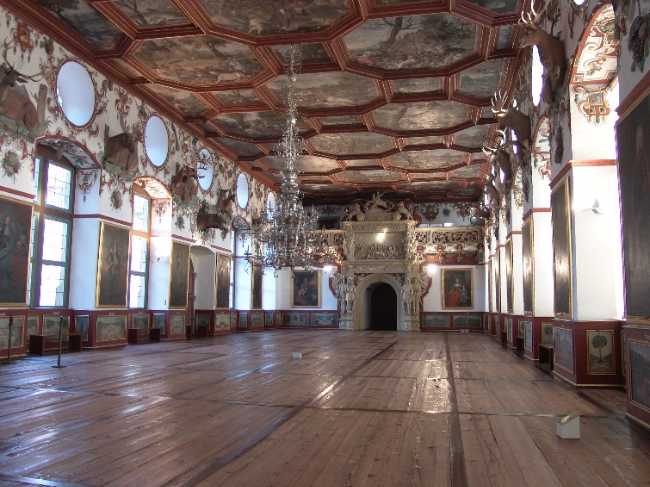
Weikersheim Palace is a magnificent Renaissance residence situated in the Tauber River valley, famous for its remarkably preserved historic interiors and grand outdoor grounds. Originally founded as a medieval moated stronghold in the twelfth century, the castle was grandly rebuilt starting in 1595 by Count Wolfgang II of Hohenlohe into a majestic Renaissance seat. Location: Marktplatz 11, 97990 Weikersheim, Baden-Württemberg, Germany. It sits right at the edge of the historic market square in the town of Weikersheim along the famous Romantic Road itinerary. Because of its location along the scenic Tauber Valley, visiting Weikersheim Palace puts you close to a wonderful collection of historic wine villages, medieval strongholds, and regional museums. Steps away in the town center lies the historic Marktplatz, the Tauberländer Dorfmuseum, and the Gänsturm, a preserved Gothic gate tower housing local history exhibits. A short drive down the valley brings you to Bad Mergentheim to explore the grand Deutschordenschloss (Castle of the Teutonic Order) and its museum, as well as the historic town of Röttingen with its medieval walls and Brattenstein Castle. Slightly further south in Creglingen, visitors can admire the famous medieval wooden altar by Tilman Riemenschneider inside the Herrgottskirche.