Alamannenmuseum Ellwangen
Located in the historic town of Ellwangen, the Alamannenmuseum Ellwangen offers one of the most comprehensive insights into the world of the Alamanni, the Germanic people who lived in southwestern Germany during the early Middle Ages. Housed in a former charitable institution, the museum presents the fascinating story of a culture that helped shape the region after the decline of the Roman Empire. The museum is particularly renowned for its archaeological finds from nearby Lauchheim, one of the most important early medieval excavation sites in Germany. Discoveries from a large Alamannic cemetery and settlement have revealed extraordinary details about daily life more than 1,300 years ago. Through original artifacts and carefully reconstructed scenes, visitors can explore how people lived, worked, worshipped, and buried their dead. Among the highlights are beautifully crafted pieces of jewelry, finely decorated weapons, belt buckles, ceramics, and household objects. These treasures demonstrate the remarkable skill of Alamannic goldsmiths, silversmiths, and craftsmen. Exhibitions also examine weaving, woodworking, trade, and the gradual spread of Christianity throughout the region.
Ellwangen Germany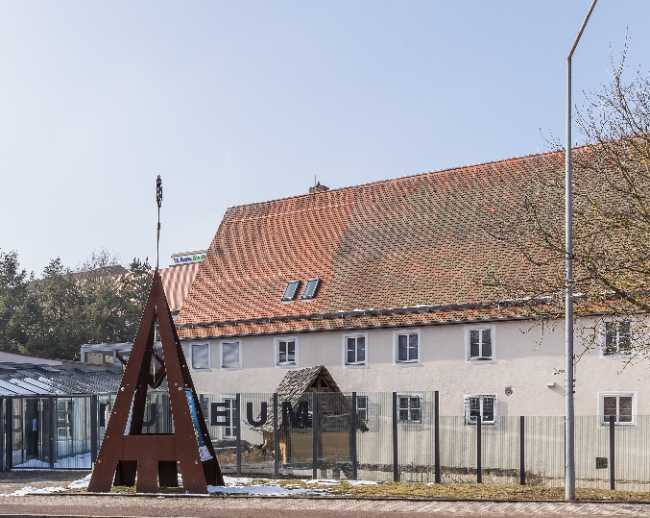
The Alamannenmuseum Ellwangen is a fascinating archaeological venue dedicated to the culture and history of the Alemanni, a Germanic tribal confederation that inhabited southwestern Germany between the third and eighth centuries AD. Location: Alamannenmuseum Ellwangen, Haller Straße 9, 73479 Ellwangen (Jagst), Baden-Württemberg, Germany. It sits just west of the historic city center near the Jagst River. Because of its setting in the historic town of Ellwangen, visiting the Alamannenmuseum places you close to a wonderful collection of religious monuments, regional museums, and hilltop landmarks. A short walk across the river leads into the old town center to admire the grand Basilica of St. Vitus on the market square, along with the former Prince-Provostry Palace. Overlooking the town on a scenic hilltop stands the impressive Schloss Obereichenbach estate and the magnificent Baroque Schönenberg Pilgrimage Church. A short drive away brings you to the Roman frontier history at the Limesmuseum Aalen, the historic dinosaur and fossil exhibits at the Urweltmuseum Aalen, and the picturesque medieval streets of Schwäbisch Hall.