Imperial Castle of Nuremberg
Rising above the medieval old town of Nuremberg, the Imperial Castle (Kaiserburg) is one of Germany’s most important historic fortresses and one of the most significant surviving imperial residences of the Holy Roman Empire. For centuries, German kings and emperors stayed here, making the castle a center of political power and a symbol of imperial authority. Dating back to the 11th century, the castle complex combines Romanesque, Gothic, and later architectural styles. Its commanding position on a sandstone ridge offers spectacular views across Nuremberg’s red-roofed old town and the surrounding Franconian landscape. One of the most fascinating features is the Sinwell Tower, a massive round keep from the 13th century. Visitors who climb to the top are rewarded with panoramic views of the city. Equally impressive is the Deep Well, which descends around 50 meters into the sandstone beneath the fortress and once guaranteed the castle’s water supply during sieges. Demonstrations reveal the astonishing depth of this medieval engineering achievement.
Nürnberg Germany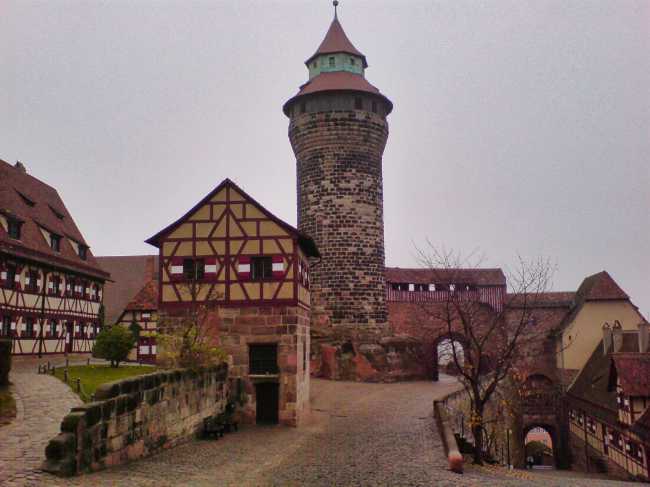
The Imperial Castle of Nuremberg, or Kaiserburg Nürnberg, is an imposing medieval fortress that towers over the city from a dramatic sandstone ridge. Serving as one of the most important fortified royal palaces of the Holy Roman Empire, it hosted every emperor between 1050 and 1571 during their regional visits. Location: Burg 17, 90403 Nürnberg, Bavaria, Germany. It is situated at the highest point of Nuremberg's historic Old Town. Because of its central location at the top of the Old Town, visiting the Imperial Castle places you steps away from renowned cultural institutions and historic landmarks. Just below the castle gates lies Albrecht Dürer's House, the preserved timber-framed residence of the famed Renaissance artist, along with the scenic Tiergärtnertorplatz square. A short walk leads to the historic Toy Museum, the Gothic St. Sebaldus Church, and the historic half-timbered houses along Weißgerbergasse. Crossing the Pegnitz River brings you to the Hauptmarkt square with its ornate Schöner Brunnen fountain, the imposing St. Lorenz Church, and the expansive Germanisches Nationalmuseum, Germany's largest museum of cultural history.
 Museum
 Museum
 Museum
 Museum
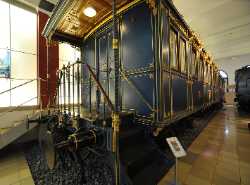 Museum