Germanisches Nationalmuseum
Located in the heart of Nuremberg, the Germanisches Nationalmuseum is the largest museum of cultural history in the German-speaking world and one of Germany’s most important museums. Founded in 1852, it houses an extraordinary collection that spans around 600,000 years of art, culture, science, and everyday life, offering visitors a fascinating journey through the history of Central Europe. One of the museum’s greatest treasures is the famous Behaim Globe, created in 1492. Often regarded as the world’s oldest surviving terrestrial globe, it was made just before Columbus’s voyages transformed European understanding of the world and is now recognized as UNESCO documentary heritage. The museum’s collections are remarkably diverse. Visitors can admire masterpieces of medieval and Renaissance art, historic sculptures, paintings, armor, furniture, jewelry, scientific instruments, musical instruments, textiles, toys, and decorative arts. The museum also preserves important works connected to the famous Nuremberg artist Albrecht Dürer, making it a major destination for art lovers.
Nürnberg Germany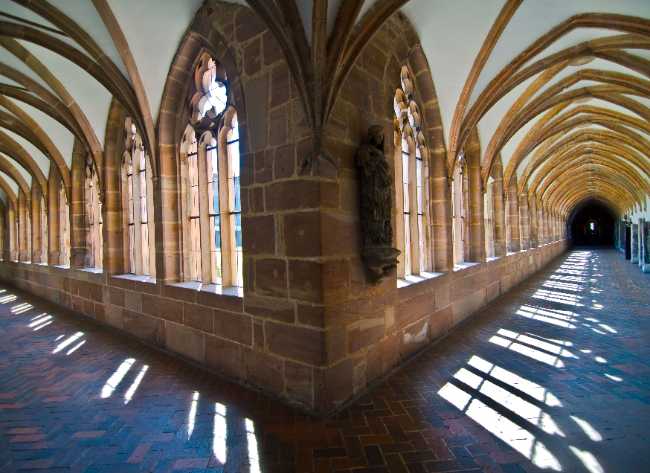
The Germanisches Nationalmuseum stands in the heart of Nuremberg’s old town in Franconia, Bavaria. The address is Kartäusergasse 1, 90402 Nürnberg.This is the largest museum of cultural history in the German-speaking world, with collections that stretch from prehistoric times through the Middle Ages to modern design. Inside you will find paintings by Dürer, sculptures by Riemenschneider, historical instruments, weapons, toys and everyday objects that tell the story of German culture across the centuries.Right outside the entrance runs the Way of Human Rights, a striking modern installation of pillars. A short walk brings you to the soaring St. Lorenz Church, while the Imperial Castle high above the old town and the Albrecht Dürer House are also within easy reach. The nearby DB Museum adds another layer of local history for anyone exploring Nuremberg’s rich heritage.
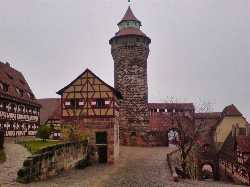 Castle
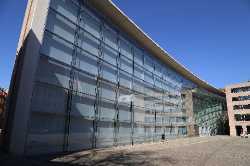 Museum
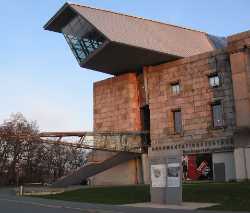 Museum
 Museum
 Museum