Otford Palace
Otford Palace is a remarkable fragment of Tudor history set in the heart of the Darent Valley, where the remains of what was once one of England’s grandest archiepiscopal residences still shape the landscape. Built and expanded by successive Archbishops of Canterbury, the palace reached its height under Archbishop Warham in the early 16th century, when its scale rivalled Hampton Court. Today, the surviving North Range and the striking octagonal tower hint at the splendour of the original complex, their weathered stone and brickwork standing quietly beside village greens and footpaths. The site’s open setting allows visitors to imagine the vast courtyards, halls, and gardens that once filled the area, creating a powerful sense of continuity between past and present. Otford Palace remains an evocative landmark where local life and deep history meet.
Sevenoaks United Kingdom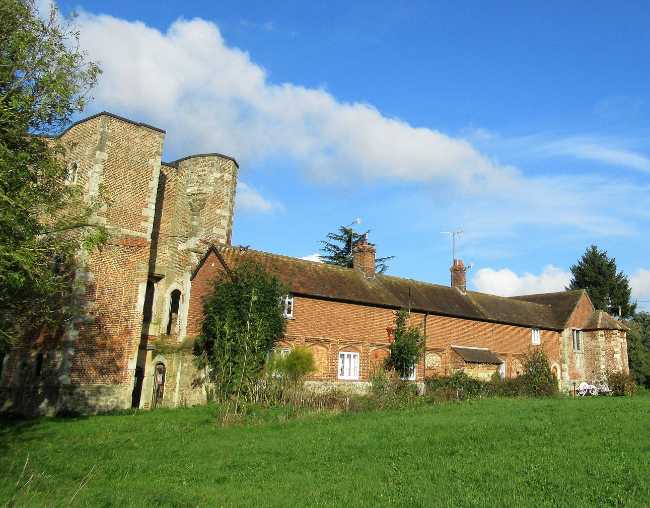
Otford Palace, also known as the Archbishop’s Palace, is located in the village of Otford in the Sevenoaks District of Kent, England. The Tudor ruins sit on Palace Field beside the River Darent, within easy walking distance of Otford’s village centre and duck pond. The surrounding area blends history, countryside, and family attractions. In Otford village you’ll find the 12th-century Church of St Bartholomew with its Tudor Easter sepulchre featuring Katherine of Aragon’s pomegranate badge, Otford Heritage Centre, and a unique scale model of the Solar System running through the streets. The village duck pond, one-way system, and Otford War Memorial create a picturesque focal point, with tea rooms, pubs, and the Otford Antiques & Collectors Centre clustered nearby. Within a few miles are major heritage sites. Lullingstone Country Park offers ancient oaks, chalk grassland, a visitor centre and riverside walks, while Lullingstone Castle & The World Garden displays a map-shaped global plant collection in an 18th-century walled garden. Lullingstone Roman Villa has well-preserved mosaic floors and wall paintings. Ightham Mote, a 14th-century moated manor house, sits in 202 hectares of gardens, woodland and lakes famed for spring bluebells. Eynsford Castle ruins and the traditional Eynsford Ford and Bridge reflect centuries of history along the Darent Valley.
 Palace
 Castle
 Manor
Manor